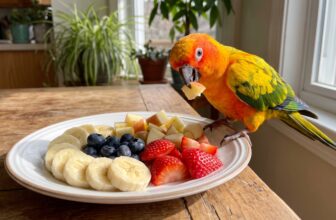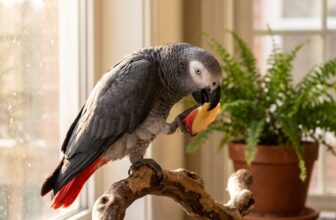

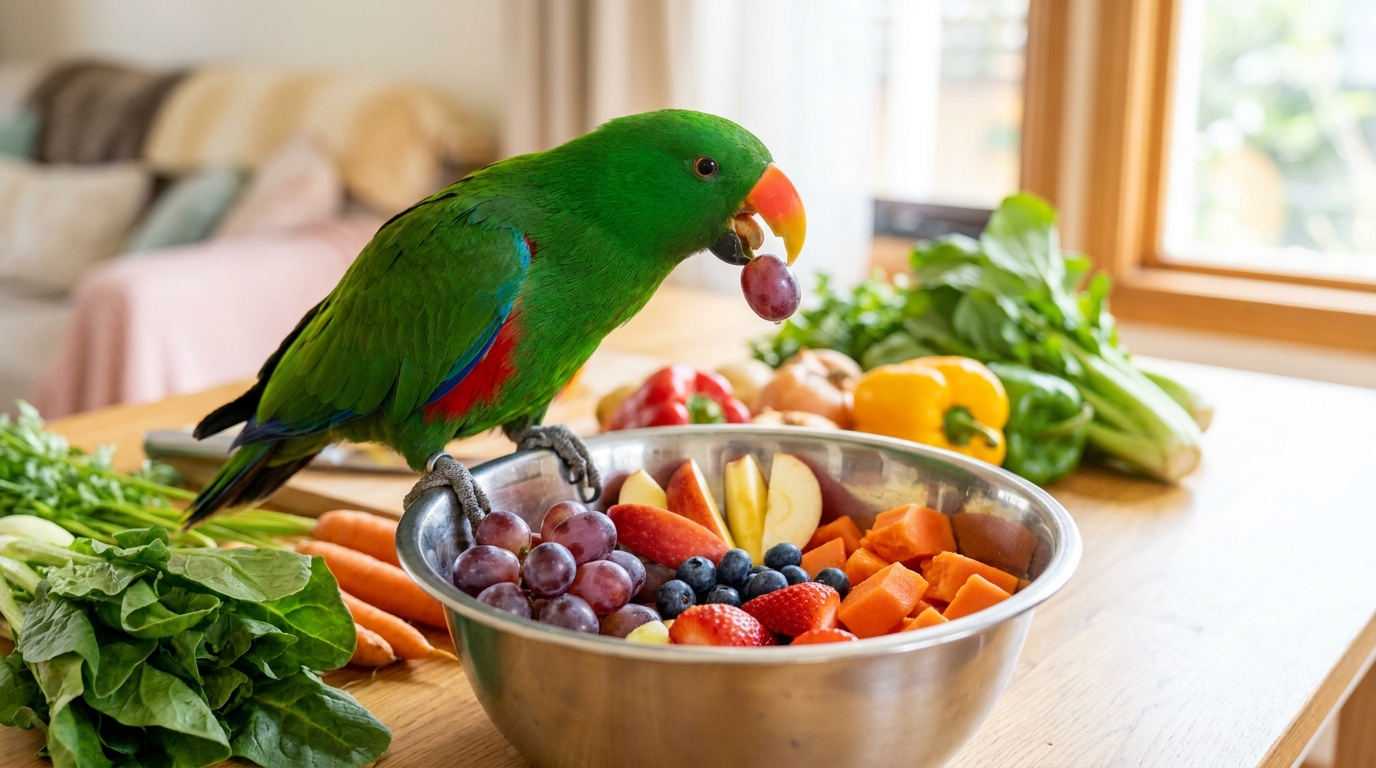
Grapes seem to have a way of getting a parrot’s attention. Open the fridge, rinse off a handful, and somehow your bird already knows something good is about to happen.
The answer is simple—yes, parrots can eat grapes. They’re soft, juicy, and easy to eat, so it’s no surprise they’re a favorite in many homes.
The only catch is that grapes are meant to be a treat, not the main event. A couple of grapes shared once in a while can be part of a healthy diet, but your parrot still needs plenty of vegetables, quality pellets, and a good mix of other fresh foods.
Are Grapes Safe for Parrots?
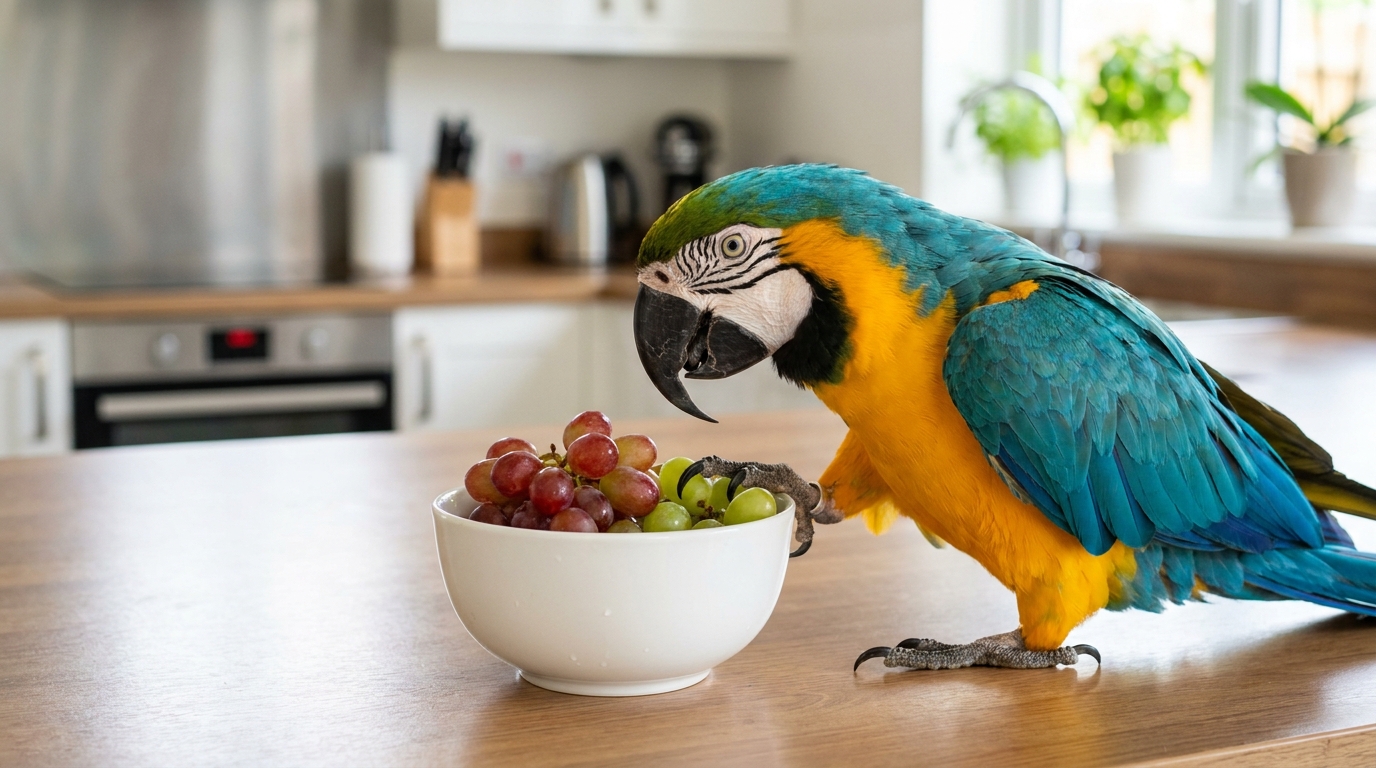
Every parrot seems to have that one food they’ll drop everything for. In my experience, grapes are high on that list. They’re soft, easy to eat, and just sweet enough to make most birds light up the moment they see one.
The nice thing about grapes is that they don’t need much preparation. A quick rinse, a few small pieces if you’re feeding a smaller bird, and they’re ready to go. Nothing fancy.
What I try not to do is let grapes become an everyday habit. It doesn’t take long for a clever parrot to figure out which foods it likes best. Offer grapes too often, and don’t be surprised if your bird starts picking around the vegetables, waiting for something sweeter to show up.
Mixing a grape or two into a bowl of fresh foods has always felt like the better balance. My birds still get something they enjoy, but they don’t forget that carrots, leafy greens, peppers, and pellets belong on the menu too.
Fresh grapes fit nicely into a healthy diet. They just don’t need to be the biggest part of it.
Nutritional Benefits of Grapes
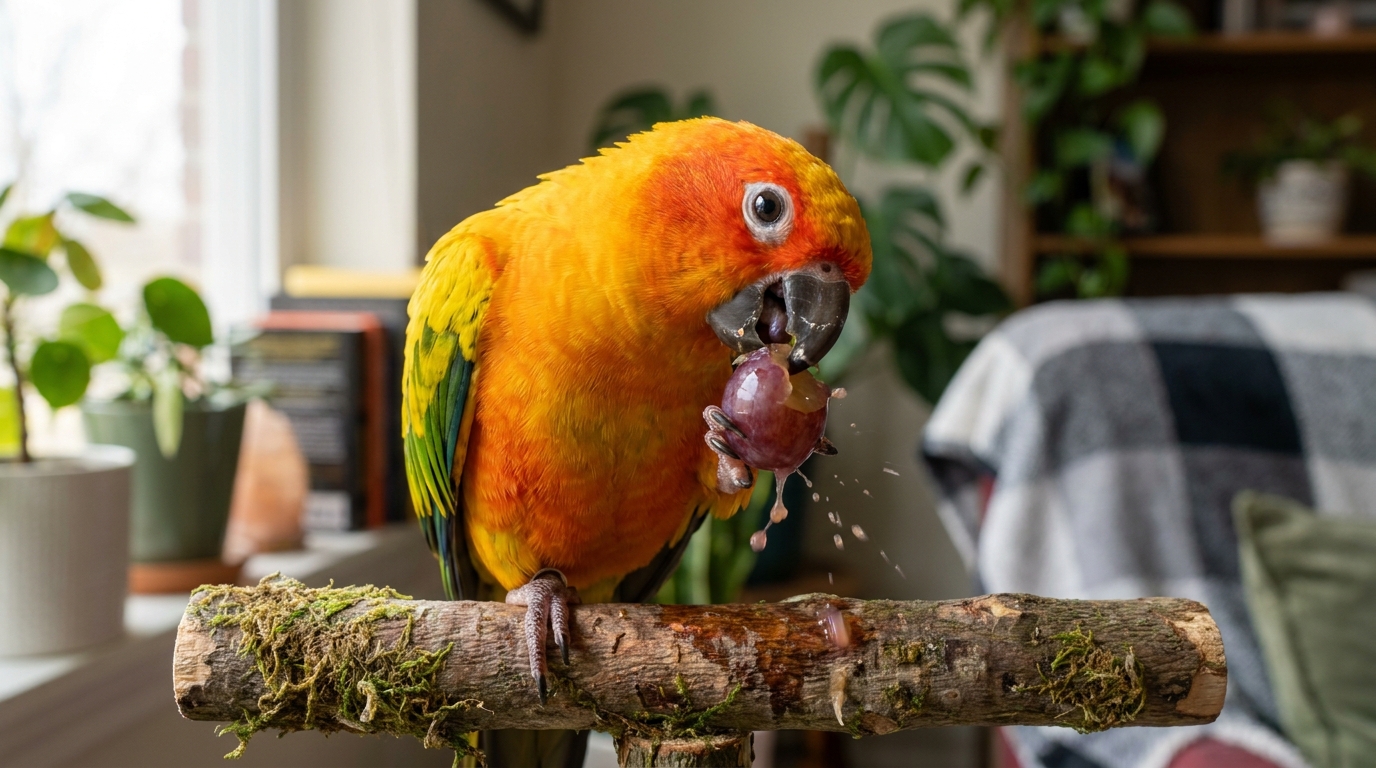
Grapes may be small, but they’re packed with a surprising amount of goodness. One of the first things you’ll notice is how juicy they are. That extra moisture can be a nice bonus, especially during warmer weather when some parrots aren’t as interested in drinking from their water bowl.
They also contain vitamin C and vitamin K, along with small amounts of potassium and other nutrients that help support normal body functions. Grapes aren’t a superfood, and they won’t magically make your parrot healthier overnight, but they do make a nutritious addition to a varied diet.
Another reason I like offering grapes now and then is their natural antioxidants. These plant compounds help protect cells from everyday damage caused by oxidation. While most owners won’t notice that benefit just by looking at their bird, it’s one more reason fresh fruit has a place in a balanced diet.
What I enjoy most is how easy grapes are to add to a meal. They pair well with chopped vegetables, leafy greens, and other bird-safe fruits, so it’s simple to add a little variety without changing your parrot’s routine too much.
No single fruit can provide everything a parrot needs, and grapes are no exception. They’re simply one healthy option among many. Rotate them with other fresh foods, and your bird gets a much wider range of nutrients over time.
Can Parrots Eat Grape Seeds and Grape Skins?
Grape skins have never been something I’ve worried about. Most parrots chew right through them without a second thought, and mine have always eaten the whole grape rather than peeling it apart. A good rinse under running water has simply become part of my routine before any fresh fruit goes into the food bowl.
Seeded grapes are a different story. Grape seeds aren’t known to be toxic to parrots the way apple seeds are, but I still take them out whenever I buy grapes with seeds. It only takes a minute, and I’d rather spend that extra minute than wonder whether a small bird might have trouble with one.
These days, seedless grapes are easy to find in almost every grocery store, so that’s usually what comes home with me. They’re convenient, there’s less prep, and everybody gets to the fun part a little sooner.
Watching a parrot eat a grape is entertaining on its own. Some birds finish every bite, while others squash the grape until juice ends up on the perch, the food bowl, and somehow even the wall behind the cage. Cleaning up the mess becomes part of the routine, but that’s a small price to pay for seeing them enjoy a fresh treat.
How Many Grapes Should a Parrot Eat?
The hardest part about feeding grapes isn’t convincing a parrot to eat them—it’s knowing when to stop. Most birds would happily reach for another one the second the first grape is gone.
Around here, grapes have always been treated as a little extra, not the main course. A Budgie or Lovebird does perfectly well with a single grape cut into smaller pieces. Cockatiels and Conures usually enjoy one or two. Larger parrots, like African Greys, Amazons, or Macaws, can have a couple more without any fuss.
Nobody needs a bowl full of grapes. Fresh vegetables, pellets, sprouts, and other fruits still deserve most of the space at mealtime. Grapes simply add a bit of variety, and that’s really where they shine.
The same goes for how often they’re served. A few grapes once or twice a week has always felt about right. By the next fruit day, there’s something different waiting in the bowl—maybe blueberries, apple slices, or a bit of papaya. Changing things up keeps mealtime interesting, and my birds never seem to get bored with it.
Funny enough, the excitement never changes. It doesn’t matter how many times grapes appear on the menu, they still disappear faster than almost everything else.
Can Baby Parrots Eat Grapes?
Baby parrots are always fun to watch when new foods start showing up. Everything gets a curious look first, followed by a cautious little nibble. Grapes often make the list because they’re soft, juicy, and easy to bite into.
The timing matters more than the fruit itself. Young chicks that are still being hand-fed should stay on their regular formula until weaning is complete. Fresh foods come later, once they’re ready to explore solid foods on their own.
The first taste doesn’t need to be anything more than a tiny piece. Some babies dive right in, while others spend more time playing with the grape than eating it. Both reactions are perfectly normal. Learning about food is part of growing up, and every young parrot moves at its own pace.
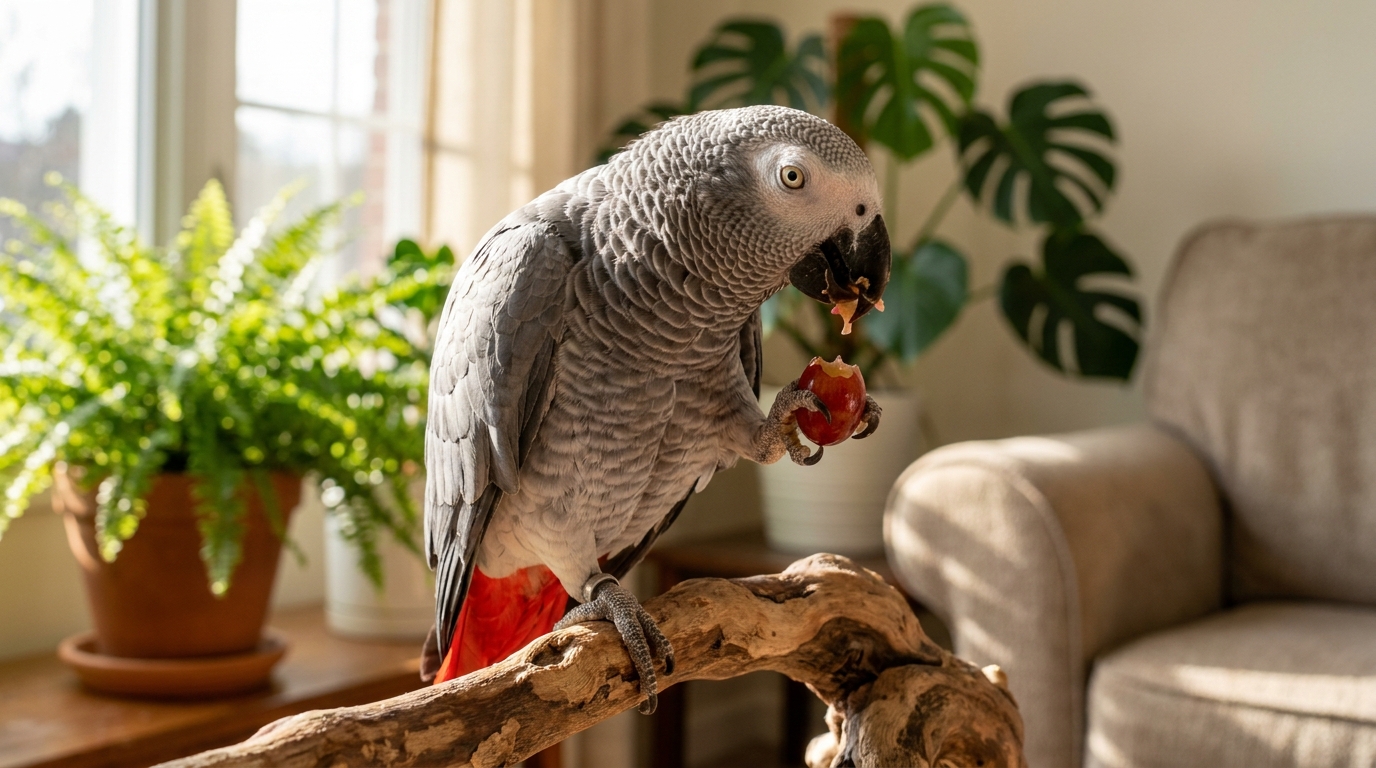
One thing I’ve always enjoyed is watching their confidence grow. A food that gets ignored today often becomes a favorite a week or two later. Patience usually wins, and there’s never much reason to rush the process.
By the time a young parrot is eating a balanced mix of pellets, vegetables, and fresh fruits, grapes can easily become one of the many treats waiting in the bowl. Not the biggest one—just another tasty surprise mixed in with everything else.
Common Mistakes When Feeding Grapes
The funniest part about grapes is how quickly they become the favorite. Give a parrot a choice between grapes and vegetables a few days in a row, and the vegetables suddenly don’t look nearly as exciting anymore. That’s usually the first sign the treats have started showing up a little too often.
Another habit I’ve seen is leaving half-eaten grapes in the cage for the rest of the day. Fresh fruit doesn’t stay fresh for very long. After a while, those juicy little bites turn sticky, attract flies, and make the food bowl look far less appealing than it did in the morning.
Store-bought raisins catch quite a few people by surprise too. They come from grapes, but they aren’t really the same thing. Drying the fruit concentrates the sugar, and many packaged raisins include extra ingredients that have no place in a parrot’s diet.
Then there’s the excitement of finding a food your bird absolutely loves. Every parrot owner knows the feeling. The temptation is to keep offering it because watching them enjoy it is half the fun. Before long, grapes become the first thing the bird looks for every time fresh food appears.
A grape now and then keeps it special. Mine still get excited every single time, even though they know plenty of other good things are waiting in the bowl too.
Best Ways to Serve Grapes
Grapes don’t need much work before they land in the food bowl. A quick wash, a few minutes on the counter to dry, and they’re ready to go. Around here, that’s usually all it takes.
Smaller parrots seem to have an easier time with grapes cut in half or into quarters. It gives them a chance to enjoy the fruit without wrestling with a whole grape that’s almost the same size as their head. Bigger parrots rarely have that problem. Hand them a whole grape, and they’ll usually figure it out in no time.
Some mornings, the grapes end up mixed with chopped vegetables and a few other fruits. Other days, one gets tucked into a foraging toy just to make breakfast a little more interesting. Watching a parrot work out how to reach a favorite snack can be just as entertaining as watching it eat.
Cold grapes are another favorite during the warmer months. Straight from the refrigerator, they stay crisp and juicy, and plenty of parrots seem to enjoy the cooler texture. Mine certainly don’t complain.
One thing you’ll probably notice before long is the cleanup. Grapes have a way of leaving little splashes of juice in places that don’t seem possible. A perch, the food bowl, the cage bars—even the wall nearby isn’t always safe. It comes with the territory, and honestly, it’s hard not to smile when you see the evidence of a snack your bird clearly enjoyed.
Frequently Asked Questions
Can parrots eat grapes every day?
I wouldn’t make them an everyday snack. Grapes are naturally sweet, so they work much better as an occasional treat alongside a balanced diet filled with vegetables, pellets, and other fresh foods.
Can parrots eat frozen grapes?
They can, and quite a few parrots seem to enjoy them on hot days. Just let the grapes soften for a few minutes before serving, especially for smaller birds.
Are seedless grapes better for parrots?
Mostly because they’re more convenient. Seedless grapes save a bit of prep time and give smaller parrots one less thing to deal with while eating.
Can parrots drink grape juice?
Fresh grapes are the better choice. Store-bought grape juice often contains far more sugar than parrots need, and some brands include extra ingredients that simply aren’t worth the risk.
Why does my parrot play with grapes instead of eating them?
That’s classic parrot behavior. Some birds seem to have just as much fun tossing, squeezing, or shredding their food as they do eating it. Half the grape may end up on the cage floor, but that’s all part of their curiosity and natural way of exploring new things.