

Lovebirds and parrotlets are both small parrots, but their size can make them look easier to care for than they really are. Each has a strong personality, a powerful little beak, and a need for daily interaction, safe space, enrichment, and attentive health care. This lovebird vs parrotlet comparison looks at the everyday differences that matter when choosing a companion bird, from sound and social habits to handling and home setup.
There is no universally “better” bird. A calm lovebird may suit one household better than a bold parrotlet, while another person may find the opposite. Species traits can help you ask better questions, but they cannot predict exactly how one individual will behave. Meet the bird, learn its history, and plan for its needs before deciding.
Lovebird vs Parrotlet at a Glance
| Everyday consideration | Lovebird | Parrotlet |
|---|---|---|
| Typical size | Small, stocky parrot; several commonly kept species vary a little in size. | Very small-bodied parrot, but not fragile in personality or beak strength. |
| Common sounds | Often chatters, whistles, and calls, especially when another bird is nearby. | Can be vocal and learn sounds; calls may be sharper than owners expect. |
| Social style | May form a strong bond with a mate or a primary caregiver. | Often bold and assertive; a single bird needs consistent, positive interaction. |
| Handling | Benefits from calm, voluntary, regular handling and training. | Needs patient handling; small size should not invite rough or forced contact. |
| Home setup | Needs a roomy, secure cage, daily activity, and safe chewable enrichment. | Also needs more space and activities than its tiny body might suggest. |
| Best decision factor | Choose for the individual bird and the care routine you can sustain. | Choose for the individual bird and the care routine you can sustain. |
The table is a starting point, not a scorecard. A bird’s age, past handling, health, breeding season, and current environment affect behavior. When possible, meet the bird more than once and observe how it responds after it has had time to settle.
Size, Beak Strength, and Safe Handling
Parrotlets are among the smallest companion parrots, and lovebirds are only modestly larger. That difference matters for perch diameter, food size, cage bar spacing, and how you handle the bird. It does not mean either bird can live in a tiny enclosure. Both need room to climb, flap, stretch, play, and move between perches without constantly brushing the cage walls.
A parrotlet’s beak can deliver a surprisingly firm bite for such a small bird. Lovebirds also have strong beaks and can be territorial, particularly around a cage or favored space. Avoid letting a bird perch on a child’s shoulder or placing fingers close to a bird that is warning you to move away. Instead, teach a simple step-up cue gradually and reward the bird for choosing to participate.
When choosing a cage, verify the spacing recommended for the exact species and the individual bird’s size. Check the door, feeder openings, corners, and any damaged bars; a gap that seems minor to a person can become a trapping hazard. Include perches of safe, varied diameters and arrange toys so the bird can move freely. For a travel-related setup, see BirdNestly’s published guide to small-bird travel carriers.
Personality: Affectionate Does Not Always Mean Cuddly
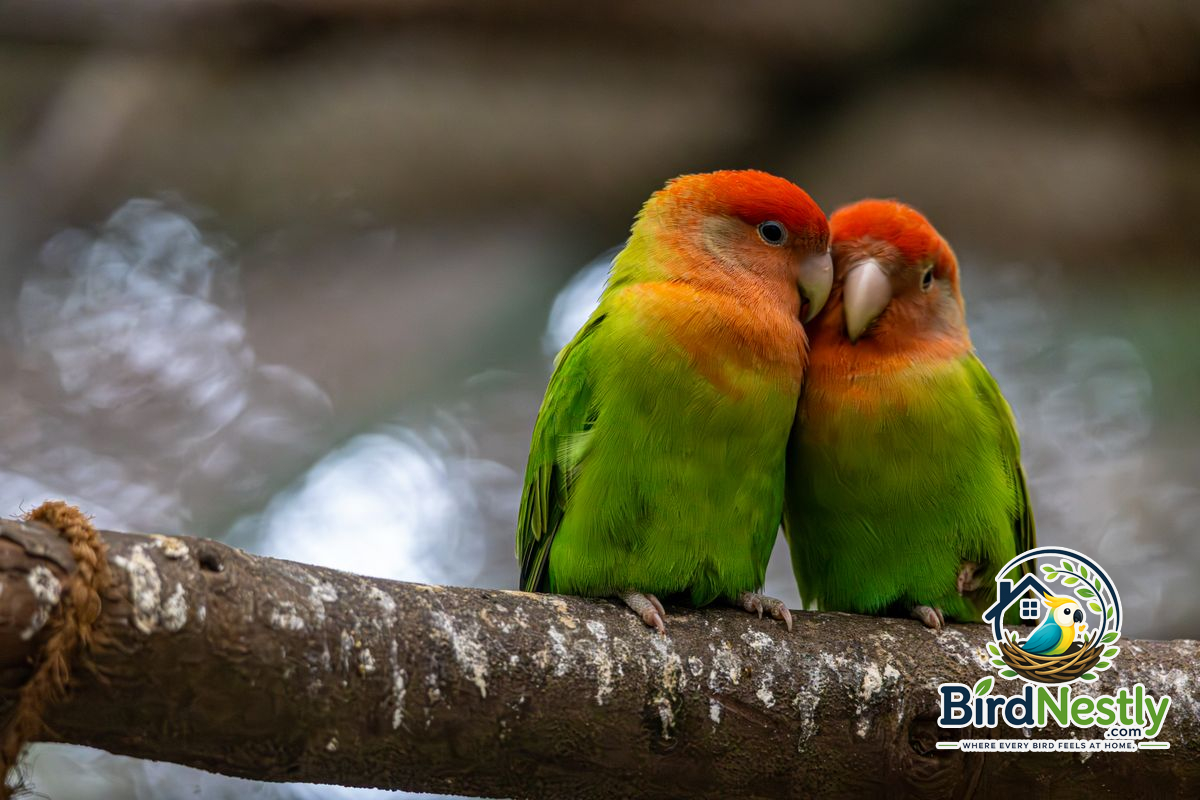
Lovebirds are curious and active. Many form close bonds with another bird, and a single lovebird can also build a strong relationship with its caregiver when daily interaction is consistent. That bond does not guarantee that the bird will enjoy hands, petting, or being carried around. Individual birds set their own limits, and trust grows through predictable, respectful contact.
Parrotlets are often described as bold, busy, and self-assured. Their confidence can be charming, but it can also mean they challenge boundaries or guard a preferred perch. Their small size can tempt people to handle them casually; treat them as a parrot with clear preferences, not as a pocket-sized toy. Offer choice, keep handling sessions short, and let the bird step away without being followed.
For either species, a bird’s behavior can change with age, health, hormones, and routine. A bird that is gentle one day can become wary when tired or startled. Pay attention to body posture and give it an easy route back to its cage or stand. Avoid forcing affection. A bird that is comfortable near you, eats while you are present, or chooses to approach may be showing trust even if it does not want to be touched.
Sound and What You May Hear at Home
Lovebirds can be chatty. Many make repeated contact calls and may become more vocal around dawn, dusk, or when they hear another bird. Parrotlets also call and chatter, and some learn to mimic short sounds or words. Neither species is guaranteed to be quiet simply because it is small. The volume and frequency depend on the individual bird, the household, and what the bird has learned gets a response.
Before adopting, consider where the cage will sit, how sound carries through your home, and whether you work or sleep near the bird. Visit a rescue or experienced bird home if you can, and listen to the birds during ordinary activity instead of relying on short online clips. A bird’s calls are part of normal communication. The goal is to provide a suitable routine and enrichment, not to suppress every sound.
If a normally vocal bird suddenly becomes unusually quiet, or its calls change along with appetite, breathing, droppings, or energy, contact an avian veterinarian. A change in vocal behavior may reflect stress or illness; it should not automatically be treated as a training problem.
One Bird or a Pair?
Lovebirds have a reputation for pair bonding, but some keepers choose one bird and provide regular social contact themselves. A pair may spend much of its time interacting with one another. A single bird may focus more on its caregiver, but then the caregiver must make time for daily companionship and enrichment. Neither arrangement removes the need to understand the bird as an individual.
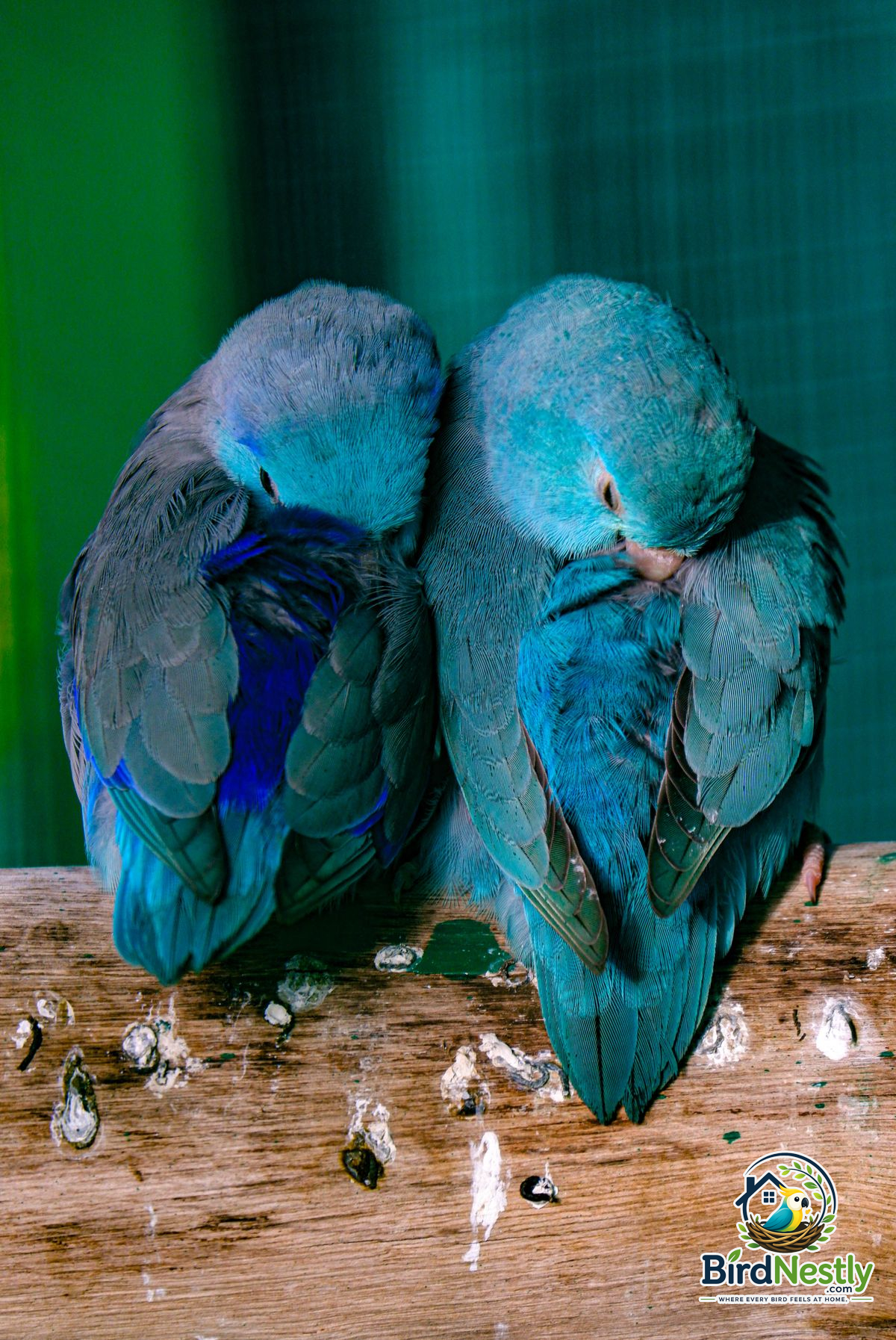
Parrotlets also can bond strongly with another bird. Adding a second bird should not be treated as a quick solution for calling, boredom, or behavior concerns. You will need another suitable cage, separate food and water, additional veterinary care, and a plan for safe introductions. Some birds never accept one another, and you may need to keep them apart permanently.
Do not house a lovebird and a parrotlet in one cage just because both are small. Their body language, temperament, and beak strength differ, and a conflict can cause serious injury. If you already have a bird and are considering another, speak with an avian veterinarian about health screening and quarantine. Introductions should be gradual, supervised, and arranged so each bird has a secure place of its own.
Daily Care, Diet, and Enrichment
Both species need a balanced diet planned for companion parrots, with fresh water available all the time. Many avian care resources recommend a formulated diet alongside suitable fresh foods rather than relying mainly on seed. Exact needs vary by bird, so ask an avian veterinarian before changing the diet or trying to convert a bird that has eaten one food for years. Track what the bird actually eats; a bowl that looks full may contain hulls rather than food.
Offer safe opportunities to chew, climb, shred, and search for food. A simple foraging activity can begin with familiar food partly covered by clean paper or placed in a shallow tray where the bird can still see it. Make new activities easy at first and watch to confirm the bird finds and eats the food. BirdNestly’s published guide to parrot foraging trays has ideas for adding food-search activities.
Inspect toys regularly for frayed fibers, loose parts, sharp edges, or damage. Provide a quiet sleep area and a predictable day-to-day rhythm. Give the bird supervised time outside its cage in a bird-safe room, with windows, fans, hot surfaces, and household hazards managed before it comes out. Small birds can get into narrow gaps quickly, so block unsafe spaces and keep other pets separated.
Which Bird May Fit Your Household?
A lovebird may appeal to someone who enjoys a lively, vocal bird and is prepared for a strong social bond. A parrotlet may suit someone who appreciates a small but assertive companion and can offer patient, consistent handling. Either bird can be a good match for a prepared home, and either can be a difficult fit if the household expects a low-maintenance pet that entertains itself all day.
Think about your schedule, noise tolerance, living space, access to an avian veterinarian, and willingness to care for the bird for many years. Ask the rescue or breeder what the bird eats, how it responds to hands, whether it has lived with other birds, and whether it has medical records. If you have children, establish clear rules for quiet observation and supervised interaction.
Meet the individual bird before choosing whenever possible. A species description can help you prepare, but it cannot tell you whether that particular bird is outgoing, cautious, territorial, or comfortable with your routine. Choose based on the bird in front of you and the care you can reliably provide.
Helpful FAQs
Are lovebirds bigger than parrotlets?
Common pet lovebirds are generally a little larger and stockier, while parrotlets are among the smallest parrots. Sizes vary by species, so verify the exact bird rather than relying only on the common name.
Which bird is quieter?
There is no guarantee. Lovebirds often chatter and call; parrotlets also vocalize. Visit birds in person and think about your household’s sound tolerance.
Can a lovebird and parrotlet share a cage?
Do not assume they can. Keep them separately housed unless an avian professional has helped assess compatibility and safety. Even friendly birds need supervised interactions.
Is a pair easier to care for than one bird?
No. A pair may socialize with each other, but it still needs daily care, a suitable enclosure, health monitoring, and safe enrichment. A second bird also means extra space and expense.
Which one is better for a first-time bird owner?
Neither is automatically the easier choice. Consider the individual bird’s history, your schedule, and whether you can provide daily attention and veterinary care.
Tags
lovebird vs parrotlet, lovebird care, parrotlet care, small parrots, companion bird comparison


Write Your Review
No reviews yet. Be the first to share your experience!