

Indoor avian environments often lack the natural sunlight necessary for a bird’s physical and psychological well being. Without access to specific ultraviolet wavelengths, parrots can suffer from calcium deficiencies, brittle feathers, and even behavioral issues like plucking. Choosing the best UV light for parrots ensures your pet receives the essential UVA and UVB rays needed to synthesize Vitamin D3, which is critical for calcium absorption and bone health.
In this guide for October 2026, we evaluate 8 different lighting solutions ranging from $16.99 to $104.95. Brands like MMCageCompany and REPTIHOME offer diverse options, from full spectrum LEDs to traditional fluorescent bulbs. To ensure your bird stays healthy and active, you might also consider upgrading to the best parrot feeding station to complement their new lighting setup.

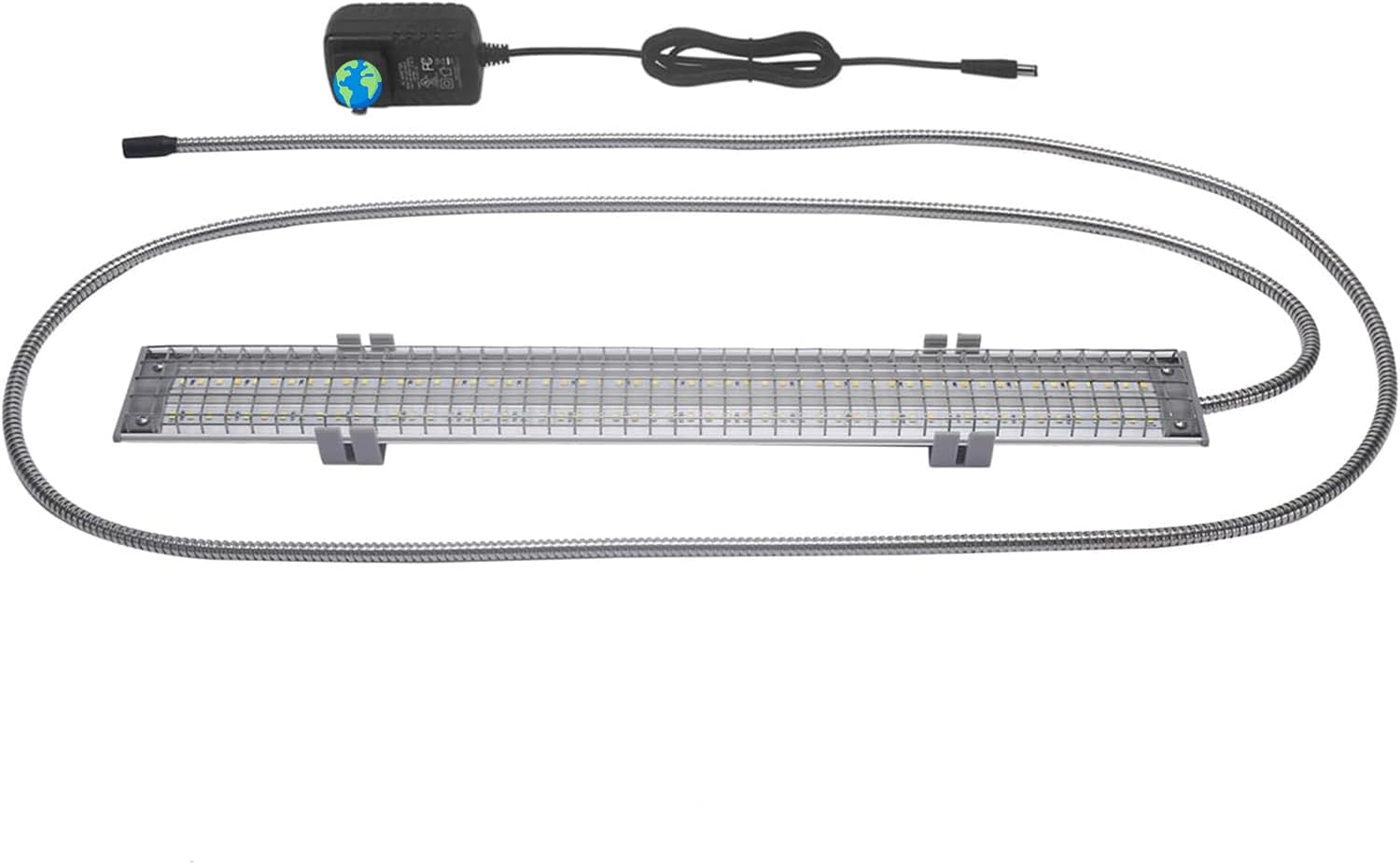

Pros
- Promotes Vitamin D3 synthesis
- Fits standard E26 sockets
- Prevents metabolic bone disease
- Vibrant natural color rendering
- Affordable full spectrum lighting
Cons
- Occasional buzzing during break-in
- High heat output during operation
- Not compatible with dimmers


UVB and UVA Output Levels
The most critical factor when selecting the best UV light for parrots is the specific percentage of UVB output. Most captive birds require a low but consistent level of UVB, typically around 2.4 percent, to safely stimulate Vitamin D3 production. High-intensity reptile lights can be dangerous for avian eyes, so you must verify the product is specifically calibrated for birds.
UVA rays are equally important as they fall within the visible spectrum for birds, allowing them to see colors more vividly and recognize potential mates or food. A balanced spectrum helps regulate circadian rhythms and can significantly reduce stress-induced behaviors. Always check the manufacturer specifications to ensure the lamp provides both wavelengths without emitting harmful UVC radiation.
Safety Features and Chew Protection
Parrots are naturally curious and possess powerful beaks capable of destroying standard electrical components. When installing the best UV light for parrots, you should look for models that include stainless steel chew guards or reinforced cable protection. This prevents the bird from accessing live wires or swallowing small plastic parts that could lead to heavy metal poisoning or choking.
Mounting stability is another safety concern, as a fallen lamp can cause burns or start a fire. Choose fixtures with heavy duty clamps or secure screw mounts that can withstand the vibrations of a large bird landing on the cage. If you are also looking for ways to keep the cage tidy, check out our guide on the best no spill parrot food bowl for a cleaner habitat.
Timer and Dimming Functionality
Consistency is key for a bird’s hormonal health, and a built in timer helps maintain a regular photoperiod. Many modern LED bird lights offer programmable cycles of 3, 9, or 12 hours, simulating the natural rising and setting of the sun. This prevents the common mistake of leaving lights on too long, which can trigger unwanted breeding behaviors or chronic exhaustion.
Dimmable settings allow you to adjust the intensity based on the distance from the perch or the sensitivity of your specific bird species. Stepless dimming is preferred over sudden jumps in brightness, as it is less likely to startle a resting bird. Proper lighting schedules work best when paired with high quality accessories, such as the best stainless steel parrot bowls, to ensure their environment is both healthy and durable.
Color Rendering Index (CRI)
A high Color Rendering Index, usually above 90, ensures that your parrot’s feathers appear as they would under natural sunlight. This is not just for the owner’s aesthetic benefit; birds use their plumage colors to communicate and interact with their environment. Lighting with a poor CRI can make their surroundings look dull and may affect their psychological state.
Heat Dissipation and Bulb Longevity
LED fixtures generally run cooler than traditional fluorescent or mercury vapor bulbs, reducing the risk of overheating the cage area. Excessive heat can lead to dehydration or discomfort, especially in smaller cages. Look for aluminum housings or vented designs that effectively dissipate heat away from the bird’s living space.
Keep in mind that UV output degrades long before the visible light burns out. Most fluorescent UV bulbs need replacement every six to twelve months to remain effective. LEDs tend to last longer, often rated for 30,000 hours, but their UV specific chips may still lose potency over time, so regular monitoring is recommended.
Why You Should Trust Us
Our team specializes in avian care and environmental enrichment for captive birds. We analyze technical specifications, including spectral charts and safety certifications, to determine which products meet the unique physiological needs of parrots. We prioritize data driven comparisons of UV output, build quality, and safety features to provide objective recommendations.
We recognize that every bird species has slightly different requirements, from the small budgie to the large macaw. Our methodology focuses on transparency, highlighting both the strengths and potential drawbacks of each lighting system. By comparing the top brands in the market, we aim to help you make an informed decision that enhances your pet’s quality of life.
Final Thoughts
For those seeking the best overall performance and safety, we highly recommend the HappyBird Lighting Bird Cage Light with Chew Guard. Its specialized LED spectrum is gentle on avian eyes while the integrated chew guard provides the necessary protection against curious hookbills. It is a premium investment that prioritizes long term health and safety.
If you are looking for the best value, the Sundew 2.4% UVB Bird Light Bulb offers a highly affordable way to introduce essential UVB into a standard fixture. It provides a calibrated 2.4 percent output that is perfect for most indoor parrots without breaking the budget. For those who need advanced scheduling, the Full Spectrum LED Bird Cage Light with Timer is our top pick for its smart timing features and flexible positioning.
Maintaining a healthy habitat involves more than just lighting; ensuring clean water is equally vital. Consider pairing your new light with the best water bowl for parrots to keep your bird hydrated under their new simulated sun. With the right combination of light, nutrition, and clean water, your parrot will thrive for years to come.
FAQs
How many hours a day should I use the best UV light for parrots in 2026?
Most experts recommend providing between 8 to 12 hours of light per day to simulate a natural tropical day length. It is important to turn the lights off at night to allow your parrot to get 10 to 12 hours of uninterrupted sleep for proper hormonal balance.
Can I use a regular reptile UVB light for my parrot?
No, you should avoid high intensity reptile lights as they often emit UVB at levels that can cause cataracts or skin damage in birds. The best UV light for parrots is specifically designed with a lower UVB percentage, typically around 2.4 percent, which is safer for avian eyes.
How far away should the lamp be from my bird?
For most 20W bulbs or LED strips, a distance of 12 to 18 inches from the highest perch is ideal. This ensures the bird receives the benefits of the UV rays without being exposed to excessive heat or glare. Always ensure the cord is out of reach or protected by a chew guard.
Does glass block the UV rays from my window?
Yes, standard window glass filters out nearly all beneficial UVB rays. Even if your parrot sits in a sunny window, they are likely not receiving the wavelengths needed for Vitamin D3 synthesis, which is why a dedicated avian lamp is necessary for indoor birds.
How often should I replace the UV bulbs?
Fluorescent UV bulbs should be replaced every 6 to 12 months because the phosphor coating that produces UV light wears out, even if the bulb still looks bright. LEDs last longer but should still be checked periodically for any signs of dimming or spectrum shift.
Can UV light help with feather plucking?
In many cases, yes. Proper UVA and UVB lighting can reduce stress, improve mood, and encourage natural preening behaviors. While not a cure for all behavioral issues, it is a foundational part of a healthy environment, much like using the best bird water bottle for parrots to ensure hygiene.
Is it safe to leave the UV light on while I am not home?
If you use a high quality fixture with a timer and a secure mount, it is generally safe. However, you should always ensure the bird cannot reach the wires and that the lamp is positioned where it cannot be knocked over by an active bird during flight or play.


Write Your Review
No reviews yet. Be the first to share your experience!