

Parrots evolved in sun-drenched tropical environments where intense UV rays regulate their biological clocks and physical health. Keeping these intelligent birds indoors without specialized lighting often leads to vitamin D3 deficiencies and behavioral issues. Choosing the best bird lamp for parrots for October 2026 ensures your companion receives the full spectrum of light required for feather health and calcium metabolism.
In our comprehensive guide, we look at 7 different lighting solutions ranging from $17.99 to $109.99 to help you find the perfect fit. Whether you need a simple bulb for a small cage or a heavy-duty fixture with a chew guard, our analysis covers the most reliable brands like MMCageCompany, REPTIHOME, GlowUp and more. Proper lighting is just as essential as choosing the best parrot food brands for overall longevity.

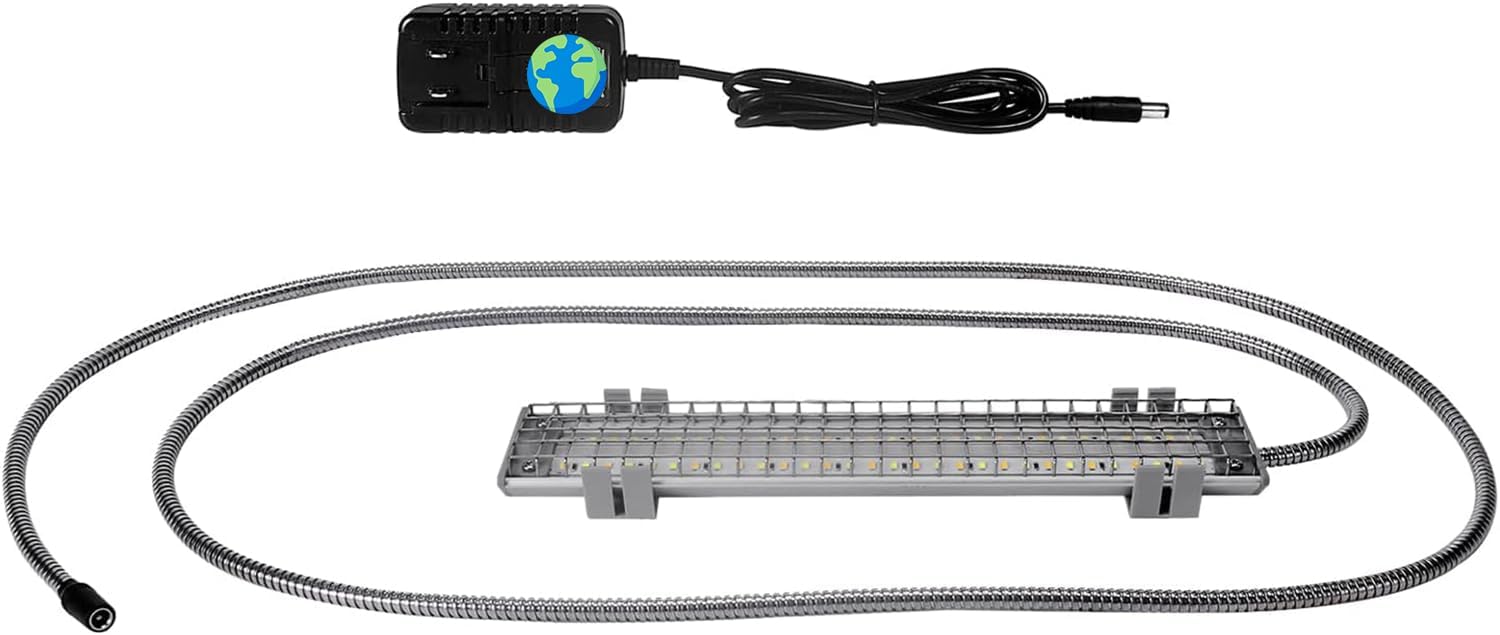
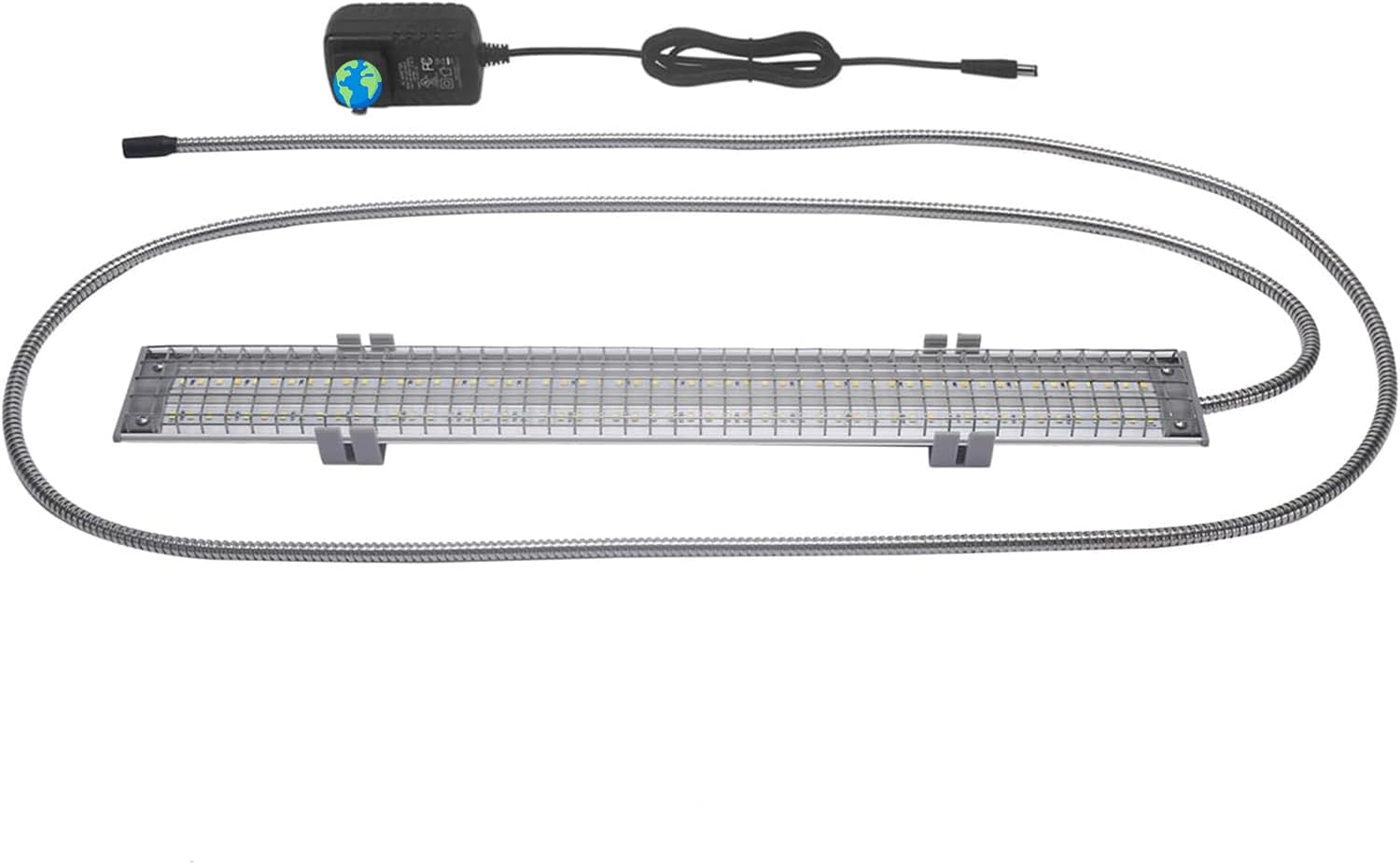
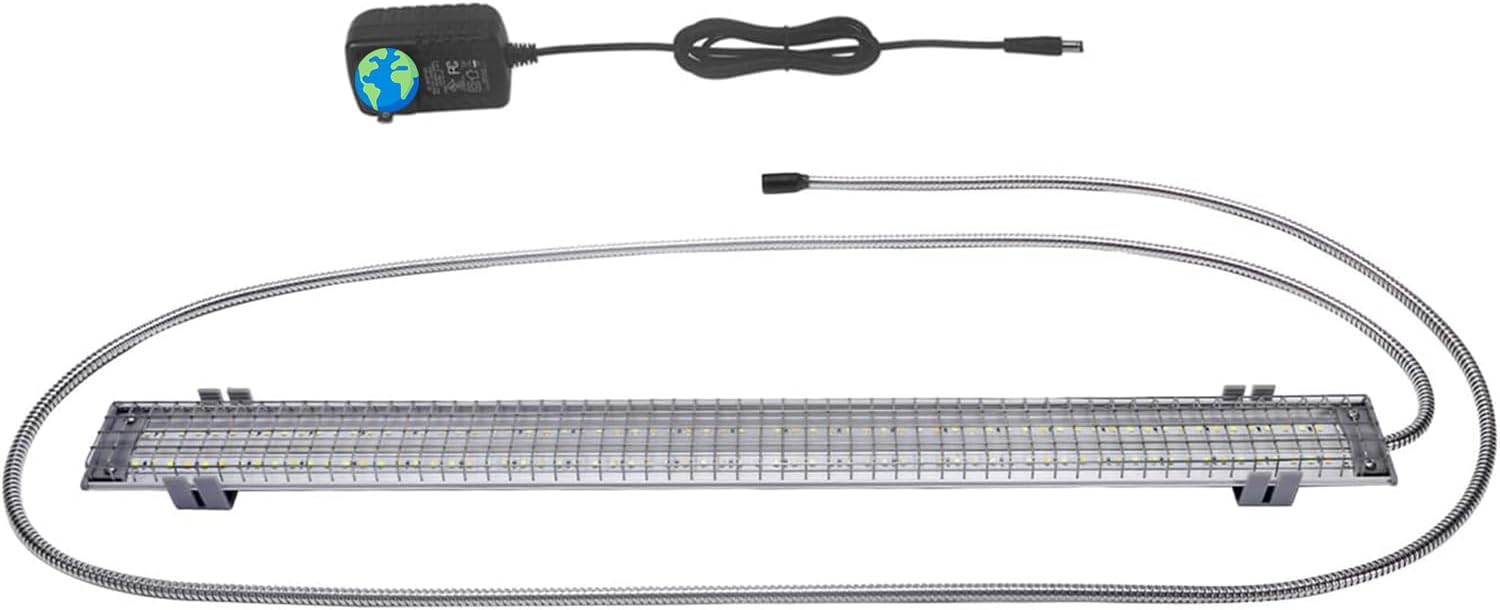

Pros
- Promotes Vitamin D3 synthesis
- Fits standard E26 sockets
- Prevents metabolic bone disease
- Vibrant natural color rendering
- Affordable full spectrum lighting
Cons
- Occasional buzzing during break-in
- High heat output during operation
- Not compatible with dimmers


UVB and UVA Output Levels
The most critical factor in selecting a lamp is the specific spectrum it provides. Captive birds require UVA to see a full range of colors, which influences their social interactions and feeding habits. Without UVA, their world looks dull and monochromatic, which can lead to lethargy or poor appetite. You should look for lamps that provide these specific wavelengths to help your bird feel more at home.
UVB is equally vital as it allows the bird to synthesize Vitamin D3 in their skin and uropygial gland. This vitamin is the key to absorbing calcium from their diet. If you are already providing the best parrot food for immune system support, adding a 2.4 percent UVB light ensures that nutrition is actually utilized by the body. Always check that the lamp is specifically labeled for avian use rather than reptiles.
Chew Protection and Safety Features
Parrots are notorious for exploring their environment with their powerful beaks. A standard lamp cord is a significant electrocution hazard if left exposed near the cage. High-quality avian lights often include stainless steel chew guards or reinforced cable protection. This is especially important for hookbills like Macaws or Cockatoos who can easily snap through plastic housing.
Beyond the cord, the mounting system must be robust enough to withstand bird activity. Look for heavy duty springs or screw-fixed brackets that prevent the lamp from falling if the bird lands on it. Some models also include glare visors, which protect your own eyes while focusing the light downward where the bird needs it most. Safety should always be your primary concern when adding electrical components to a bird lifestyle setup.
Timer and Routine Automation
Birds are highly sensitive to photoperiods, which are the consistent cycles of light and dark. Inconsistent lighting can trigger hormonal imbalances, leading to screaming, feather plucking, or unwanted egg laying. A lamp with a built-in timer allows you to automate a 10 to 12 hour day cycle. This helps your parrot maintain a stable circadian rhythm even if you aren’t home to flip a switch.
Advanced models offer sunrise and sunset modes that gradually dim the light. This mimics the natural transition of the sun and prevents the shock of a sudden pitch-black room. Maintaining this routine is just as important for their mental health as providing the best food bowl for parrots to keep their feeding area organized and predictable.
Heat Dissipation and LED vs. Fluorescent
Modern LED bird lights are generally preferred because they run much cooler than traditional fluorescent bulbs. High heat can be uncomfortable for a bird sitting directly under the fixture for hours. LEDs also have a longer lifespan, often rated for over 30,000 hours of use. This makes them a more economical choice over time despite a higher initial purchase price.
Fluorescent bulbs, however, are often better at providing a wider spread of UVB for very large aviaries. If you choose fluorescent, ensure the fixture is flicker-free. Parrots have much faster vision than humans, and a light that looks steady to us might flicker like a strobe light to them. This constant flickering can cause significant neurological stress and agitation.
Why You Should Trust Us
Our team analyzes avian lighting by focusing on technical specifications and manufacturer transparency. We look at spectral charts to ensure that the claims of full spectrum output match the physical capabilities of the LEDs or bulbs used. We prioritize safety certifications and bird-specific engineering over general-purpose pet lighting that may not meet the unique physiological needs of parrots.
We remain objective by comparing data across multiple brands and focusing on long-term durability. Our recommendations are based on a mix of product build quality, safety features like chew guards, and the reliability of built-in timers. We aim to provide a clear picture of which lights offer the best value for different cage sizes and bird species.
Final Thoughts
For most parrot owners, we recommend the HappyBird Lighting Bird Cage Light with Chew Guard as the best overall choice. Its integrated stainless steel protection and proprietary full-spectrum LED design make it incredibly safe and effective for destructive hookbills. It offers the peace of mind that your bird won’t be able to damage the fixture while basking.
If you are looking for the best value, the GlowUp 10W Bird Cage Light provides excellent functionality at a lower price point. It includes a built-in timer and adjustable UVB levels, which are features usually reserved for more expensive models. For those who already have a fixture and just need a replacement bulb, the UVA UVB Light Bulb for Birds 2.4 UVB 20W is a reliable and affordable way to introduce beneficial rays to your bird’s environment.
FAQs
How many hours a day should I leave the best bird lamp for parrots on in 2026?
Most experts recommend a consistent cycle of 10 to 12 hours of light followed by 12 hours of dark. This mimics the natural tropical day length and helps regulate your bird’s hormones. Using a timer can help you maintain this schedule accurately every day.
Can I use a regular reptile light for my parrot?
It is generally not recommended to use reptile lights because they often have much higher UVB outputs that can damage a bird’s sensitive eyes. Avian-specific lights are designed with a lower UVB percentage, typically around 2.4 percent, which is safer for long-term exposure. You can learn more about bird safety in our bird health section.
Where is the best place to mount the light on the cage?
The light should be mounted directly above the bird’s favorite perch, approximately 12 inches away from the bird. This ensures they receive the full benefit of the spectrum without the light being too intense. Ensure all cords are kept outside the cage or protected by a chew guard.
Do LED bird lights need to be replaced as often as fluorescent bulbs?
No, LED lights typically last much longer and do not lose their UV spectrum as quickly as fluorescent tubes. While fluorescent bulbs should be replaced every 6 to 12 months, a high-quality LED fixture can provide effective light for several years before needing replacement.
Will a bird lamp help with feather plucking?
While not a guaranteed cure, proper lighting can reduce stress and improve skin health, which are often underlying factors in plucking. By regulating the bird’s biological clock and helping them see their environment in full color, a lamp can significantly improve their overall mood and mental well-being.
Does a bird lamp provide heat?
Most full-spectrum bird lamps are designed for light, not heat. If your bird needs warmth, you should look for a ceramic heat emitter or a specialized bird-safe heater. LED bird lights stay relatively cool to the touch to prevent burns.
Can my bird get a sunburn from these lights?
If the light is mounted at the recommended distance, there is no risk of sunburn. These lights are designed to provide a gentle level of UV that mimics natural indirect sunlight. Always follow the manufacturer’s instructions regarding the safe distance from the perch.


Write Your Review
No reviews yet. Be the first to share your experience!