

Finding the right feeding hardware is a fundamental part of maintaining a healthy Bird Lifestyle. Parrots are notoriously playful and often view their dishes as toys to be flipped or tossed across the cage floor.
In this guide, we evaluate 3 top-rated options for October 2026 that prioritize security and hygiene. Whether you need a rust-proof stainless steel cup or a heavy-duty crock, these selections cater to various species and cage sizes.


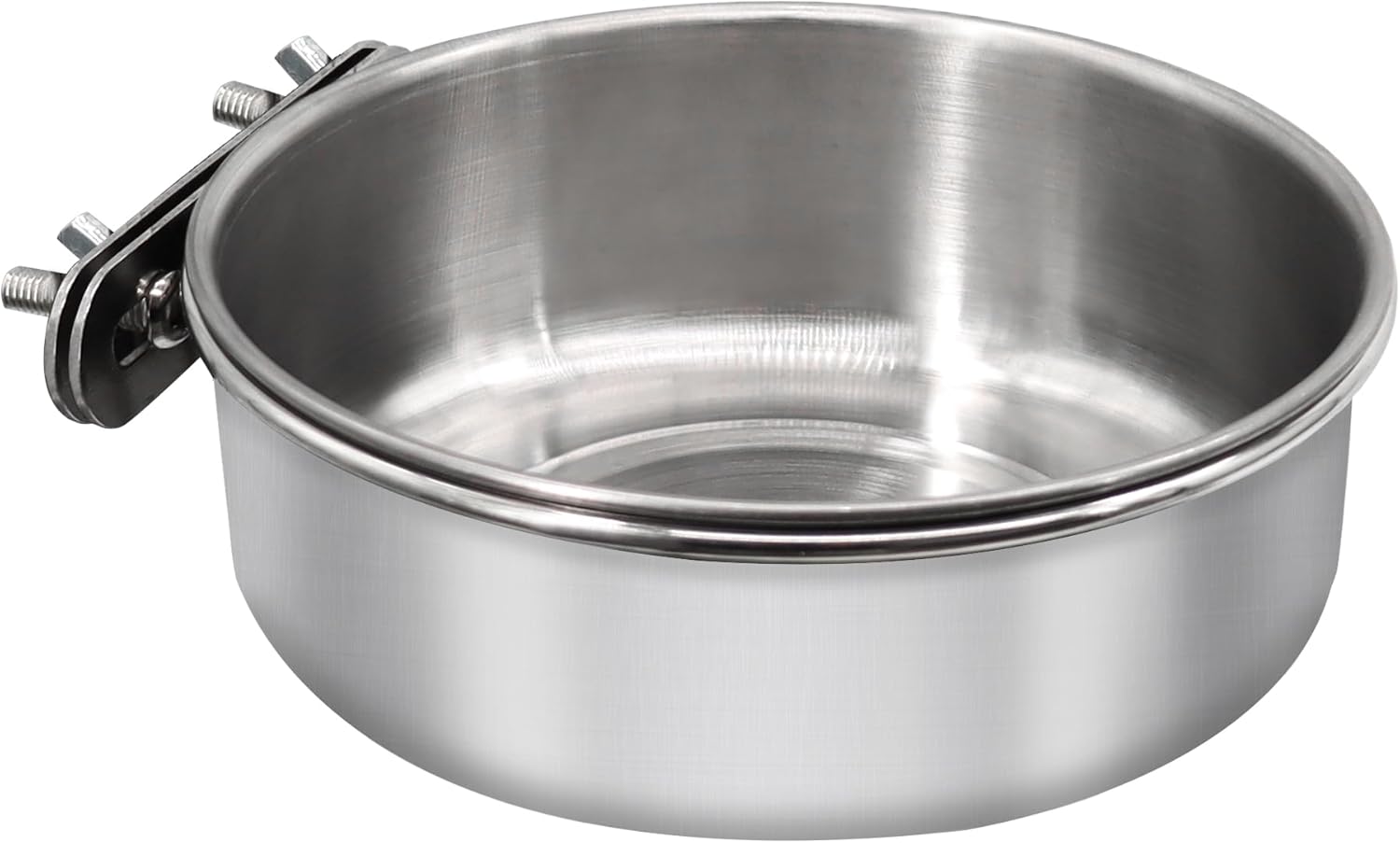
Mounting Security and Stability
The most important factor when choosing the best food bowl for parrots is how it attaches to the enclosure. Many birds enjoy the challenge of unhooking their dishes, which leads to wasted food and a significant mess for you to clean.
Look for systems that utilize a bolt-on or quick-lock mechanism rather than simple hanging hooks. A secure clamp ensures that even the strongest macaws or cockatoos cannot dislodge the bowl during their daily activities or tantrums.
Material Durability and Safety
Material choice impacts both the longevity of the bowl and the health of your bird. Stainless steel is widely considered the gold standard because it is non-porous, rust-resistant, and virtually indestructible under a powerful beak.
High-density plastics and specialized resins are also viable options if they are BPA-free and thick enough to resist cracking. Avoid thin plastic dishes that can be chewed, as small shards pose a significant choking hazard to curious birds.
Ease of Cleaning and Hygiene
Parrot bowls require daily washing to prevent the buildup of bacteria and biofilm, especially when used for fresh fruits or water. A removable design allows you to take the bowl to the sink without unscrewing the entire mounting bracket.
Dishwasher-safe components are a major plus for busy owners. Ensuring the bowl has smooth, rounded edges prevents food particles from getting trapped in tight corners, keeping the environment safe for your pet’s Bird Health.
Size and Depth Requirements
The bowl size should correspond to the species of parrot you own. A dish that is too deep might make it difficult for smaller birds like budgies to reach their food, while a shallow dish will result in excessive spilling for larger parrots.
| Bird Size | Recommended Capacity | Ideal Material |
|---|---|---|
| Small (Budgies, Lovebirds) | 5 – 10 oz | Stainless Steel / Resin |
| Medium (Conures, Greys) | 10 – 20 oz | Stainless Steel / Thick Plastic |
| Large (Macaws, Cockatoos) | 20+ oz | Heavy-Duty Stainless Steel |
Versatility for Different Food Types
A good feeding setup often requires multiple bowls for different purposes. One bowl should be dedicated to a high-quality Bird Diet consisting of pellets, while others hold fresh water and daily produce.
Consider purchasing sets that include different sizes or matching designs. This creates a uniform look in the cage while providing the appropriate volume for both dry treats and wet mashes without cross-contamination.
Why You Should Trust Us
Our team analyzes avian accessories based on material safety standards and real-world durability reports from long-term bird owners. We focus on objective metrics such as mounting strength, material thickness, and ease of maintenance.
We do not accept free products in exchange for positive reviews. Our goal is to provide transparent data so you can make an informed decision for your parrot’s well-being and your own convenience.
Final Thoughts
For most owners, the Tfwadmx Bird Feeding Dish Cups Parrot Food Bowl serves as the best overall choice. Its stainless steel construction and secure clamp system provide the perfect balance of durability and ease of use for medium-sized birds.
If you are looking for the best value, the Lixit® Quick Lock Removable Bird Cage Bowls offer a rugged, dishwasher-safe solution at a very accessible price point. For those with multiple birds or larger species, the Large Bird Feeding Dish Cups with Clamp Holder provides the necessary volume and stability.
FAQs
What is the most durable material for the best food bowl for parrots in 2026?
Stainless steel remains the most durable material because it cannot be chewed or cracked by powerful parrot beaks. It is also resistant to rust and bacterial growth, making it a safer long-term investment than plastic.
How often should I clean my parrot’s food and water bowls?
You should clean the bowls daily with warm, soapy water. For birds on a fresh food diet, it is even more critical to remove uneaten portions quickly to prevent spoilage and fruit fly infestations.
Can I use a ceramic bowl for my parrot?
Ceramic bowls are heavy and stable, but they can chip or crack, creating sharp edges. If you choose ceramic, ensure it is lead-free and regularly inspect it for any signs of damage or wear.
Why does my parrot keep throwing their food bowl?
Many parrots throw their bowls as a form of play or to get their owner’s attention. Switching to a secure clamp-style or quick-lock bowl will prevent them from being able to lift the dish from its holder.
Are plastic bowls safe for all parrot species?
While high-density plastic is safe for smaller birds, large parrots can easily chew through them. If your bird is a heavy chewer, you might want to look into a best parrot platform perch that provides a stable flat surface for stainless steel dishes.
What size bowl is best for an African Grey?
An African Grey typically does best with a bowl that holds between 10 and 20 ounces. This provides enough space for a day’s worth of food without the bird feeling crowded while they eat.
Do these bowls fit all types of bird cages?
Most clamp-style bowls are designed to fit standard vertical and horizontal cage bars. However, always check the clamp width to ensure it can accommodate the specific bar spacing of your parrot’s enclosure.


Write Your Review
No reviews yet. Be the first to share your experience!