

If you are comparing a best outdoor parrot cage, the real question is how well it supports daily bird life outside. Your bird needs airflow, secure spacing, weather resistance, and enough room to move without constant stress.
That balance matters even more when you are choosing between compact wooden aviaries and larger walk-in enclosures. We also recommend pairing this guide with our best parrot cages if you want to compare indoor and outdoor setups side by side.
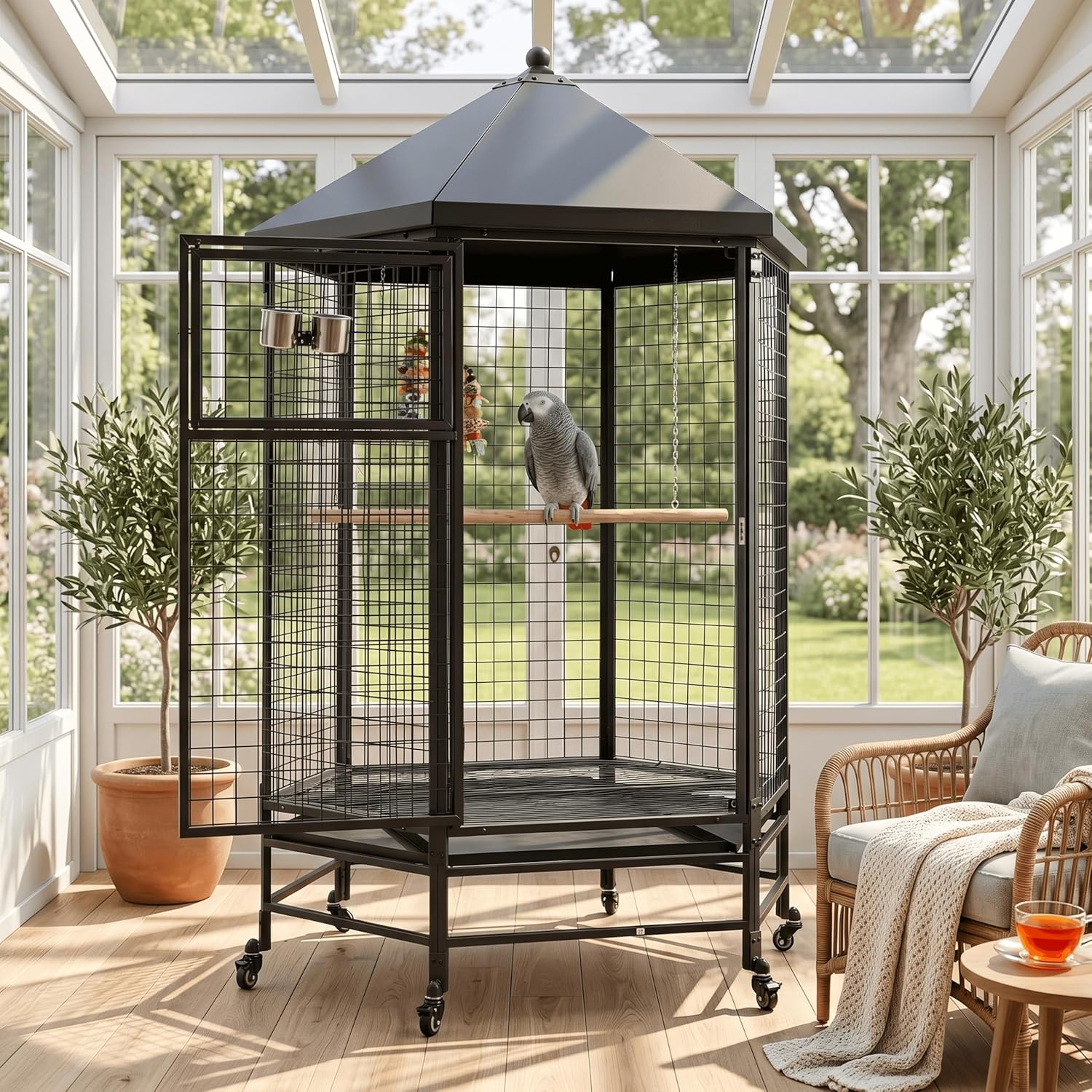
Pros
- Spacious hexagonal layout
- Heavy-duty metal frame
- Wheeled for easy moving
- Three slide-out trays
- Includes cups and perch
Cons
- Heavy to handle
- Large footprint indoors
- May be overkill for small birds

Pros
- Walk-in access
- Outdoor rust resistance
- Large flying space
- Secure bar spacing
- Includes bowls and perch
Cons
- Heavy to move
- Assembly required
- Large footprint
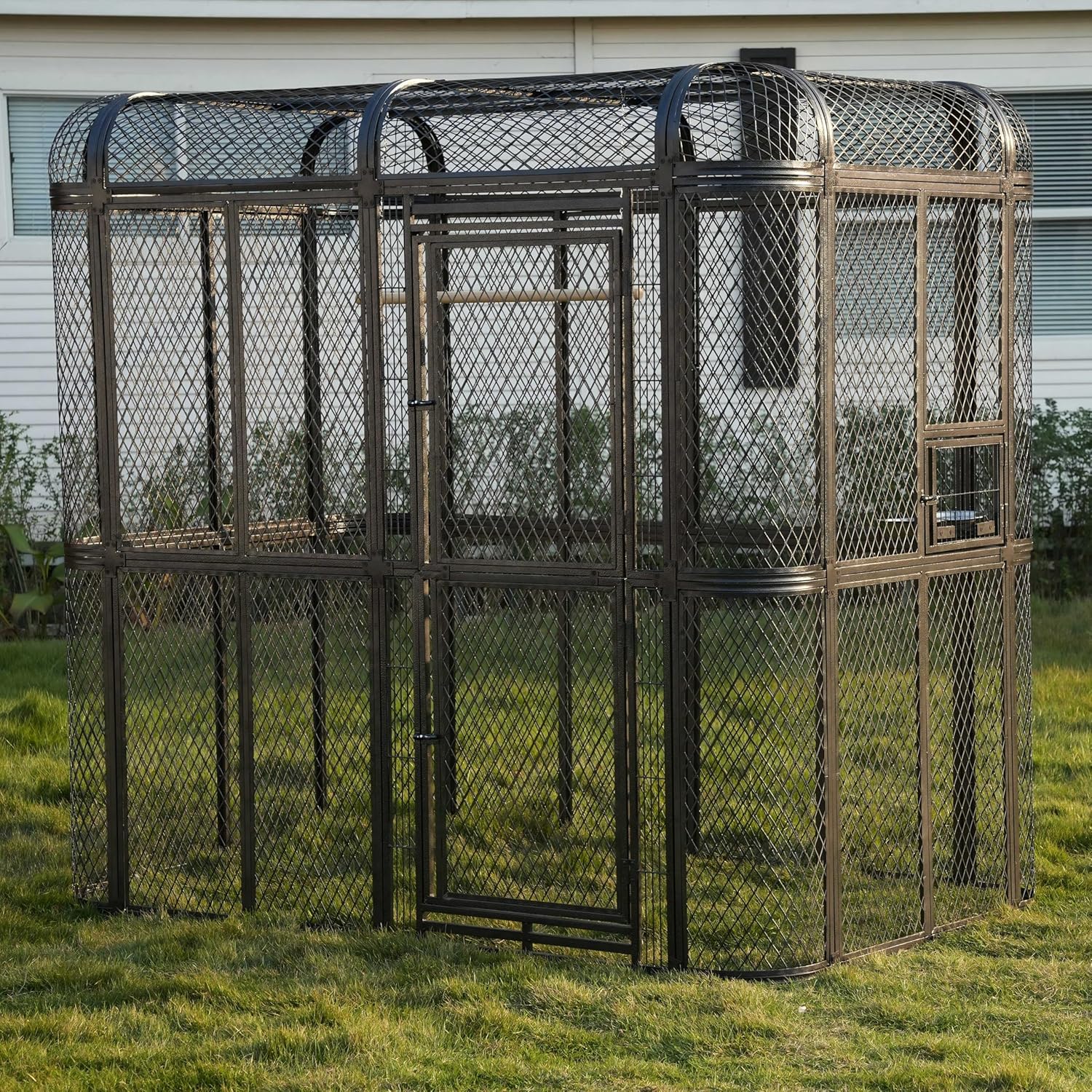
Pros
- Walk-in full-height entry
- Rust-resistant carbon steel
- Secure bar spacing
- Good ventilation
- Multiple access doors
Cons
- Assembly takes time
- Large footprint
- Moderate review rating

Pros
- Spacious walk-in design
- Rust-resistant steel frame
- Includes perch and bowls
- Easy feed window access
- Suitable for large birds
Cons
- Assembly takes significant time
- May need two people to build
- Not ideal for strong chewers

Pros
- Large interior space
- Galvanized steel construction
- Lockable hinged door
- Good airflow and visibility
- Indoor and outdoor use
Cons
- Assembly likely required
- Heavy and bulky to move
- Basic design, not decorative
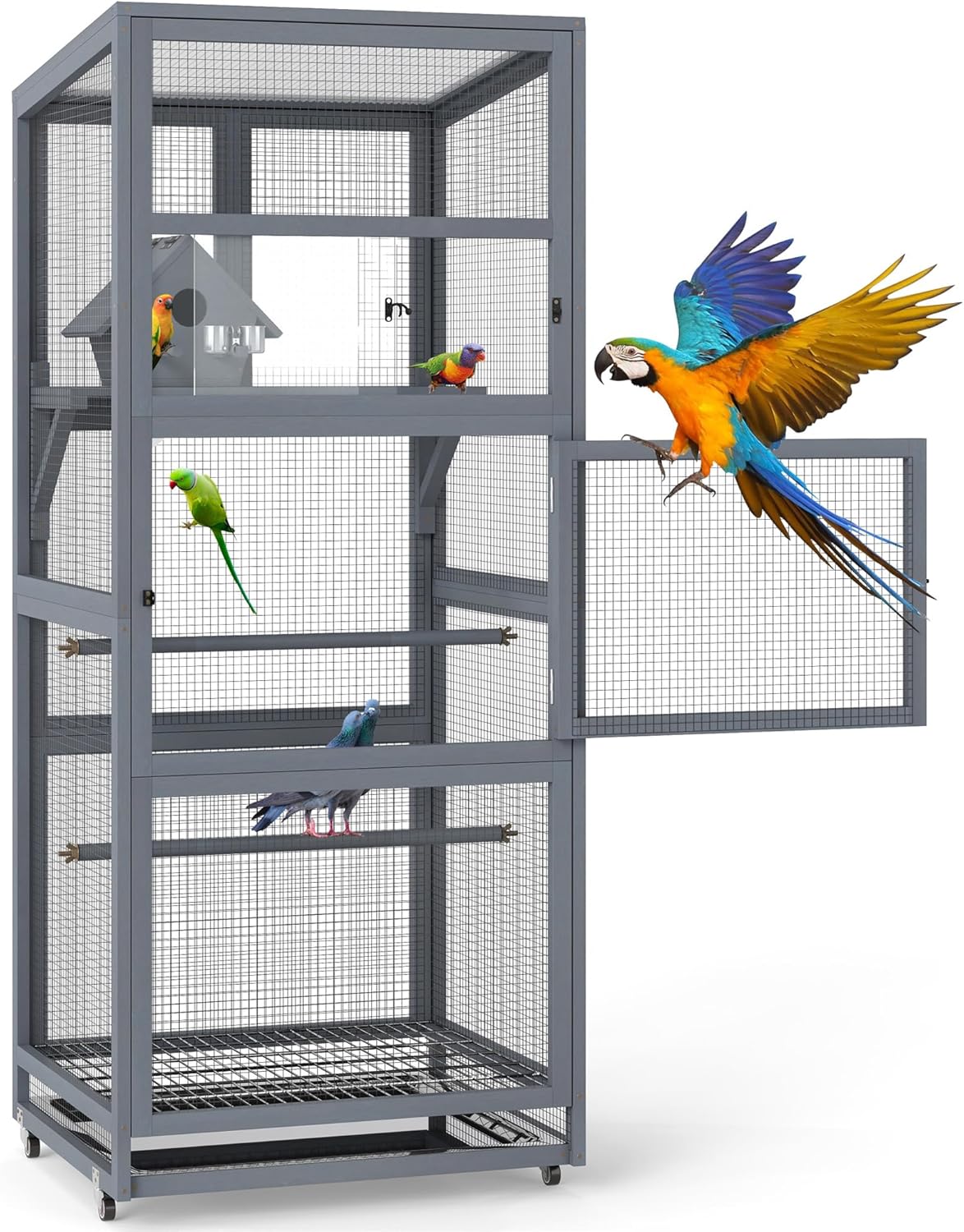
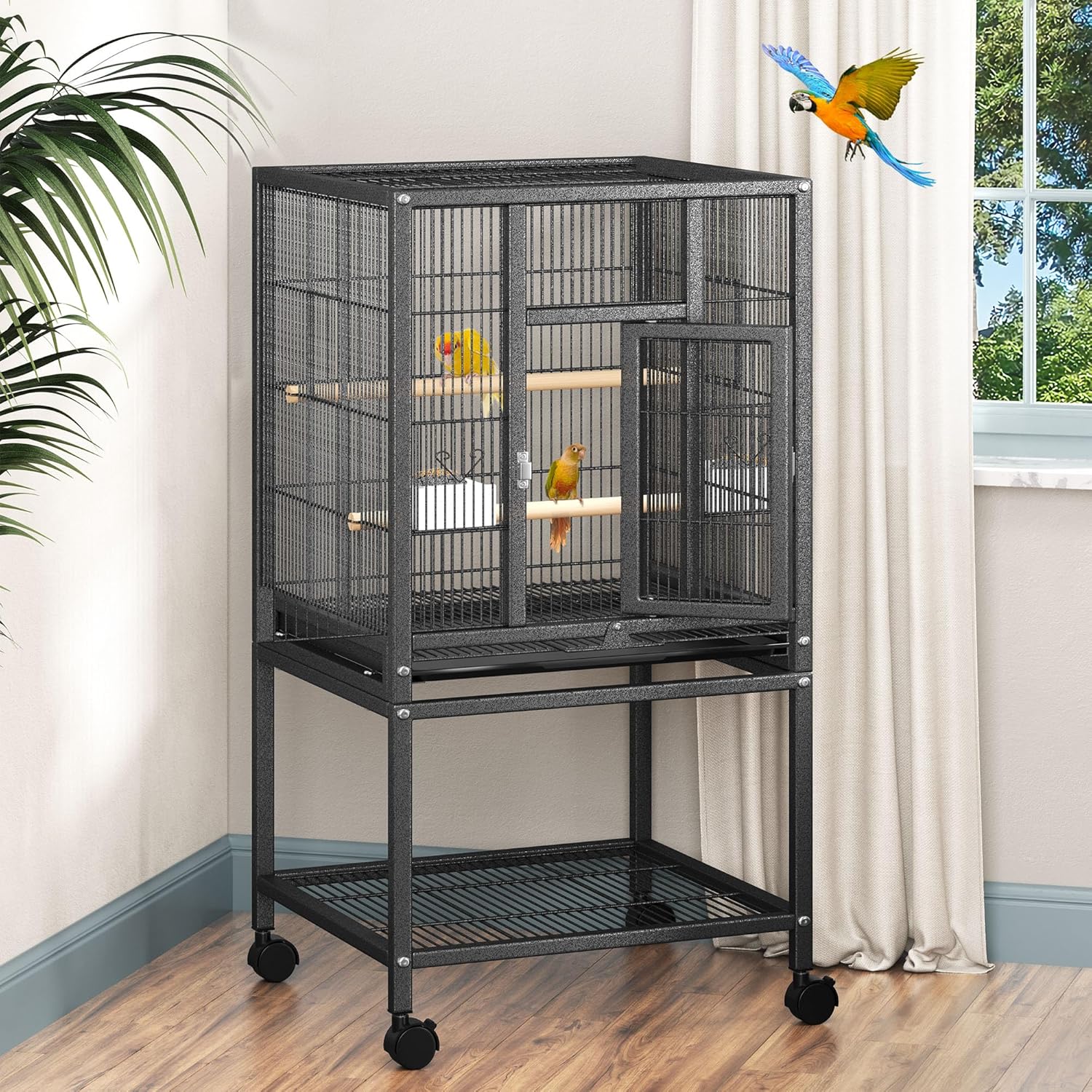
Pros
- Large vertical space
- Easy-clean pull-out tray
- Locking mobility wheels
- Suitable for multiple bird types
- Indoor and outdoor use
Cons
- Assembly likely required
- Wood needs weather care
- Not ideal for very large parrots
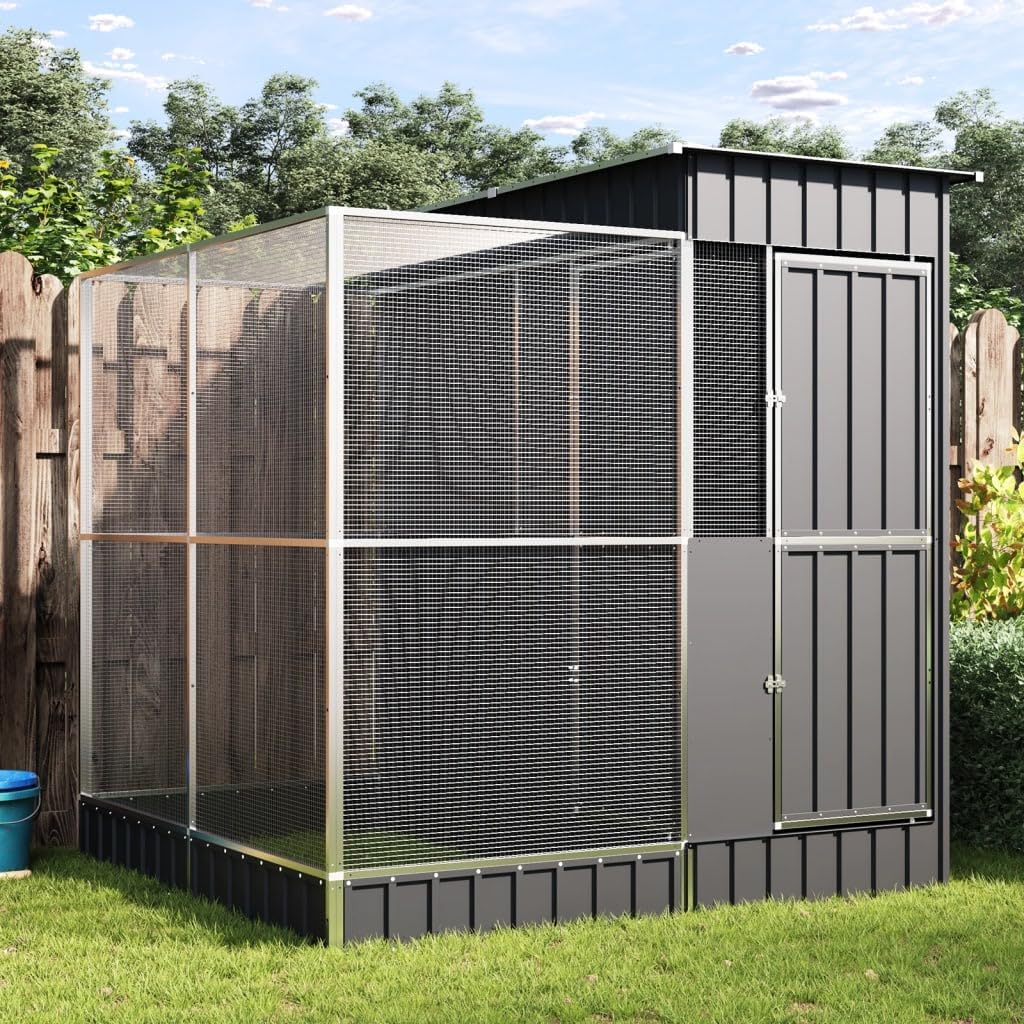
Pros
- Very spacious enclosure
- Corrosion-resistant galvanized steel
- Lockable door for security
- Good airflow and visibility
- Chewproof construction
Cons
- Large footprint needs space
- Heavy to move
- Roof needs winter snow clearing

Pros
- Huge interior space
- Easy-access double doors
- Rust-resistant iron frame
- Good for multiple birds
- Indoor aviary style
Cons
- Requires assembly help
- Not suitable for outdoor rain
- Mixed reports on durability

Pros
- Tall, roomy vertical design
- Easy-access doors
- Lockable rolling wheels
- Pull-out cleaning tray
- Good for small birds
Cons
- Not ideal for hookbills
- Wood may need protection
- Assembly required

Pros
- Walk-in aviary size
- Secure bar spacing
- Double-door access
- Includes bowls and perch
- Durable metal build
Cons
- Very heavy to move
- Not rainproof outdoors
- Food cups may need upgrading
Size and walk in access
Size changes everything because parrots do not just sit quietly in a corner. They climb, flap, turn around, and test every surface, so a cramped enclosure can quickly become frustrating.
Walk in designs are the easiest to clean and the easiest to live with when you have larger birds. If your space allows it, a full height aviary usually creates a calmer routine and makes daily care less awkward for you.
For smaller patios or tighter yards, measure the footprint before you compare anything else. The best parrot cage for large parrots is useful if you are trying to match bird size to enclosure capacity.
Bar spacing and escape security
Bar spacing is one of the most important safety details because it controls whether a bird can squeeze through or get stuck. Larger parrots need secure spacing that matches their body size and beak strength.
Locking doors matter just as much as spacing, especially if children, visitors, or frequent feeding routines are involved. A cage can look sturdy on paper, but weak latches or wide gaps undermine that security fast.
When in doubt, choose the enclosure that gives more security margin rather than less. You want enough room for comfort, but not so much openness that your bird can exploit the structure.
Weather resistance and frame material
Outdoor cages need to handle sun, rain, and humidity without turning into a maintenance headache. Powder-coated steel and galvanized steel are often better for long-term exposure than untreated materials.
Wooden aviaries can still work well, but they need more care and usually make more sense in covered locations. If your cage will sit fully exposed, durability should weigh heavily in your decision.
The right material also affects how long hardware, trays, and mesh stay usable. That is one reason we look closely at construction details in our chewing toy recommendations, because strong beaks and strong weather both punish weak build quality.
Cleaning access and daily maintenance
If a cage is hard to clean, you will eventually clean it less often than you should. That creates odor, mess buildup, and unnecessary stress for both you and your bird.
Pull out trays, feed doors, and wide access panels make the biggest difference in routine care. For walk in aviaries, think about whether you can reach corners comfortably and whether debris falls where you can remove it quickly.
A simple maintenance checklist helps. Look for removable trays, doors that open without fighting the frame, and surfaces that rinse or wipe down without trapping waste.
| Feature | Why it matters |
|---|---|
| Pull out tray | Speeds up daily cleanup and reduces mess buildup |
| Feed door | Lets you refill bowls without opening the main entry |
| Walk in access | Makes deep cleaning and bonding much easier |
| Removable mesh or liner | Helps you keep the enclosure sanitary with less effort |
Bird comfort, enrichment, and airflow
Good outdoor housing should feel active, not just secure. Birds need perches, room to climb, and enough ventilation to stay comfortable through changing temperatures.
Enrichment matters because a bored parrot will often chew, pace, or scream more. A cage that supports multiple perch levels, feeding zones, and space for toys is usually easier to live with long term.
If you are comparing setups for smaller species, our best parrot cage for small birds can help you think through comfort versus security in a more focused way.
Mobility and placement flexibility
Wheels are not essential, but they can transform how useful a cage feels in daily life. Being able to move the enclosure helps you shift between shade, sun, and sheltered storage without lifting heavy materials.
This matters especially if you like to bring birds closer to family activity during the day and move them back to a quieter spot at night. Mobility also helps during seasonal cleaning, weather changes, and yard rearrangements.
Still, rolling convenience should never outrank structural stability. The cage should stay steady when parked, with brakes that actually hold and wheels that move smoothly on your surface.
Best use case for each style
The right choice depends on whether you are housing one bird, a pair, or a whole flock. Walk in metal aviaries usually suit larger parrots and owners who want easier cleaning, while wooden cages can make sense for covered outdoor use and smaller birds.
If you want the broadest comparison of enclosure styles, the current best parrot cages is a practical next stop. It helps you compare roominess, materials, and long term convenience without guessing.
Why You Should Trust Us
We evaluate each product using the details the manufacturer provides, then compare those claims against the needs of outdoor bird housing. That means we focus on structure, access, spacing, materials, and practical use rather than vague marketing language.
Our goal is to help you narrow the field quickly and responsibly. We do not assume a cage is suitable just because it looks large, and we do not recommend a design unless the features support real day to day bird care.
Final Thoughts
For the strongest overall option, we like the Extra Large Walk-in Round Bird Cage for Parrots because it combines walk in access, secure outdoor materials, and easy maintenance features in one balanced design. It is the kind of enclosure that makes everyday care feel simpler without giving up room for active birds.
If you want the best value, the Gowoodhut 68.8" L Outdoor Bird Aviary stands out for its lower barrier to entry and mobile layout. It is especially appealing if you want a practical outdoor setup for smaller birds without committing to a massive walk in build.
For a specific heavy duty choice, the Galvanised Steel Large Bird Cage with Extension is the pick we would consider for owners who prioritize maximum durability and a larger extended footprint. If you are still comparing styles, our large parrot cage guide can help you decide which format suits your birds best.
FAQs
What should I look for in a best outdoor parrot cage in 2026?
Start with size, bar spacing, and weather-resistant construction, because those three factors drive most of the real-world difference. After that, look at how easy it is to clean and whether the layout suits your bird’s activity level.
Is a walk in aviary better than a standard cage?
For many larger parrots, yes, because a walk in aviary usually offers easier cleaning and more usable space. It also tends to make feeding and bonding less awkward for the person caring for the bird.
Can outdoor parrot cages stay outside all the time?
Only if the materials, roof coverage, and placement are appropriate for your climate. Even then, it is smart to monitor exposure to rain, direct sun, and strong wind so the enclosure stays safe and comfortable.
How do I choose the right bar spacing for parrots?
Use your bird’s size and beak strength as the guide, not the marketing photos. If the spacing is too wide, you increase escape risk, and if it is too narrow, some birds may feel cramped.
Which materials are best for outdoor bird cages?
Powder-coated steel and galvanized steel are usually strong choices for outdoor use because they resist corrosion better than softer or untreated materials. Wood can work too, but it generally needs more protection and more frequent inspection.
How often should I clean an outdoor aviary?
Light cleanup should happen often enough to keep droppings, food waste, and damp debris from building up. A deeper cleaning schedule depends on bird count, weather exposure, and how easy the cage is to access.
What is the most secure style among best outdoor parrot cage options?
Security usually comes from a combination of sturdy frame material, proper bar spacing, and a lockable door system. If one of those areas is weak, the whole enclosure becomes less dependable.
Which product is easiest to manage for first time outdoor bird owners?
A model with wheels, accessible feed doors, and a pull out tray is often the easiest to live with. That combination reduces strain during feeding and cleanup, which matters when you are still building a routine.
Where can I compare more bird housing options?
You can expand your search with our best parrot cages, which helps you compare outdoor and indoor-friendly styles in one place. It is a useful next step if your birds need a different setup than a full aviary.



Write Your Review
No reviews yet. Be the first to share your experience!