

If you want a cage that works comfortably inside your home, the details matter more than flashy styling. The right choice for best parrot cage for indoor use should balance space, cleaning, mobility, and bird safety in a room-friendly footprint.
We compared 3 options from Yaheetech, DWVO, and YITAHOME, then focused on practical features that affect daily ownership. For readers comparing cage styles with other bird supplies, our best parrot cages is a useful place to continue researching.
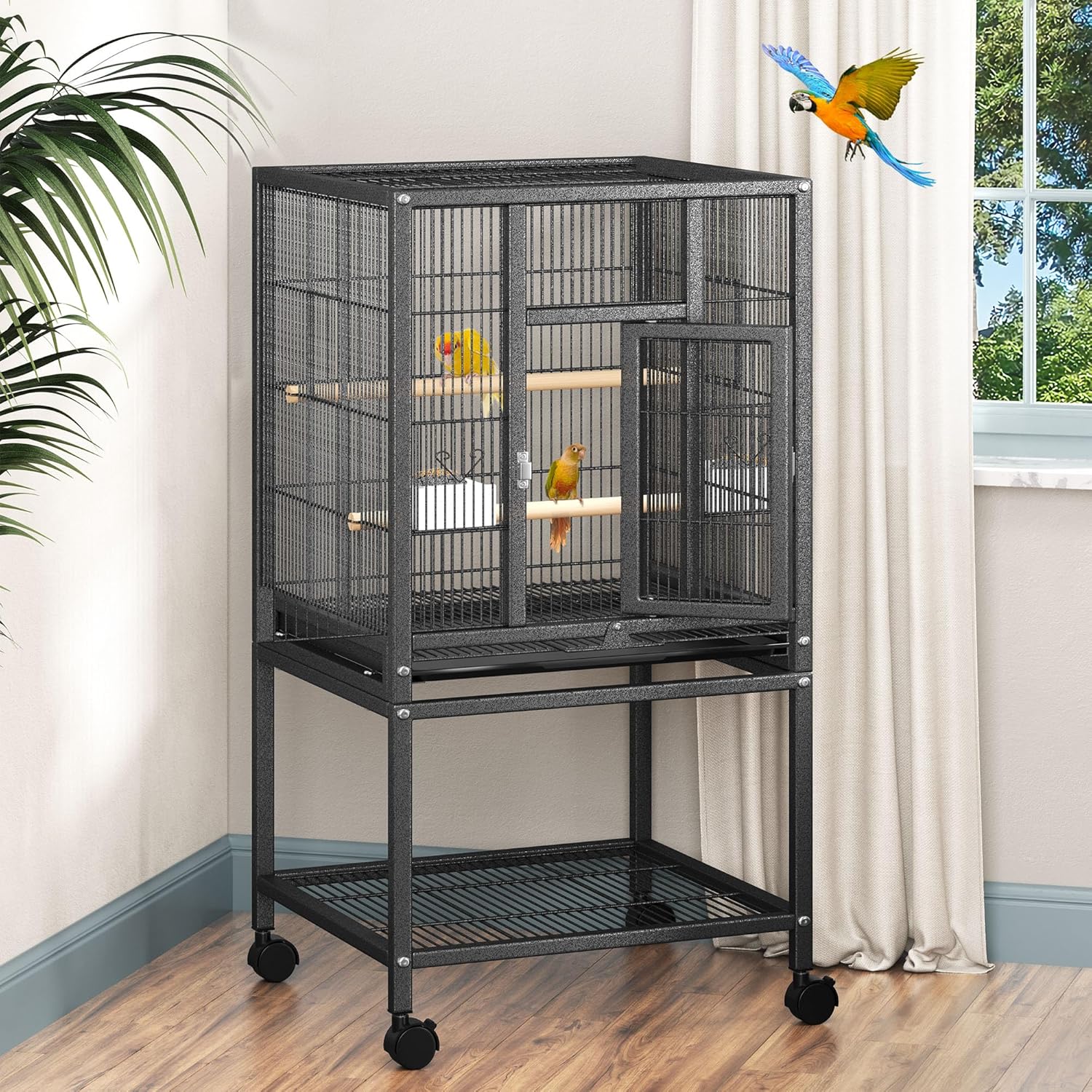


Size and interior comfort
Start with the bird, not the room decor. A cage should let your parrot turn around easily, stretch its wings, and move between perches without crowding feeding areas.
For indoor use, footprint matters as much as height because the cage must fit beside furniture, windows, and walkways. If you are choosing for a smaller bird, a more compact cage can still work well, while larger species usually need extra horizontal room and stronger bars.
One practical rule is to compare usable interior width first, then look at perch placement and door access. A cage that is tall but narrow often looks impressive while limiting real movement inside.
Safety locks and bar spacing
Birds are curious, and smart parrots can learn weak latches quickly. Secure door locks help prevent escapes, especially when family members are moving in and out of the room.
Bar spacing should match your bird’s head size and species, because spacing that is too wide can create escape risk. Smaller parrots need tighter spacing, while medium birds can usually handle a little more room between bars.
If you keep more than one bird, check that food doors, top doors, and main access points all close firmly. For more cage planning ideas, our best parrot cage for small birds explains how sizing changes with species.
Cleaning design and mess control
A bird cage that is hard to clean usually becomes a chore you delay, which is bad for hygiene and daily enjoyment. Slide-out trays, removable panels, and seed catchers make routine cleanup far less frustrating.
Indoor cages should also control feather and food scatter so the surrounding room stays livable. A good tray design reduces the time you spend vacuuming, and a well-fitted guard can keep debris from reaching walls and floors.
Think about how often you want to wipe surfaces, dump trays, and reset perches. The easier the maintenance, the more likely you are to keep the cage fresh and comfortable for your bird.
Mobility and stand stability
Rolling stands are especially helpful indoors because they let you move the cage for cleaning, sunlight, or social time. That flexibility matters if your bird’s routine changes during the day.
Wheels should roll smoothly but also lock securely once the cage is in place. Without good brakes, a cage can shift when a bird climbs, which creates avoidable stress and safety concerns.
If you plan to reposition the cage often, check that the base feels balanced and the stand supports the full structure well. A stable rolling cage is better than a heavier model that becomes awkward to move and clean around.
Materials, finish, and long-term durability
Indoor cages should resist rust, stains, and frequent wiping because daily bird care creates moisture and debris. Powder-coated iron and other durable metal finishes tend to hold up better than flimsy materials.
Durability also affects how safe the cage feels over time. If the bars bend easily or the finish chips fast, you may end up replacing the cage sooner than expected.
Look closely at joints, tray rails, and door frames, since those areas take the most wear. A stronger structure usually supports better security, easier cleaning, and a longer useful life inside your home.
Extras that improve daily use
Accessories can make a cage feel ready to use, but only if they match how you care for your bird. Food boxes, perches, covers, and storage racks can save time when they are thoughtfully integrated.
For example, a cover that blocks excess light can help create a calmer rest period, while storage underneath keeps supplies organized. If you are pairing a cage with other indoor accessories, our best parrot water bottle covers another small item that affects daily convenience.
| Feature | Why it matters indoors | What to prioritize |
|---|---|---|
| Size | Determines comfort and movement | Room to turn, perch, and stretch |
| Locks | Prevents escapes and accidental openings | Secure doors and feeder access |
| Cleaning access | Makes upkeep realistic | Slide-out tray and removable panels |
| Mobility | Helps with sunlight and cleaning | Rolling stand with locking wheels |
| Materials | Affects durability and hygiene | Rust-resistant metal construction |
Why You Should Trust Us
We built this guide by comparing product specifications, cage dimensions, safety features, and owner-focused design details. That approach helps us separate marketing language from the features that really matter in everyday indoor use.
We also weigh practical ownership concerns like cleaning effort, stand stability, and room placement, because those factors shape long-term satisfaction. Our goal is to help you choose a cage that fits your bird and your routine, not just a product that looks good in photos.
Final Thoughts
For most households, the best overall choice is the DWVO 41-inch Metal Bird Cage because it balances compact indoor sizing, easy mobility, and simple cleaning. It is a smart fit when you want a neat cage that still gives smaller birds enough room.
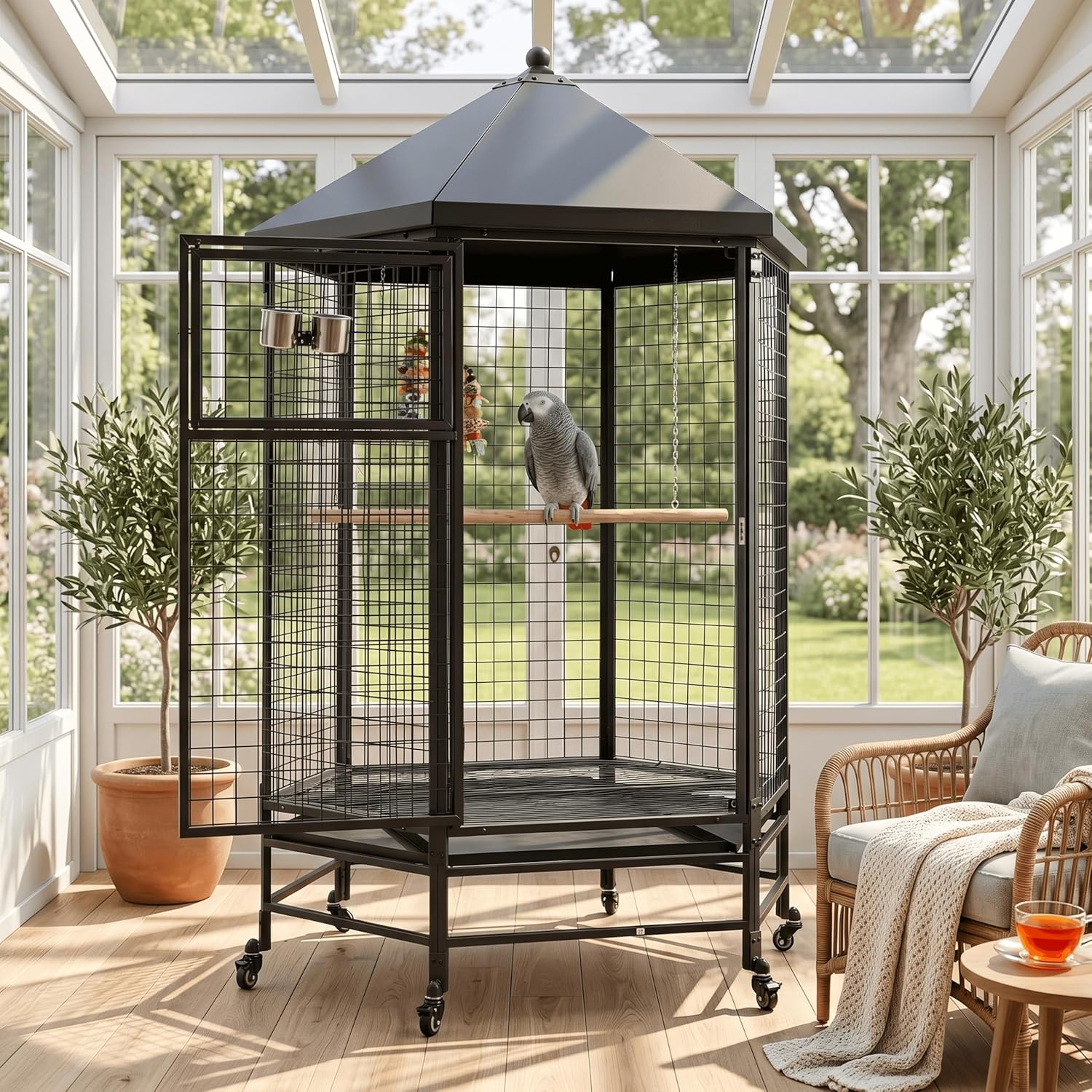
If you want the best value, the YITAHOME 53.9 inches Metal Bird Cage stands out with useful indoor features like the seed catcher, cover, and storage-friendly stand. For a stronger choice for larger birds and more interaction, the Yaheetech Extra Large Bird Cage 63” Open Play Top is the pick we would use for a bigger, more active setup.
If you are still comparing cage styles, our best parrot cage for large parrots can help narrow the choice, and best parrot toys for chewing is worth reading if you are planning the full setup.
FAQs
What size is right for a best parrot cage for indoor use in 2026?
The right size depends on your bird’s species, wingspan, and how much time it spends inside the cage. Smaller parrots can do well in more compact designs, while larger birds need more interior movement and stronger structure.
Which features matter most in a best parrot cage for indoor use?
Start with safety locks, usable interior space, and easy cleaning access. After that, look at mobility, durable materials, and any extras that make daily care simpler for you and calmer for your bird.
Are rolling cages better for indoor bird care?
Rolling cages are often more convenient indoors because you can move them for cleaning, natural light, or family activity. The key is making sure the wheels lock well so the cage stays stable once placed.
How do I keep an indoor parrot cage cleaner?
Choose a model with a slide-out tray, removable panels, and some form of seed or mess containment. A regular cleaning routine is easier to maintain when the cage is designed to support it from the start.
Is an open play top useful for indoor parrots?
Yes, if your bird is supervised and enjoys more interaction outside the cage. An open play top can add enrichment, but it should still lock securely when the cage is unattended.
What is the safest bar spacing for indoor cages?
Bar spacing should fit your bird’s size closely enough that it cannot push through or trap its head. When in doubt, match the spacing to the species recommendations from the cage maker and choose the more cautious option.
Can one cage work for multiple birds?
It can, but only if the cage is large enough for all birds to move comfortably and avoid crowding. More birds also mean more attention to feeding space, perches, and cleaning frequency.
How often should I upgrade my bird’s cage?
Upgrade when the cage becomes too small, too hard to clean, or no longer matches your bird’s behavior and safety needs. A better cage can improve both comfort and routine care, especially as your bird grows or becomes more active.


Write Your Review
No reviews yet. Be the first to share your experience!