

Parrots are incredibly sensitive to environmental changes, making a reliable best parrot temperature monitor a vital investment for any dedicated bird owner. These tropical creatures require stable conditions to avoid the risks of overheating or chilling, which can happen quickly in drafty rooms or near sunny windows. Monitoring the air quality is just as important as choosing the best water bowl for parrots for their daily hydration needs.
In this guide for October 2026, we look at 9 different models that provide real time data and smartphone alerts to protect your pets. Whether you have a single parakeet or a room full of macaws, these devices ensure you never have to guess about their comfort levels. By integrating smart technology into your bird room, you can respond to furnace failures or AC malfunctions before they become life threatening emergencies for your avian companions.




Alert Systems and Connectivity
The primary reason to install a best parrot temperature monitor is to receive immediate notification when conditions become dangerous. Look for devices that offer Wi-Fi or Bluetooth connectivity to send push notifications directly to your smartphone. This ensures that even if you are at work or running errands, you will know if the temperature in the bird room spikes or drops beyond safe limits.
Some systems allow for multiple sensor pairings, which is ideal if you have birds in different rooms or separate cages. When setting up your alerts, remember that a clean environment is also key, so consider using a best no spill parrot food bowl to keep the area around your sensors free from debris. Reliable connectivity prevents the anxiety of leaving your birds alone for extended periods during extreme weather seasons.
Sensor Accuracy and Refresh Rates
Precision is non-negotiable when dealing with the delicate respiratory systems of parrots. A high quality monitor should have a Swiss made or equivalent high precision sensor that offers accuracy within a fraction of a degree. Even a slight discrepancy in readings can lead to improper climate adjustments that might stress your bird.
Refresh rates are equally important for capturing sudden fluctuations. A device that updates every two to ten seconds is far superior to one that only checks the air every few minutes. Fast updates allow you to see the immediate impact of opening a window or turning on a space heater, providing a clearer picture of the micro-climate inside the cage.
Mounting and Bird-Proof Design
Parrots are notoriously curious and destructive with their beaks, so the monitor must be either inaccessible or extremely durable. Some monitors feature specialized screw mounts designed to attach directly to cage bars, keeping the unit stable and out of reach of prying beaks. Others use magnetic cases or lanyard loops that allow for versatile placement outside the cage mesh.
If you place the sensor inside the cage, ensure it is made from non-toxic materials and has no small parts that could be chewed off. Just as you would select the best bird water bottle for parrots for its safety features, the monitor should be positioned to avoid interference with the bird’s movement or daily activities.
Data Logging and Historical Trends
Short term monitoring is helpful, but long term data logging allows you to spot patterns in your home’s insulation or heating efficiency. Many smart monitors store up to two years of data that can be exported as a CSV file. This information is invaluable for identifying if the bird room gets too cold every night at 3 AM or if the humidity drops significantly during the winter months.
Visualizing these trends through app-based graphs helps you make informed decisions about where to place cages. You might find that one corner of the room is consistently five degrees colder than the rest. Using this data alongside a best parrot feeding station setup ensures your bird is living in the most stable part of your home.
Humidity Monitoring Capabilities
Parrots originate from humid environments, and dry indoor air can lead to itchy skin and feather plucking. A combined thermo-hygrometer is essential for tracking moisture levels alongside heat. Maintaining humidity between 40 percent and 60 percent is generally recommended for most species to keep their nasal passages clear and feathers vibrant.
Advanced monitors can even trigger other smart home devices. For instance, if the humidity drops below a certain threshold, the monitor can signal a smart plug to turn on a humidifier. This level of automation creates a self-regulating sanctuary for your parrots, reducing the manual labor involved in their daily care.
Why You Should Trust Us
Our team focuses on objective data analysis to provide the most accurate recommendations for pet safety. We understand that avian care requires specialized equipment, so we evaluate products based on technical specifications, sensor reliability, and user feedback from the bird-keeping community. We do not accept free products in exchange for positive reviews, ensuring our guidance remains unbiased.
By comparing refresh rates, battery longevity, and app functionality across 9 models, we identify which devices actually perform in a home environment. Our goal is to provide you with the information needed to create a safe, stable habitat for your pets, backed by transparent research and long term performance metrics.
Final Thoughts
For those seeking the most comprehensive protection, the X-Sense Smart Wi-Fi Temperature and Humidity is our best overall pick. Its ability to link up to 50 sensors and provide high precision data makes it perfect for large aviaries or multi-room setups. The remote alerts are robust, ensuring you are always connected to your birds’ environment.
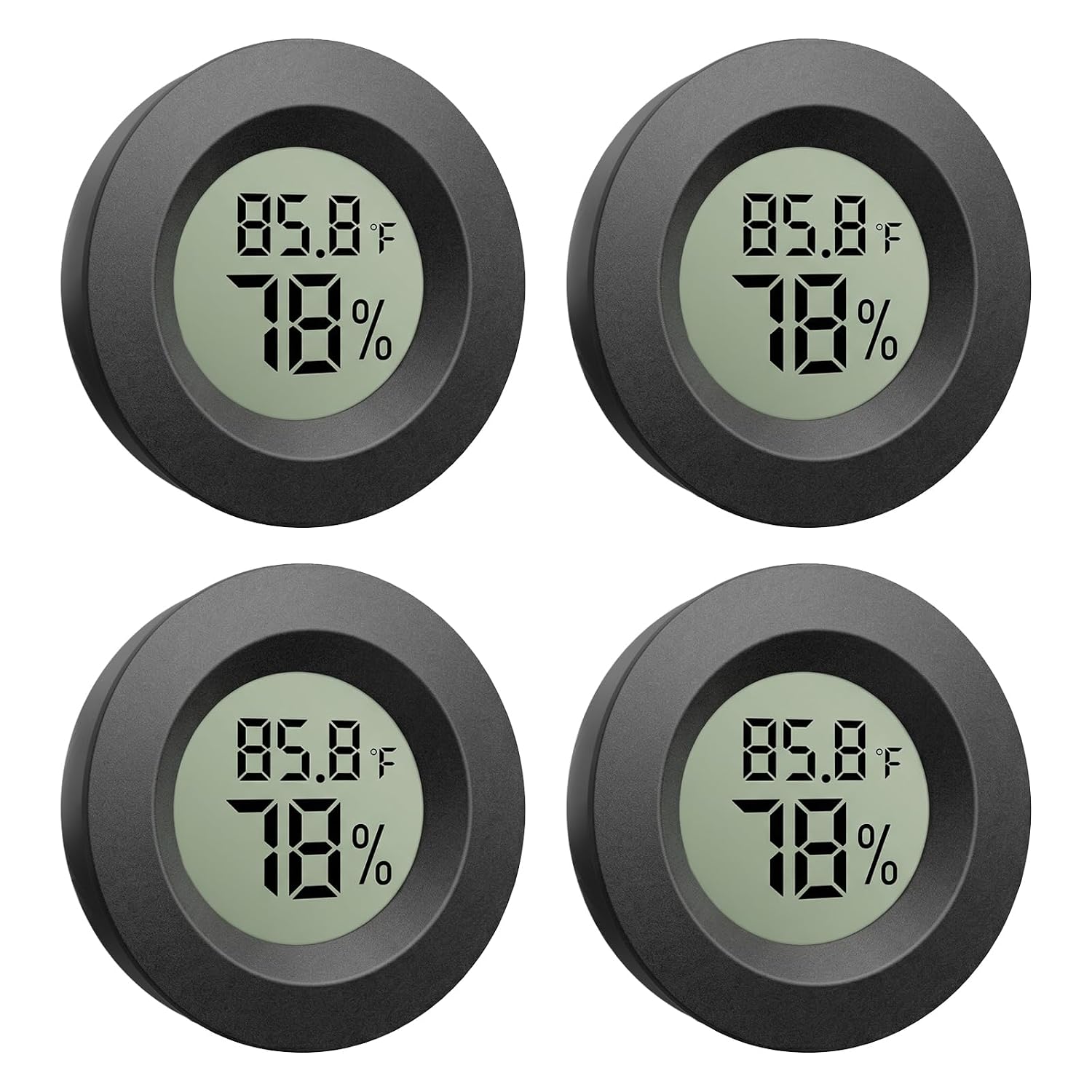
If you need a dedicated cage-mounted solution, we recommend the Bird Cage Thermometer,Parrot Cage Hygrometer,Pet. Its secure screw-mount design is specifically built for cage bars, providing a stable reading right where your bird spends most of its time. It is a practical and straightforward choice for those who prefer local displays over complex app integrations.
For a budget friendly yet powerful option, the Govee Indoor Hygrometer Thermometer H5075 offers incredible value. It provides the same high precision sensors found in more expensive models and includes a clear LCD screen for quick checks. No matter which you choose, adding a best parrot temperature monitor to your setup is a significant step toward professional level avian care.
FAQs
Where is the best place to put a best parrot temperature monitor in 2026?
The monitor should be placed at the same height as your parrot’s favorite perch but ideally outside the reach of their beak. Placing it near a best stainless steel parrot bowls area can help you monitor the climate where they spend significant time eating and resting.
Do I need Wi-Fi for a parrot temperature monitor to work?
While basic models work with just a local display, Wi-Fi is essential if you want to receive alerts while you are away from home. Bluetooth models offer app connectivity but only within a limited range, usually around 160 to 260 feet.
What is the ideal temperature range for most parrots?
Most parrots thrive in temperatures between 65 and 80 degrees Fahrenheit. If your monitor shows the cage area dropping below 60 or rising above 85, you should take immediate action to adjust your home’s climate control.
Can these monitors help prevent feather plucking?
Yes, by monitoring humidity levels, you can ensure the air isn’t too dry, which is a common cause of skin irritation. Keeping humidity above 40 percent helps maintain skin health and may reduce the urge to pluck due to dryness.
How often should I change the batteries in my monitor?
Most high quality monitors for 2026 have a battery life ranging from six months to a year. Many smart models will send a low battery notification to your phone so you can replace them before the device shuts down.
Is a best parrot temperature monitor safe to put inside the cage?
It is only safe if the device is specifically designed with a secure mount and non-toxic housing. For most owners, mounting the sensor on the outside of the bars facing inward is the safest way to get an accurate reading without risking the device being destroyed.
Can one monitor cover an entire bird room?
While one sensor gives a general idea, heat often pockets in certain areas. For a large room, using a system that supports multiple sensors allows you to track the temperature near the window, the door, and the cage for a complete safety profile.


Write Your Review
No reviews yet. Be the first to share your experience!