

Captive birds often suffer from a lack of natural sunlight, which can lead to feather plucking, lethargy, and poor calcium absorption. Selecting the best parrot cage light for 2026 is a critical step in maintaining your pet’s circadian rhythm and overall psychological well-being. These specialized lamps provide the specific wavelengths that standard household bulbs simply cannot replicate.
In this guide, we examine 6 top-rated solutions ranging from $17.99 – $109.99 to help you find the perfect fit for your setup. Whether you are managing a small budgie cage or a large macaw enclosure, proper lighting is just as essential as choosing the best water bowl for parrots for their daily care routine.

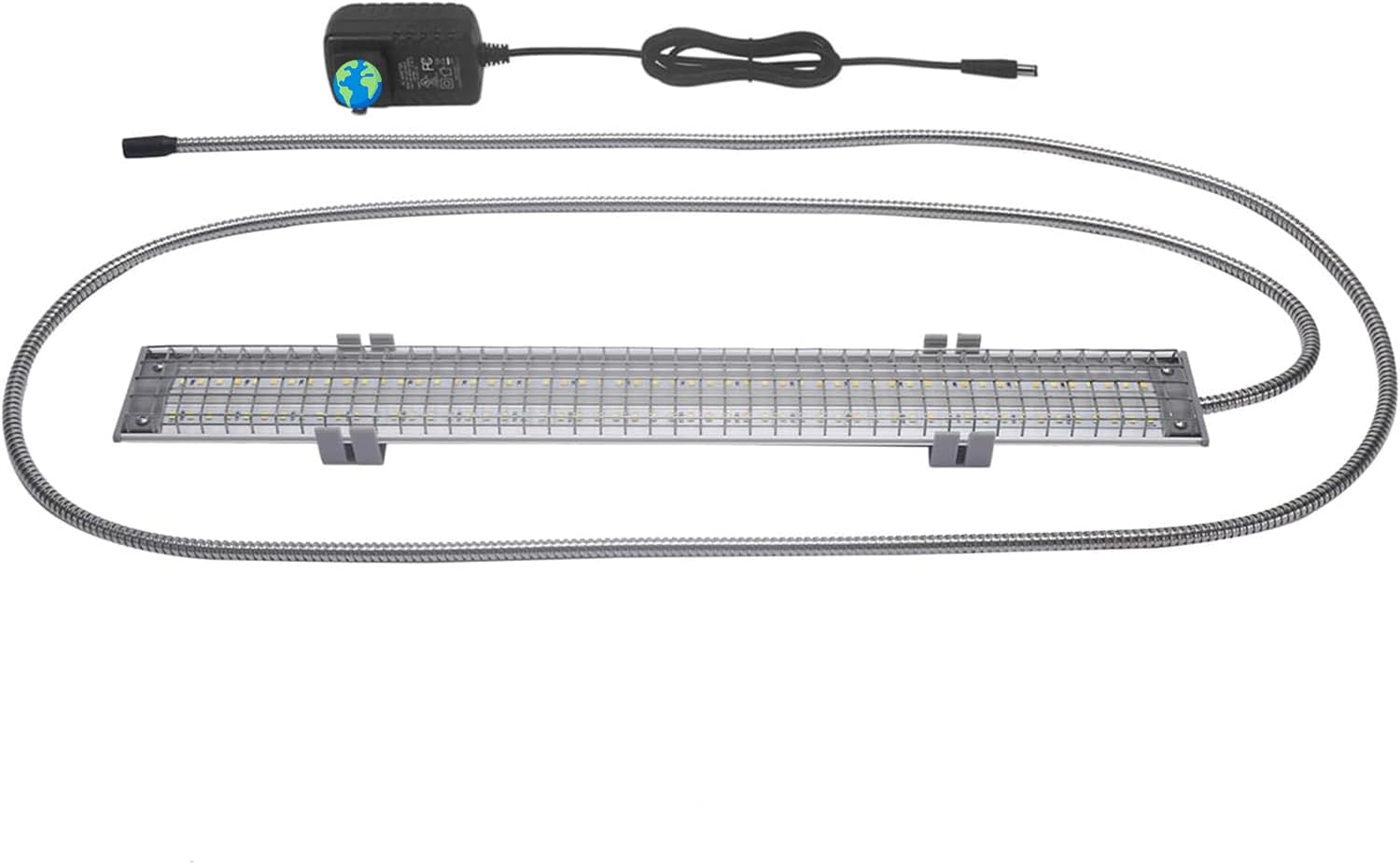
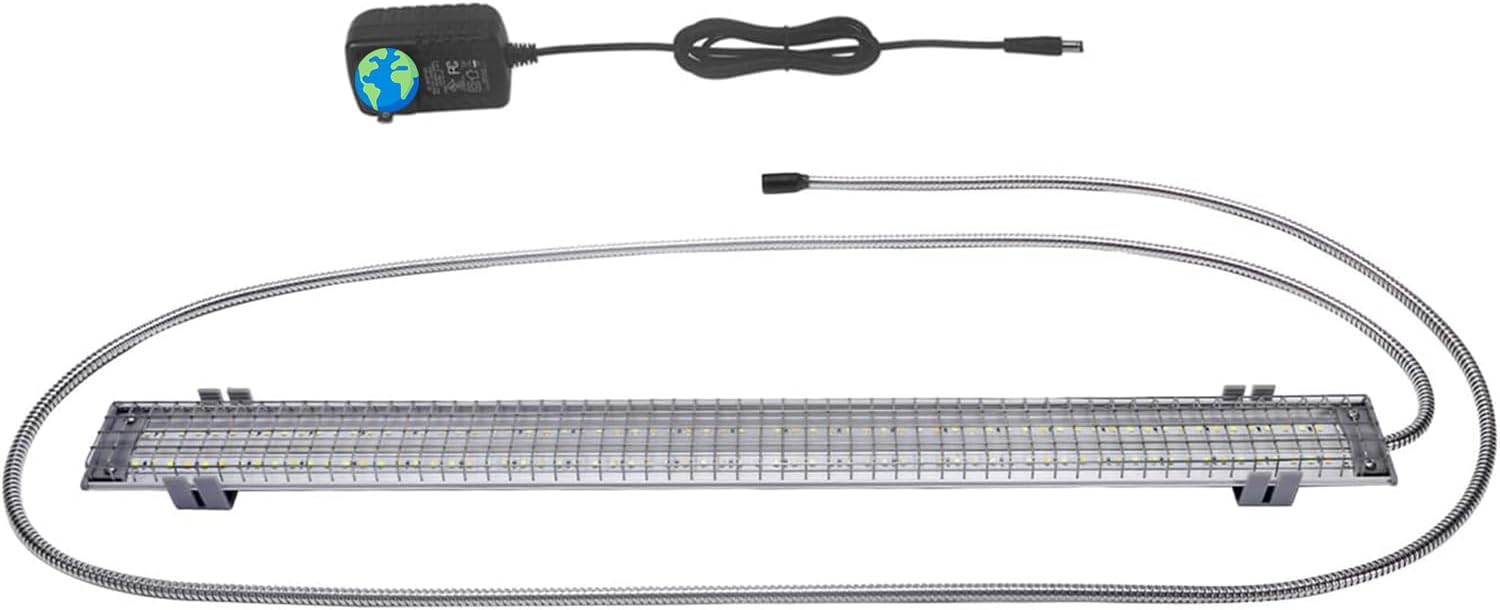

Pros
- Promotes Vitamin D3 synthesis
- Fits standard E26 sockets
- Prevents metabolic bone disease
- Vibrant natural color rendering
- Affordable full spectrum lighting
Cons
- Occasional buzzing during break-in
- High heat output during operation
- Not compatible with dimmers


Light Spectrum and UV Output
The most important factor when shopping for the best parrot cage light is the spectrum of light emitted. Birds see a wider range of colors than humans, including the ultraviolet spectrum. A true full-spectrum light should include safe levels of UVA and UVB to help birds synthesize Vitamin D3, which is vital for calcium metabolism.
Be cautious of lights that claim to be full spectrum but only offer a high CRI (Color Rendering Index) without actual UV output. While high CRI makes your bird’s feathers look beautiful, it does not provide the biological benefits of UVB. You should aim for a UVB percentage around 2.4 percent for most tropical parrot species to avoid eye damage while still providing health benefits.
Chew Protection and Safety Features
Parrots are notorious for their curiosity and powerful beaks, making safety a top priority. Any light fixture placed near a cage must have a reinforced power cord, often referred to as a chew guard. Stainless steel or heavy-duty plastic shielding prevents your bird from reaching the electrical wires, which could lead to fatal shocks.
Additionally, the mounting hardware must be secure enough to withstand shaking or climbing. Just as you would look for durability in best stainless steel parrot bowls, your lighting fixture should be built with bird-safe materials that do not off-gas toxic fumes when the bulb heats up during use.
Timer and Dimmability Functions
Consistency is key for a bird’s hormonal health. A light that features a built-in timer or one that can be connected to an external smart plug allows you to simulate a natural photoperiod. Ideally, your parrot should receive 10 to 12 hours of light followed by a period of total darkness to prevent hormonal triggers and aggression.
Dimmable settings are also highly beneficial for transitioning between day and night. A sudden “lights out” can startle a bird, potentially leading to night frights. Models with a gradual sunrise and sunset feature provide a much more natural experience, helping your bird settle down for sleep peacefully.
Heat Dissipation and LED Efficiency
Traditional fluorescent bulbs can get quite warm, which might be uncomfortable if the light is mounted too close to a perch. Modern LED fixtures are generally preferred for the best parrot cage light because they remain cool to the touch and use significantly less energy. This efficiency is important for a device that will be running for half of every day.
Check the housing design to ensure there are adequate vents for heat to escape. Excessive heat can shorten the lifespan of the internal components and the LED chips themselves. A well-designed lamp will provide consistent light for thousands of hours without losing its spectral quality or posing a fire risk to your home.
Why You Should Trust Us
Our team at BirdNestly focuses on objective data analysis and technical specifications to help bird owners make informed decisions. We understand that avian health is sensitive, and choosing the wrong equipment can have long-term consequences for your pet. We analyze manufacturer data, spectral charts, and real-world feedback to determine which products meet the safety standards required for hookbills.
We do not accept free products in exchange for positive reviews. Our recommendations are based on a comparison of features, safety ratings, and durability. Our goal is to provide a transparent resource that prioritizes the welfare of your parrots above all else, ensuring you spend your budget on gear that actually works.
Final Thoughts
After reviewing the top options, we recommend the HappyBird Lighting Bird Cage Light with Chew Guard as the best overall choice for larger cages. Its dedicated chew guard and high-quality spectrum make it a gold standard for safety-conscious owners. For those with smaller setups or budget constraints, the GlowUp 10W Bird Cage Light offers excellent value with its dimmable settings and built-in timer.
If you prefer a bulb-only solution for an existing fixture, the UVA UVB Light Bulb for Birds 2.4 UVB 20W provides a reliable spectrum for a variety of captive species. Remember that lighting is just one part of a healthy lifestyle; ensuring your bird has a clean environment with the Bird Lifestyle essentials is equally important for their happiness.
FAQs
How long should I leave the best parrot cage light on each day?
Most experts recommend providing 10 to 12 hours of light per day to mimic a tropical environment. Consistency is vital, so using a timer to turn the light on and off at the same time every day helps regulate your parrot’s hormones and sleep patterns.
Can I use a regular reptile light for my parrot?
No, you should avoid high-output reptile lights as they often emit UVB levels that are too intense for a bird’s sensitive eyes. Parrots require a lower, more balanced UV output specifically designed for avian physiology to prevent cataracts and skin irritation.
Where is the best place to mount the light on the cage?
The light should be mounted directly above the cage, usually about 12 inches away from the bird’s highest perch. Ensure the cord is safely tucked away or protected by a chew guard to prevent your bird from reaching it through the bars.
Does a parrot cage light help with feather plucking?
While not a cure-all, proper lighting can reduce stress and improve mood, which are common triggers for plucking. When combined with a healthy Bird Diet, full-spectrum light supports the production of Vitamin D3 and serotonin.
Do LED bird lights need to be replaced as often as fluorescent ones?
LED lights typically last much longer, often up to 30,000 hours. However, the UV output can degrade over time even if the light still looks bright to the human eye. It is generally recommended to replace the unit or bulb every 12 to 18 months for maximum health benefits.
What is the top-rated option among best parrot cage light in 2026?
The top-rated options currently feature full-spectrum LED technology with integrated timers and chew-proof cables. Brands like MMCageCompany and GlowUp are leading the market in 2026 by offering fixtures that prioritize both safety and biological accuracy.
Will these lights help my bird’s feathers look better?
Yes, full-spectrum lighting allows birds to see the natural fluorescence in their feathers, which encourages better preening habits. Additionally, the UVA rays help birds perceive colors more vividly, which can improve their appetite and social interactions.


Write Your Review
No reviews yet. Be the first to share your experience!