

Parrots need more than a food bowl and a perch if you want them active, curious, and settled at home. With practical parrot training tips and the right accessories, you can make the cage feel more like a usable enrichment space.
This guide to best parrot cage accessories focuses on one simple goal, helping you choose items that support chewing, climbing, foraging, and rest. In October 2026, the smartest choices are the ones that keep birds engaged without crowding the cage or creating frustration.

Safety and Bird-Safe Materials
Safety matters first because parrots chew, shred, and climb with constant contact. Look for bird-safe wood, bamboo, rattan, cotton rope, and paper-based components that are built for supervised use.
The YIXUND set combines rattan balls, popsicle sticks, beads, shredded paper, and a cotton rope perch, which gives variety without relying on overly hard surfaces. If you are choosing between accessories, skip anything with loose hardware, brittle plastic, or finishes that could flake.
Chewing and Foraging Value
Many parrots act out when they have nothing productive to do, so chewing and foraging should be high on your list. Accessories that hide treats or encourage shredding help direct that energy into healthier habits.
The Bird Toys Rope Perch with Bell Colorful Bird is designed around that idea, using a mix of textures and shapes to keep birds exploring longer. For birds that get bored quickly, a multi-part set usually beats a single simple toy because it creates more ways to interact.
Size, Fit, and Cage Layout
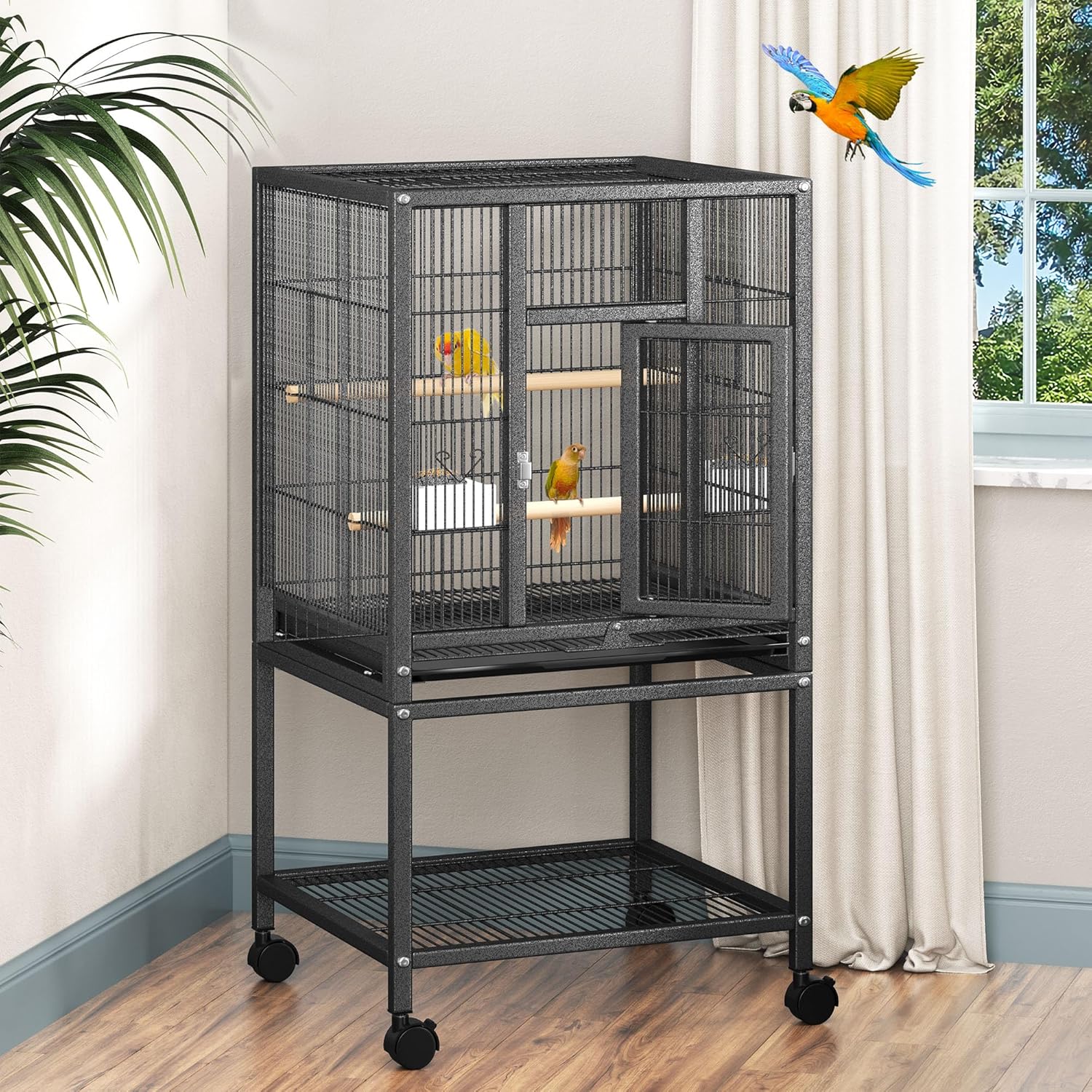
Accessories should fit the bird and the cage, not just the shopping cart. Small and medium parrots need enough room to move comfortably, while oversized toys can block access to feeders or crowd the perch line.
A useful rule is to leave clear movement lanes through the cage, especially around food, water, and resting spots. If you also need broader setup ideas, our parrot clicker training guide shows how environment and routine work together.
Climbing, Perching, and Comfort
Perches do more than hold a bird in place, because different textures support foot health and natural movement. A rope perch adds a softer resting option and gives birds another surface to climb and balance on.
That is where the included cotton rope perch stands out in this set, since it adds comfort without needing a separate purchase. If your parrot spends a lot of time in one area, mixing perch styles can make the cage feel more usable through the day.
Ease of Installation and Rotation
Easy installation matters because accessories that take too long to mount often stay out of the cage. Hanging hooks are especially helpful if you want to rotate toys regularly and keep the space feeling fresh.
Rotation also helps prevent boredom, which is why many owners keep a few accessories on standby. If you are building a fuller enrichment plan, the ideas in our guide to parrot screaming can help you connect behavior with environment.
Species Fit and Daily Enrichment Goals
Not every accessory suits every bird, even within the parrot family. This type of toy set is especially appealing for conures, cockatiels, budgies, lovebirds, and other small to medium birds that like chewing and climbing.
Think about your bird’s daily pattern before you buy. A bird that shreds constantly needs more destructible material, while a climber may benefit more from rope and layered hanging pieces that reward movement.
| Buying factor | What to look for | Why it matters |
|---|---|---|
| Materials | Bird-safe wood, rope, rattan, paper | Supports chewing and safer daily play |
| Layout | Hanging hooks and compact design | Keeps the cage usable and organized |
| Enrichment | Foraging and shredding elements | Reduces boredom and encourages natural behavior |
| Comfort | Rope perch or climbing surface | Adds rest, grip variety, and movement options |
Why You Should Trust Us
We evaluate bird accessories by reading product details closely, comparing materials, and judging how each item fits a real cage routine. That means we focus on enrichment value, setup practicality, and whether the design matches common parrot behaviors.
Our recommendations are data-driven, not hype-driven, and we avoid overstating what a product can do. When we point out strengths, we tie them to the listed features so you can make a clear choice with less guesswork.
Final Thoughts
For the best overall option, we like Bird Toys Rope Perch with Bell Colorful Bird because it combines chewing, climbing, foraging, and comfort in one compact set. That mix makes it especially useful if you want one purchase to do several jobs inside the cage.
For the best value, this same set stands out because it bundles multiple textures and a rope perch instead of forcing you to buy enrichment pieces one at a time. If you are still refining your setup, our step-by-step parrot training guide and parrot recall training can help you build better daily routines around the cage.
For the best for specific use, we would choose Bird Toys Rope Perch with Bell Colorful Bird for birds that need more shredding and climbing opportunities. It is a strong fit for conures, cockatiels, budgies, and lovebirds that benefit from frequent interaction and varied textures.
FAQs
What are the most useful best parrot cage accessories for everyday use?
The most useful accessories usually combine chewing, climbing, and foraging features in one cage-friendly layout. That gives your bird more to do without making the enclosure feel crowded.
Are rope perches good for parrots?
Rope perches can be helpful because they offer a softer resting surface and a different grip than wood. They also work well when a bird likes to climb and move through the cage from multiple angles.
How do I know if a toy is safe for my bird?
Choose bird-safe materials, secure hanging hardware, and designs without sharp edges or fragile pieces that break easily. It also helps to match the toy size to your bird so it can play without getting tangled or blocked.
How often should I rotate best parrot cage accessories in 2026?
Rotation depends on how quickly your bird loses interest, but regular changes usually keep the cage more engaging. Swapping a few items at a time often works better than replacing the whole setup at once.
What is the best parrot cage accessories setup for small parrots?
Small parrots usually do well with compact chew toys, a comfortable perch, and enough open space to move between stations. The goal is to give them choices without turning the cage into an obstacle course.
Can I use one accessory set for different bird species?
Yes, but you should still check the bird’s size, chewing style, and activity level before buying. A versatile set is often a good starting point, especially for families with similar small to medium birds.
How do I keep cage accessories from overwhelming the space?
Start with one or two enrichment items and leave clear routes to food, water, and resting areas. If you want more behavior help, our guide to why parrots bite explains how stress and boredom can show up in the cage.
Do parrots need shredding toys?
Many parrots benefit from shredding toys because they support natural chewing behavior and mental stimulation. Toys that break down safely can also help redirect energy away from furniture, cage bars, and other unwanted targets.
What should I look for first when shopping for best parrot cage accessories?
Start with safety, then move to enrichment value, cage fit, and ease of installation. Those four checks will usually tell you more than flashy colors or a long product title ever will.


Write Your Review
No reviews yet. Be the first to share your experience!