

Indoor environments often lack the specific wavelengths of light that birds evolved to thrive under in the wild. Finding the best full spectrum light for parrots is a critical step for any owner looking to support their pet’s natural behaviors and long-term health. These specialized lamps do more than just brighten a room; they provide the essential UV rays required for nutrient absorption and hormone regulation.
For October 2026, we have analyzed 5 different models to ensure your avian friends get the balanced spectrum they need. Whether you are setting up a new habitat or upgrading an old fixture, choosing the right equipment helps prevent common issues like feather plucking and vitamin deficiencies. You might also want to look into the best parrot feeding station to complete your bird’s habitat setup.

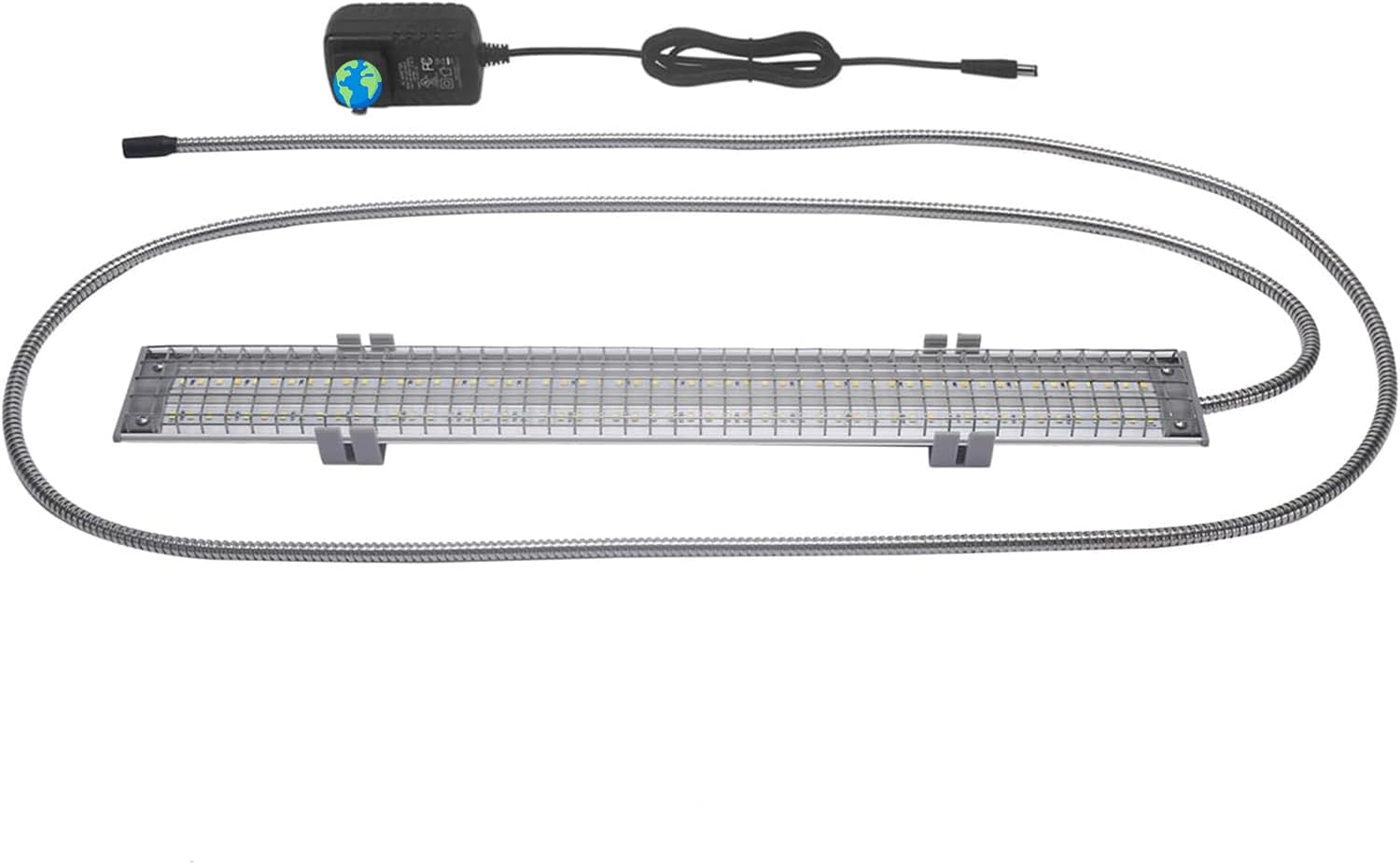

Pros
- Promotes Vitamin D3 synthesis
- Fits standard E26 sockets
- Prevents metabolic bone disease
- Vibrant natural color rendering
- Affordable full spectrum lighting
Cons
- Occasional buzzing during break-in
- High heat output during operation
- Not compatible with dimmers


UVB and UVA Output Levels
The most important factor when selecting a light for your bird is the specific balance of ultraviolet radiation. Birds require UVA light to see colors accurately and UVB light to synthesize Vitamin D3, which is necessary for calcium absorption. Without these wavelengths, parrots can develop metabolic bone disease or suffer from a weakened immune system.
When comparing models, look for a UVB percentage that is safe for avian eyes, typically around 2.4 percent. Higher levels intended for reptiles can be dangerous and may lead to cataracts or skin irritation in birds. Ensuring the light mimics natural sunlight helps maintain a healthy environment for your pet alongside other essentials like the best water bowl for parrots.
Safety Features and Chew Protection
Parrots are naturally curious and use their beaks to explore everything in their reach, including electrical components. A high-quality avian light must feature safety measures like chew guards or reinforced cables to prevent electrocution. If your bird is a known chewer, choosing a light with a stainless steel guard is a non-negotiable requirement for their safety.
Additionally, the mounting hardware should be sturdy enough to withstand the vibrations of a bird landing on the cage. Secure clamps and brackets ensure the fixture stays in place, preventing it from falling and causing injury. This level of security is just as important as choosing best no spill parrot water bowl for a clean and safe enclosure.
Color Rendering Index and Temperature
The Color Rendering Index, or CRI, measures how accurately a light source reveals the true colors of an object. For parrots, a CRI of 90 or higher is ideal as it allows them to see the vibrant colors of their own feathers and their food. This visual stimulation is vital for their psychological health and can even encourage better eating habits.
Light temperature, measured in Kelvin, should ideally fall between 5000K and 6500K to simulate natural daylight at noon. This crisp, white light helps regulate the bird’s circadian rhythm, telling them when it is time to be active and when it is time to rest. Proper lighting combined with the best bird water bottle for parrots creates a professional-grade care routine.
Integrated Timers and Dimming Functions
Consistency is key for avian health, as birds rely on a stable photoperiod to regulate their hormones. Lights with integrated timers allow you to automate the sunrise and sunset cycles, ensuring your bird gets enough rest even if you are not home. Sudden changes in light can be stressful, so gradual dimming features are a significant advantage.
Modern LED systems often include multiple brightness settings, allowing you to adjust the intensity based on the time of day or the specific needs of your bird species. This flexibility helps recreate a natural environment that supports breeding behaviors and overall vitality. Maintaining this routine is as essential as providing the best food bowl for parrots for their daily nourishment.
Why You Should Trust Us
Our team specializes in avian care and habitat optimization, focusing on the technical specifications that matter most to bird owners. We analyze spectral data, build quality, and safety certifications to provide objective recommendations that prioritize the health of your pets. Our goal is to simplify the complex world of avian lighting so you can make an informed decision with confidence.
We rely on transparent data and manufacturer specifications to compare these products, ensuring that the information we present is accurate and up-to-date. By focusing on the unique physiological needs of parrots, we help you avoid products that are either ineffective or potentially harmful to your bird’s sensitive eyes and skin.
Final Thoughts
After reviewing the top options, we recommend the HappyBird Lighting Bird Cage Light with Chew Guard as the best overall choice for most hookbill owners. Its proprietary LED technology and integrated chew guard provide a level of safety and spectrum accuracy that is hard to beat for long-term use. It is a premium investment that pays off in bird health and peace of mind.
For those seeking the best value, the UVA UVB Light Bulb for Birds 2.4 UVB 20W offers a reliable and affordable way to introduce essential UV rays into an existing lamp fixture. If you require advanced features like smart timing and adjustable brightness, the Full Spectrum LED Bird Cage Light with Timer is an excellent choice for maintaining a consistent daily routine for your parrots.
FAQs
Why do parrots need a best full spectrum light for parrots in 2026?
Parrots need these lights to synthesize Vitamin D3, which is essential for calcium absorption and bone health. Without natural sunlight or a full spectrum light, indoor birds can develop serious health issues like metabolic bone disease and feather picking.
How many hours a day should I leave the light on?
Most experts recommend providing 10 to 12 hours of light per day to simulate a natural tropical day cycle. It is important to maintain a consistent schedule, which is why many owners prefer lights with built-in timers.
Can I use a regular reptile UVB light for my parrot?
No, reptile lights often have much higher UVB outputs that can be damaging to a bird’s sensitive eyes. You should only use lights specifically designed for avian use, typically with a UVB rating around 2.4 percent.
How far away should the light be from the cage?
Generally, the light should be placed about 12 to 18 inches above the bird’s favorite perch. Placing it too close can cause heat stress, while placing it too far away reduces the effectiveness of the UV rays.
Do LED bird lights need to be replaced as often as fluorescent bulbs?
LED lights typically last much longer, often up to 30,000 hours, and maintain their spectrum better than fluorescent bulbs. Fluorescent UV bulbs usually need to be replaced every six to twelve months because their UV output fades over time.
Will this light help with my bird’s feather plucking?
While lighting is not a cure-all, providing the best full spectrum light for parrots can reduce stress and hormonal imbalances that contribute to plucking. A proper light cycle is a foundational part of a healthy avian environment.
Is it safe to leave the light on at night?
No, birds need total darkness to get restorative sleep. You should turn off all full spectrum lights at night to ensure your bird can rest properly, which is just as important as using the best stainless steel parrot bowls for their health.


Write Your Review
No reviews yet. Be the first to share your experience!