

Providing a variety of textures and diameters is essential for maintaining your bird’s physical health and mental well-being. When you choose the best parrot cage perches, you are not just buying furniture but investing in your bird’s long-term mobility and comfort.
In October 2026, we analyzed 2 options ranging from $9.99 – $24.99 to find the most ergonomic designs. You can pair these with best natural parrot treats to encourage your bird to explore every corner of their habitat.
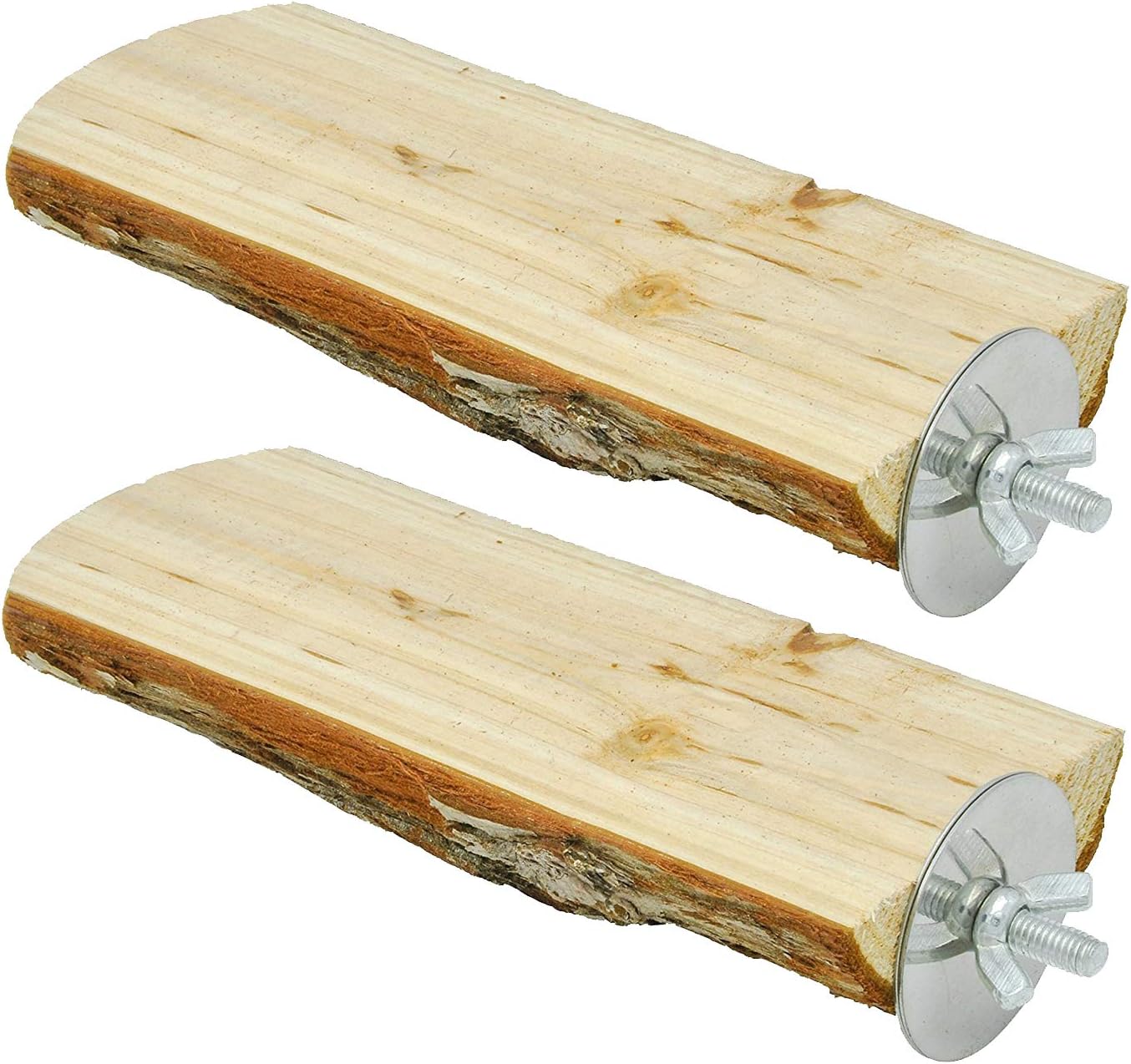

Material Safety and Texture
The material of a perch determines both its longevity and its safety for your pet. Natural wood and grapevine are superior to smooth plastic or dowels because they offer varied grip points that prevent pressure sores.
Look for untreated woods like fir or grapevines that allow for natural chewing behaviors. If your bird spends time foraging, placing these near best parrot food mix stations can make mealtime more physically engaging.
Diameter and Foot Exercise
Uniform perches are a leading cause of avian foot cramping and muscle atrophy. The best parrot cage perches feature irregular diameters that force the feet to wrap at different angles, simulating a wild environment.
A mix of flat platforms and rounded branches is ideal for a balanced setup. This variety ensures that the tendons in the feet are constantly stretching and contracting, which is vital for preventing bumblefoot in older birds.
Installation and Stability
A loose perch can be dangerous, potentially causing a bird to fall or become trapped. Most high-quality options use a wing nut and washer system that secures directly to the cage bars without the need for tools.
Ensure the hardware is made of stainless steel or zinc-free metal to avoid heavy metal poisoning. Stable perches are also excellent spots for training sessions using best parrot treats for training to build trust with your pet.
Ease of Cleaning
Birds spend the majority of their day on these surfaces, meaning they will inevitably collect droppings and food debris. Porous woods require more frequent scrubbing compared to harder, denser vines that resist moisture absorption.
Consider the surface texture when evaluating maintenance needs. A smoother natural bark might be easier to wipe down, while heavily textured grapevines may require a stiff brush to keep the habitat hygienic and smelling fresh.
Why You Should Trust Us
Our team focuses on objective data regarding avian anatomy and behavioral needs to select products that truly benefit your pets. We analyze material compositions, attachment hardware, and manufacturer reputations to ensure every recommendation is safe.
We prioritize transparency by highlighting both the strengths and limitations of each design. Our goal is to provide bird owners with the technical information needed to create a stimulating and healthy living environment without guesswork.
Final Thoughts
For those seeking the best overall balance of comfort and foot health, the Niteangel Parrot Cage Perch is an excellent choice. Its flat platform design provides a necessary rest for tired feet and helps prevent common ailments like bumblefoot.
If you prefer a more natural and rugged aesthetic that encourages climbing, the 4PCS Bird Perch Natural Grape Stick Bird Standing offers incredible value. The varied shapes of the grapevine branches ensure your bird gets the leg exercise they need to stay fit.
We recommend mixing both styles to create a diverse landscape within the cage. By combining flat surfaces with irregular natural branches, you provide your parrot with the best possible range of motion for their daily activities.
FAQs
How many perches should I have in a cage in 2026?
Most experts recommend at least three to five perches of varying textures and sizes. This ensures your bird has options for sleeping, eating, and playing without overcrowding the flight space.
Are natural wood best parrot cage perches safe for all birds?
Natural wood is generally safe as long as it is free from pesticides and toxic resins. Always verify that the wood species, such as fir or grape, is non-toxic to your specific bird species before installation.
How do I know if a perch is the right size for my parrot?
Your bird’s toes should wrap around about two-thirds to three-quarters of the perch. If the toes overlap or don’t reach halfway, the diameter is likely incorrect and could cause discomfort over time.
Can I use sandpaper covers on the best parrot cage perches?
We generally advise against sandpaper covers as they can be too abrasive and cause sores on the bottom of the feet. Natural bark provides enough friction for nail maintenance without the risk of irritation.
How often should I replace bird perches?
You should replace perches whenever they become excessively soiled, cracked, or chewed down to a point where they are no longer stable. Regular inspection during cleaning is the best way to monitor their condition.
Is grapevine better than fir wood for parrots?
Grapevine is typically harder and more durable, making it better for heavy chewers. Fir is softer and lightweight, which is excellent for smaller birds or as a secondary platform for resting.
Where is the best place to put a perch in the cage?
Place perches at different heights, but avoid putting them directly over food or water bowls to prevent contamination from droppings. You can find more tips in our Bird Lifestyle category page.


Write Your Review
No reviews yet. Be the first to share your experience!