

If your parrot is looking a little thin, losing feathers, or simply needs a calorie boost, finding the best parrot food for weight gain can make a world of difference. We’ve researched 7 top-rated formulas in October 2026 to help you choose the right one for your bird’s species, size, and health needs. Whether you have a small conure or a large macaw, our guide covers everything from fruit-flavored pellets to seed blends that pack a nutritional punch.
Weight gain in parrots is about more than just eating more; it’s about eating the right balance of healthy fats, proteins, and carbohydrates. A well-fed parrot is more energetic, has a glossier plumage, and is less prone to illness. In this review, we’ll break down the key features of each product, explain how to transition your bird to a new diet safely, and answer common questions about parrot nutrition. Let’s dive into the best parrot food for weight gain and find the perfect match for your feathered companion.


When you’re shopping for the best parrot food for weight gain, you need to consider several factors that go beyond just calorie count. The right formula should provide a balanced mix of macronutrients, essential vitamins, and minerals to support healthy weight gain without causing obesity or nutritional deficiencies. Here are the critical criteria we used to evaluate each product in our list.
1. Fat Content and Caloric Density
Healthy fats are the most concentrated source of energy for parrots, and they’re essential for weight gain. Look for foods that include seeds like sunflower, safflower, and flaxseed, which are naturally high in fat. However, you don’t want a diet that’s excessively fatty, as that can lead to fatty liver disease. Aim for a fat content between 10% and 15% for most parrot species.
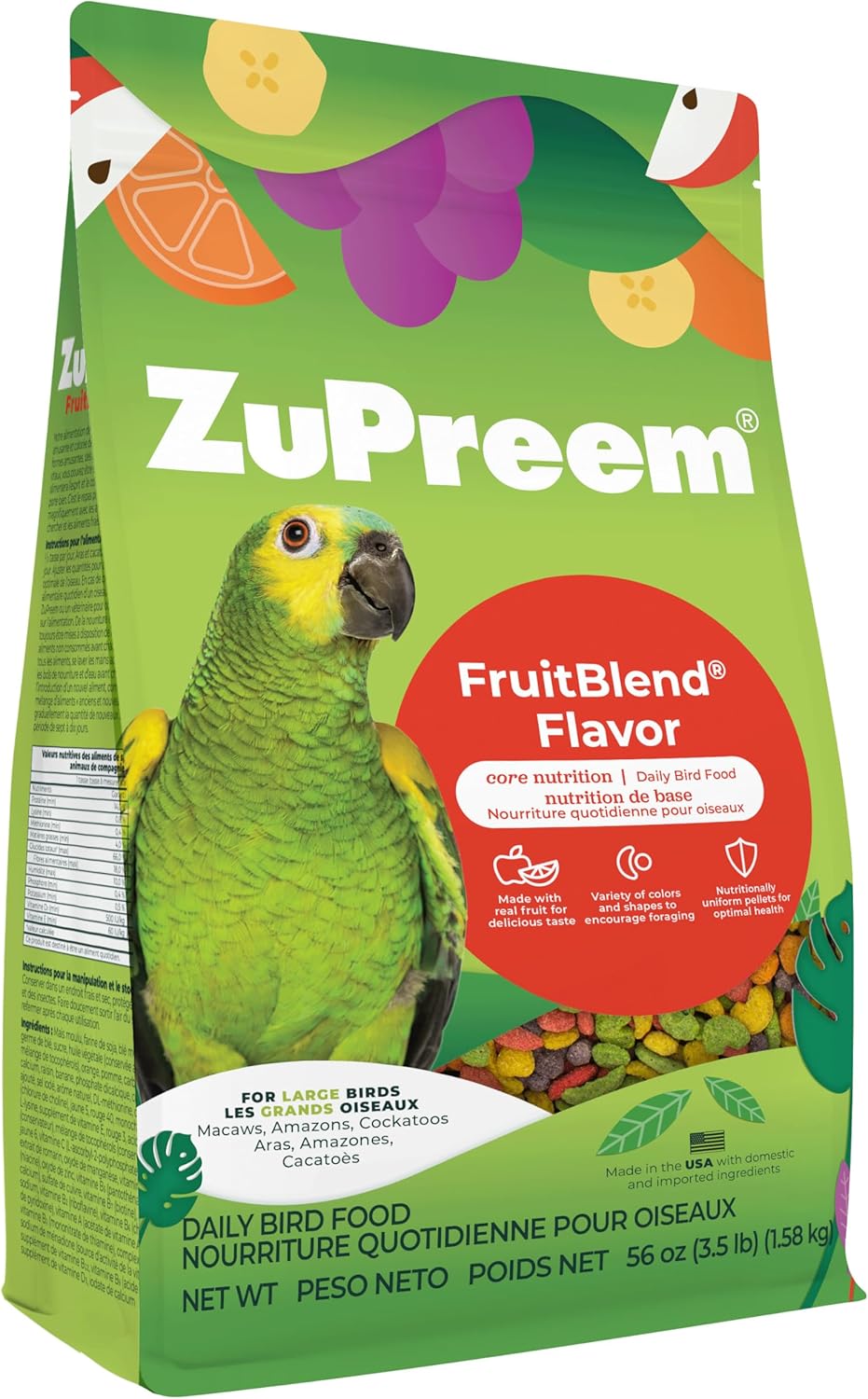
Caloric density matters too. A food that provides more calories per cup means your bird can eat less volume while still gaining weight. This is especially important for picky eaters or birds with small appetites. Products like ZuPreem FruitBlend and Kaytee Forti-Diet are formulated to be nutrient-dense, making them excellent choices.
2. Protein Quality and Amino Acids
Protein is the building block for muscle, feathers, and tissue repair. When your parrot is gaining weight, you want to ensure that the weight is lean muscle, not just fat. High-quality protein sources like soy, egg, and legumes are more digestible and provide a complete amino acid profile. Check the ingredient list for named protein sources rather than vague terms like “meat meal.”
For example, Mazuri’s large parrot food includes omega-3 fatty acids and high-quality protein to support immune function and muscle development. Similarly, Hagen Tropican uses a balanced formula that supports healthy growth in juvenile and adult parrots.
3. Fiber and Digestive Health
Fiber aids in digestion and helps your parrot feel full, which can prevent overeating and obesity. However, too much fiber can reduce the absorption of other nutrients. Look for a moderate fiber content (around 5-8%) that comes from fruits, vegetables, and whole grains. Ingredients like oats, barley, and dried fruits provide both fiber and natural sweetness that birds love.
ZuPreem FruitBlend, for instance, includes real fruit like bananas, apples, oranges, and grapes, which not only add fiber but also vitamins and antioxidants. These fruits make the food more palatable, encouraging your bird to eat more and gain weight.
4. Vitamins and Minerals
Weight gain should never come at the expense of micronutrient balance. A good parrot food should be fortified with essential vitamins like A, D3, E, and B-complex, as well as calcium, phosphorus, and iodine. These nutrients support bone health, feather condition, and metabolic function. Many products, like Kaytee Forti-Diet, are specifically formulated to provide 100% of the daily required nutrients.
Missing vitamins can lead to deficiencies that cause weight loss, so a fortified diet is crucial. Always check the guaranteed analysis and ingredient list to ensure the food meets the AAFCO (Association of American Feed Control Officials) standards for parrots.
5. Palatability and Texture
Even the most nutritious food won’t help if your parrot refuses to eat it. Parrots are intelligent and often picky eaters, so the texture, shape, and flavor of the food play a big role in acceptance. Pellets come in different sizes and shapes; some are smooth, others are crumbly. Seeds and dried fruits add variety and can tempt a reluctant eater.
Products like Vitakraft Menu and ZuPreem FruitBlend are known for their colorful, fruit-flavored pellets that stimulate a parrot’s senses. Hagen Tropican’s 4mm granules are designed to break cleanly without turning into powder, which some birds find off-putting. Finding a food your bird actually enjoys is half the battle.
6. Species-Specific Formulas
Different parrot species have different nutritional needs. A cockatiel or conure requires a smaller pellet size and different fat content than a large macaw or cockatoo. Many brands offer species-specific formulas, such as ZuPreem’s line for cockatiels, conures, macaws, and cockatoos. Choosing the right formula ensures that the nutrient ratios are appropriate for your bird’s size and metabolism.
For example, ZuPreem FruitBlend Macaw & Cockatoo Food is formulated for larger birds, while the Cockatiel & Conure version has smaller pellets and a slightly different nutrient profile. This attention to detail helps promote healthy weight gain in the right proportions.
Why You Should Trust Us
Our team spent hours analyzing customer reviews, nutritional data, and ingredient lists to bring you this list of the best parrot food for weight gain. We didn’t just pick the most popular products; we evaluated each one based on its macronutrient content, ingredient quality, brand reputation, and real-world feedback from parrot owners. We also cross-referenced with veterinary guidelines to ensure that every recommendation is safe and effective.
We understand that every parrot is unique, which is why we’ve included a variety of options, from budget-friendly mixes to premium pellets. Our goal is to provide you with the information you need to make an informed decision, whether you’re a first-time bird owner or a seasoned breeder. We’re confident that our top picks will help your feathered friend reach a healthy weight and thrive.
Frequently Asked Questions
What is the best parrot food for weight gain in 2026?
The best parrot food for weight gain in 2026 depends on your bird’s species and individual needs. For most parrots, a high-quality pellet like ZuPreem FruitBlend or Kaytee Forti-Diet is a solid choice because they are nutritionally complete and rich in healthy fats. If your parrot prefers seeds, a blend like Vitakraft Menu can provide the extra calories, but be sure to monitor fat intake to avoid obesity.
How long does it take for a parrot to gain weight on a new food?
Typically, you may start to see weight gain within 2 to 4 weeks of switching to a higher-calorie diet. However, it depends on the bird’s metabolism, age, and health status. It’s important to transition gradually over 7 to 10 days by mixing the new food with the old to avoid digestive upset. Monitor your parrot’s weight weekly and consult a vet if you don’t see improvement.
Can I feed my parrot seeds for weight gain?
Yes, seeds are high in fat and can help with weight gain, but they should not be the only food. A diet consisting solely of seeds can lead to nutritional deficiencies and obesity. Instead, offer seeds as a supplement to a balanced pellet diet. Look for seed mixes that include a variety of seeds, grains, and dried fruits, like Vitakraft Menu, and limit the overall amount.
Are there any health risks with high-fat parrot food?
High-fat foods can lead to obesity, fatty liver disease, and other health issues if overfed. It’s crucial to balance calorie intake with your parrot’s activity level. Choose foods with moderate fat content (10-15%) and provide plenty of opportunities for exercise, such as out-of-cage time and toys. Regular veterinary check-ups can help monitor your bird’s condition.
How much should I feed my parrot to promote weight gain?
The amount varies by species and individual bird. As a general guideline, a parrot should eat about 10-15% of its body weight in food daily, but that can vary. For weight gain, you may need to increase the portion slightly or offer more frequent meals. Always follow the feeding instructions on the package and adjust based on your bird’s response. Consult an avian vet for a personalized plan.
Can I mix different parrot foods to help my bird gain weight?
Yes, mixing a high-quality pellet with a seed blend or a fruit-based food can provide variety and extra calories. For example, you could mix ZuPreem FruitBlend with a small amount of Vitakraft Menu to entice a picky eater. Just be mindful of the total fat and protein content, and ensure that the mix still meets your parrot’s nutritional needs. Gradually introduce any new food to avoid digestive issues.
What are the signs of a healthy weight in parrots?
A healthy parrot should have a smooth, rounded keel bone (breastbone) that is not too prominent. You should be able to feel the keel but not see it sharply protruding. The bird should be active, have bright eyes, and shiny feathers. If you’re unsure, you can use a kitchen scale to weigh your parrot regularly and compare to species-specific weight ranges.
Is it better to choose pellets or seeds for weight gain?
Pellets are generally better for weight gain because they are nutritionally balanced and prevent selective eating. Seeds are high in fat but lack essential vitamins and minerals. A combination of both, with pellets as the base and seeds as a treat, is often the most effective approach. Look for pellets that are high in fat and protein, like ZuPreem FruitBlend or Mazuri.
Can I give my parrot supplements to help with weight gain?
Supplements like omega-3 fatty acids, probiotics, and vitamin E can support overall health and weight gain, but they should not replace a balanced diet. Always consult an avian veterinarian before adding supplements, as over-supplementation can be harmful. Some foods, like Mazuri, already contain omega-3s, so extra supplementation may not be necessary.
What if my parrot is still not gaining weight?
If your parrot isn’t gaining weight despite a high-calorie diet, there may be an underlying health issue such as parasites, infection, or organ disease. It’s essential to have a thorough veterinary examination to rule out medical problems. Your vet may recommend a special diet, nutritional supplements, or treatment for the underlying condition. Also, check that your bird is actually eating the food and not just playing with it.
For more guidance on setting up the perfect habitat for your bird, check out our best parrot cage. If you have a large parrot, you might also find our best parrot cages for large parrots helpful. And for smaller species, don’t miss best parrot cages for small parrots.
Write Your Review
No reviews yet. Be the first to share your experience!