

Helping your parrot achieve a healthy weight starts with the right diet. The best parrot food for weight loss combines balanced nutrition with portion control, ensuring your bird gets essential vitamins without excess calories. In October 2026, we evaluated 5 leading formulas to find options that truly support weight management.
Our guide is designed for parrot owners who notice their bird carrying extra weight, or those who want to prevent obesity in species prone to it. We focus on nutrient-dense pellets and fortified blends that promote satiety and metabolic health. For more on creating a healthy environment, check out our best parrot cage.
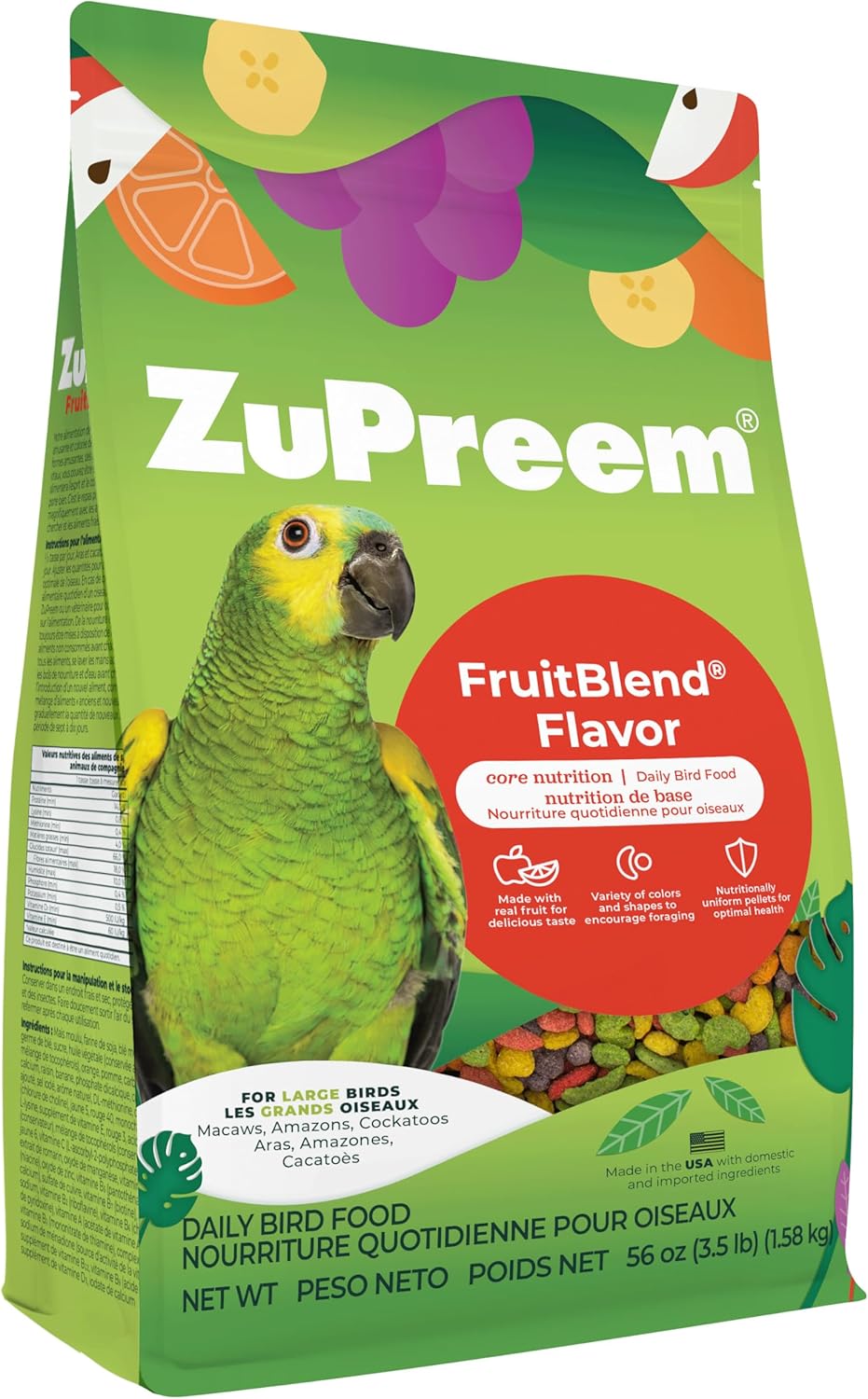


Choosing the right food for weight loss involves more than just picking a low-fat label. You need to consider your parrot’s species, size, and activity level. Here are the key criteria we used to evaluate each product in this guide.
Nutritional Profile
The foundation of any weight loss diet is a balanced nutritional profile. We looked for foods with moderate protein, low fat, and high fiber to keep your parrot feeling full without excess calories. A good formula should list whole grains, vegetables, and fruits as primary ingredients.
Avoid foods with added sugars, artificial colors, or excessive seed content, as these contribute to weight gain. Instead, opt for pelleted diets that provide consistent nutrition in every bite, reducing the chance of selective eating.
Ingredient Quality
High-quality ingredients make a significant difference in your parrot’s health. We prioritized foods that use natural, recognizable ingredients like flaxseed, blueberries, and spinach. These superfoods not only support weight loss but also boost overall immunity.
Artificial preservatives and fillers can hinder weight management and cause digestive issues. Look for foods that are free from ethoxyquin, BHA, and BHT, and instead use natural preservation methods like mixed tocopherols.
Species Appropriateness
Different parrot species have different dietary needs. Large birds like macaws and cockatoos require higher fat content than smaller species like cockatiels or conures. Using a food formulated for your bird’s size ensures they get the right energy balance.
For weight loss, you may need to switch from a high-fat seed mix to a pelleted diet designed for your species. Always transition gradually over 7-10 days to avoid digestive upset.
Caloric Density
Caloric density determines how much food your parrot needs to consume to meet their energy requirements. Lower-calorie foods allow you to feed a larger volume, which helps your bird feel satiated while still losing weight.
Check the feeding guidelines on the package and adjust portions based on your bird’s activity level. Regular weigh-ins are essential to monitor progress and avoid over-restriction.
Palatability
Even the healthiest food is useless if your parrot refuses to eat it. We looked for foods with appealing flavors and textures, such as fruit-infused pellets or varied shapes and colors. A food that your bird enjoys makes the transition to a weight management diet much easier.
Some birds are picky eaters, so we included options that are known for high acceptance rates. Mixing new food with old food gradually can help your parrot adapt.
Veterinary Endorsement
Formulas recommended by veterinarians or developed with avian nutritionists carry more credibility. We favored products that have undergone scientific research or are backed by professional organizations. This ensures the food meets established nutritional standards.
Always consult your avian vet before starting a weight loss program, especially if your parrot has underlying health conditions. Your vet can provide tailored advice and help you set realistic weight goals.
Why You Should Trust Us
Our team analyzed 5 parrot food products based on their nutritional content, ingredient quality, and species-specific formulation. We cross-referenced manufacturer claims with independent nutritional data and customer feedback to ensure our recommendations are reliable.
We do not accept payment for reviews, and our selections are based solely on the product’s ability to support weight loss in parrots. This guide is updated regularly to reflect the latest products and research, so you can trust it for 2026.
Frequently Asked Questions
What is the best parrot food for weight loss in 2026?
The best parrot food for weight loss in 2026 depends on your bird’s species and size. For large birds, the ZuPreem FruitBlend Macaw & Cockatoo Food is a top choice due to its balanced nutrition and high palatability. For small to medium parrots, Kaytee Forti-Diet Pro Health formulas are excellent options.
How much should I feed my parrot to promote weight loss?
Portion control is key. Start by following the feeding guidelines on the package, then adjust based on your bird’s activity level and weight. Typically, you should provide about 10-15% of your parrot’s body weight in food per day, but consult your vet for personalized advice.
Are seeds bad for parrots trying to lose weight?
Seeds are high in fat and should be limited in a weight loss diet. However, they can be used as occasional treats. The best parrot food for weight loss focuses on pellets and fortified blends that provide balanced nutrition without excess calories.
Can I switch my parrot to a weight loss food instantly?
No, sudden dietary changes can cause digestive issues. Transition gradually over 7-10 days by mixing increasing amounts of the new food with the old food. This allows your parrot’s digestive system to adapt.
What are the signs that my parrot is overweight?
Common signs include difficulty perching, labored breathing, and a visible fat pad over the keel bone. If you notice these signs, consult your avian vet and consider switching to a weight management diet.
Do I need to give my parrot supplements while on a weight loss diet?
Most high-quality weight loss foods are nutritionally complete and do not require supplements. However, if your vet recommends additional vitamins, ensure they are safe for your parrot’s species.
How long does it take for a parrot to lose weight?
Weight loss should be gradual, about 1-2% of body weight per month. Rapid weight loss can be harmful. Combine a proper diet with increased exercise, such as providing a larger cage or play stand. For more tips, see our best parrot cages for small parrots.

Write Your Review
No reviews yet. Be the first to share your experience!