

Few things capture a parrot’s attention faster than seeing fresh fruit on the kitchen counter. Bananas, with their sweet smell and soft texture, are especially tempting. It’s no surprise that many parrots eagerly watch every bite, hoping they’ll get a taste too. That simple moment often leaves owners wondering whether sharing a piece is actually safe.
The good news is that parrots can eat bananas, and for most healthy birds, they’re a perfectly safe treat when offered in moderation. Rich in potassium, vitamin B6, fiber, and other beneficial nutrients, bananas can add variety to your parrot’s diet while providing both flavor and enrichment. Many birds enjoy the soft texture, making bananas one of the easiest fruits to introduce, especially for parrots that are hesitant to try fresh foods.
That doesn’t mean bananas should become an everyday snack. Like many fruits, they’re naturally high in sugar, and feeding too much can gradually reduce your bird’s interest in healthier staples such as pellets and fresh vegetables. A balanced diet has always been the foundation of a healthy parrot, and fruit should simply complement that foundation rather than replace it.
Understanding how to prepare bananas properly, how much to offer, and how often to serve them can make a big difference in your bird’s long-term health. Throughout this guide, you’ll learn the nutritional benefits of bananas, the common mistakes to avoid, and simple feeding tips that will help your parrot enjoy this popular fruit safely as part of a balanced and varied diet.
[wpsm_toplist]
Are Bananas Safe for Parrots?
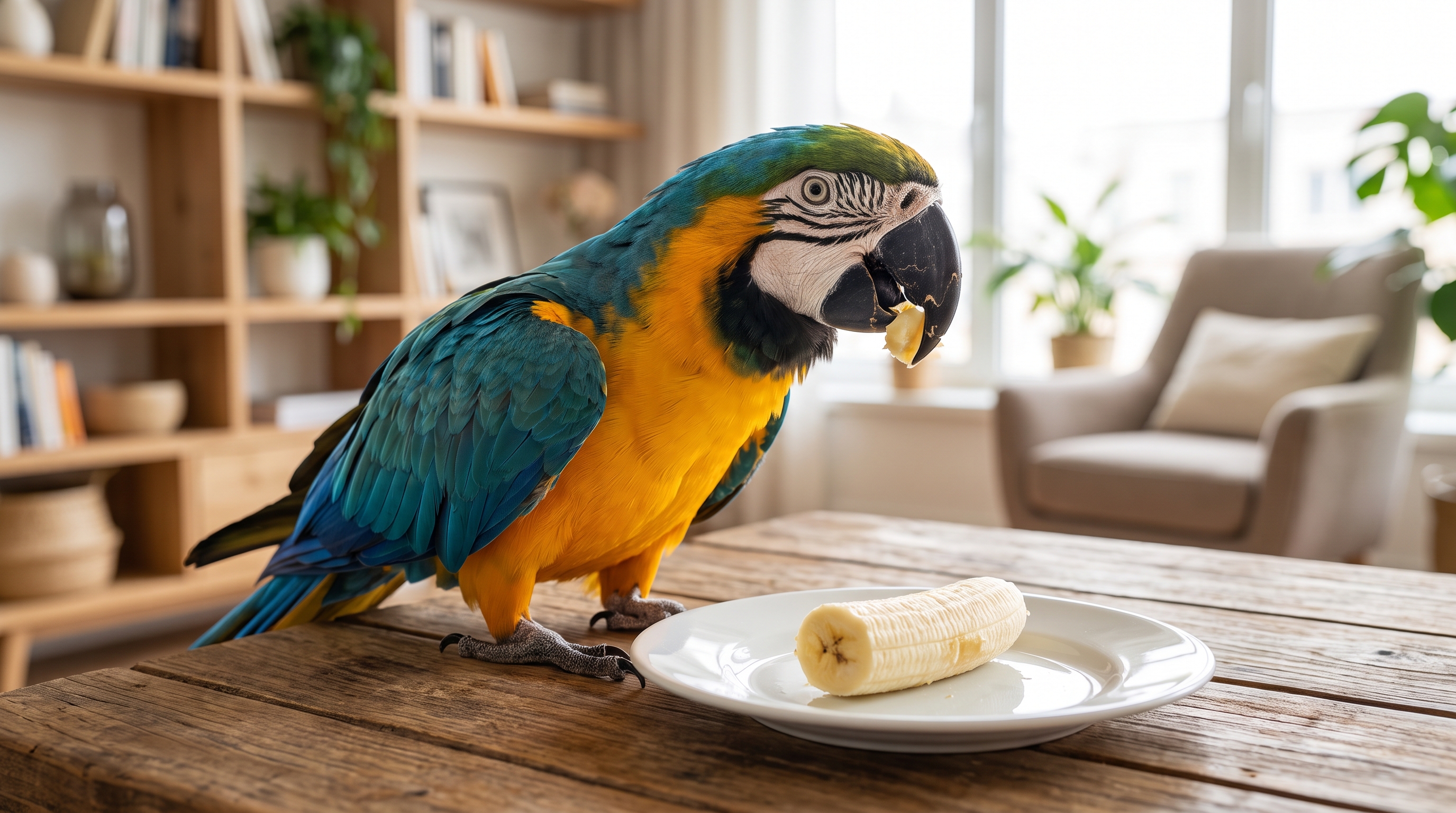
Yes, bananas are generally considered a safe fruit for parrots. Whether you have an African Grey, Budgie, Cockatiel, Conure, Amazon, Macaw, or Lovebird, a few small pieces of fresh banana can be a healthy addition to a balanced diet. Their naturally soft texture makes them easy to eat, and most parrots seem to enjoy the mild sweetness without much encouragement.
One thing many new owners don’t realize is that parrots don’t judge food the same way we do. A bird may eagerly eat something simply because it tastes sweet or feels interesting to hold, not because its body actually needs more of it. That’s why offering bananas in moderation is so important. While they’re packed with beneficial nutrients, they’re still a fruit, which means they contain natural sugars that can add up over time if served too often.
Fresh banana is also gentle on the digestive system, making it one of the easier fruits to introduce to parrots that are just beginning to eat fresh foods. Many owners use tiny banana pieces as an occasional training reward or mix them with chopped vegetables to encourage birds that are reluctant to try new foods. The soft texture can also make bananas appealing to older parrots that have difficulty chewing firmer fruits.
It’s worth remembering that no single fruit can provide everything a parrot needs to stay healthy. In the wild, parrots consume a wide variety of fruits, seeds, flowers, leaves, and other plant materials depending on the season and where they live. Pet parrots benefit from that same variety. Bananas should be viewed as one small part of a diverse diet built around high-quality pellets, fresh vegetables, leafy greens, and other bird-safe fruits.
Nutritional Benefits of Bananas
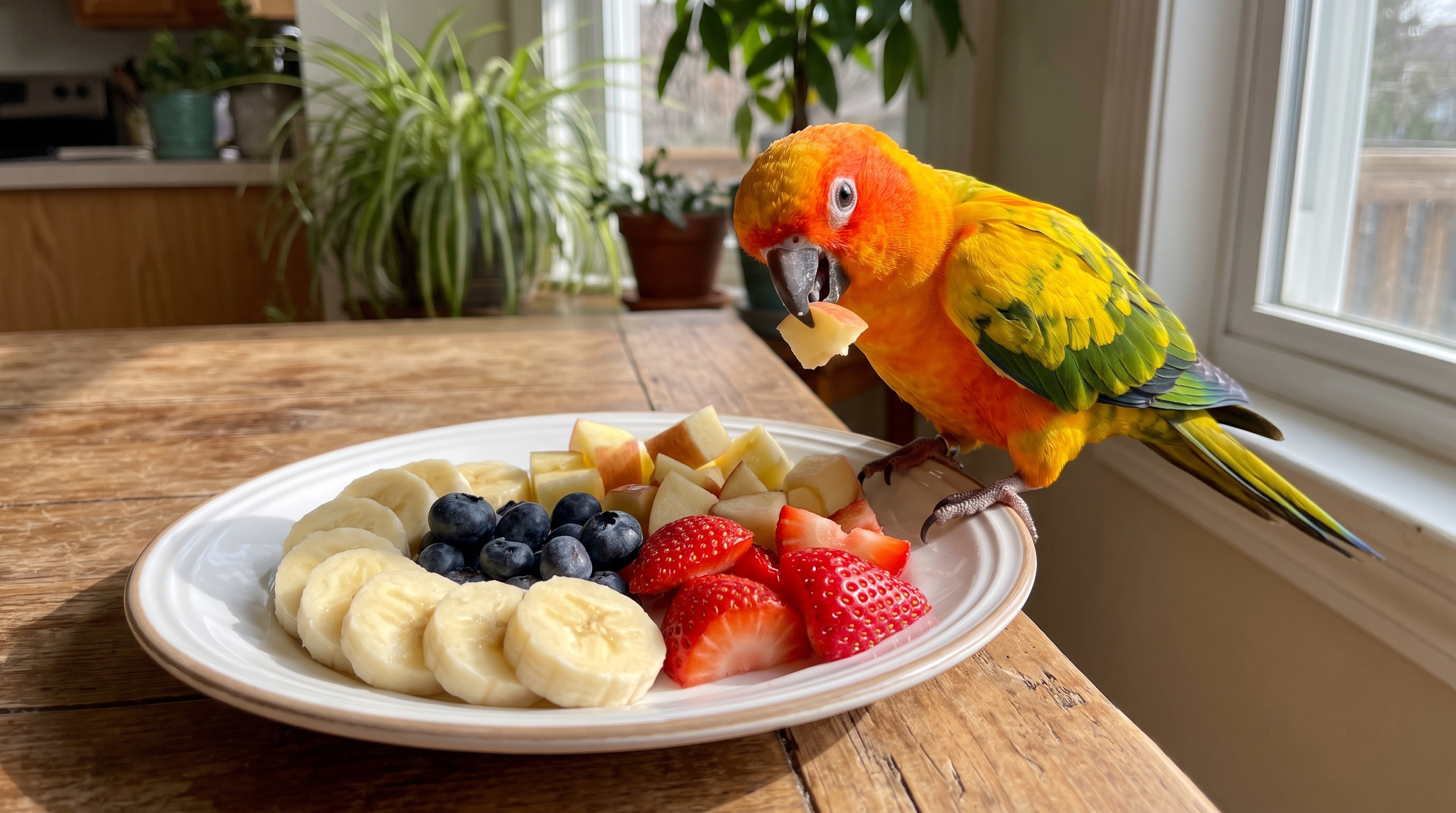
Bananas are more than just a sweet treat. When offered in moderation, they provide several nutrients that can support your parrot’s overall health as part of a balanced diet.
Rich in Potassium
Bananas are well known for their potassium content, an essential mineral that supports normal muscle function, nerve signaling, and fluid balance. A medium banana contains around 450 mg of potassium, making it one of the richest fruit sources of this mineral.
A Good Source of Vitamin B6
Vitamin B6 plays an important role in energy metabolism and supports healthy brain and immune function. According to the U.S. National Institutes of Health (NIH), the body uses vitamin B6 in more than 100 enzyme reactions involved in metabolism.
Contains Dietary Fiber
Bananas naturally contain dietary fiber, which helps support healthy digestion. One medium banana provides about 3 grams of fiber, making it a gentle addition to a varied diet.
Provides Natural Antioxidants
Bananas also contain vitamin C and naturally occurring antioxidants that help protect cells from everyday oxidative stress. While they shouldn’t replace leafy greens or other nutrient-rich foods, they can add valuable variety to your parrot’s weekly menu.
Although bananas offer several nutritional benefits, they’re still relatively high in natural sugar. That’s why they’re best served as an occasional treat rather than an everyday food. A balanced diet built around high-quality pellets, fresh vegetables, and a variety of bird-safe fruits will always provide the greatest long-term health benefits for your parrot.
How Much Banana Should a Parrot Eat?
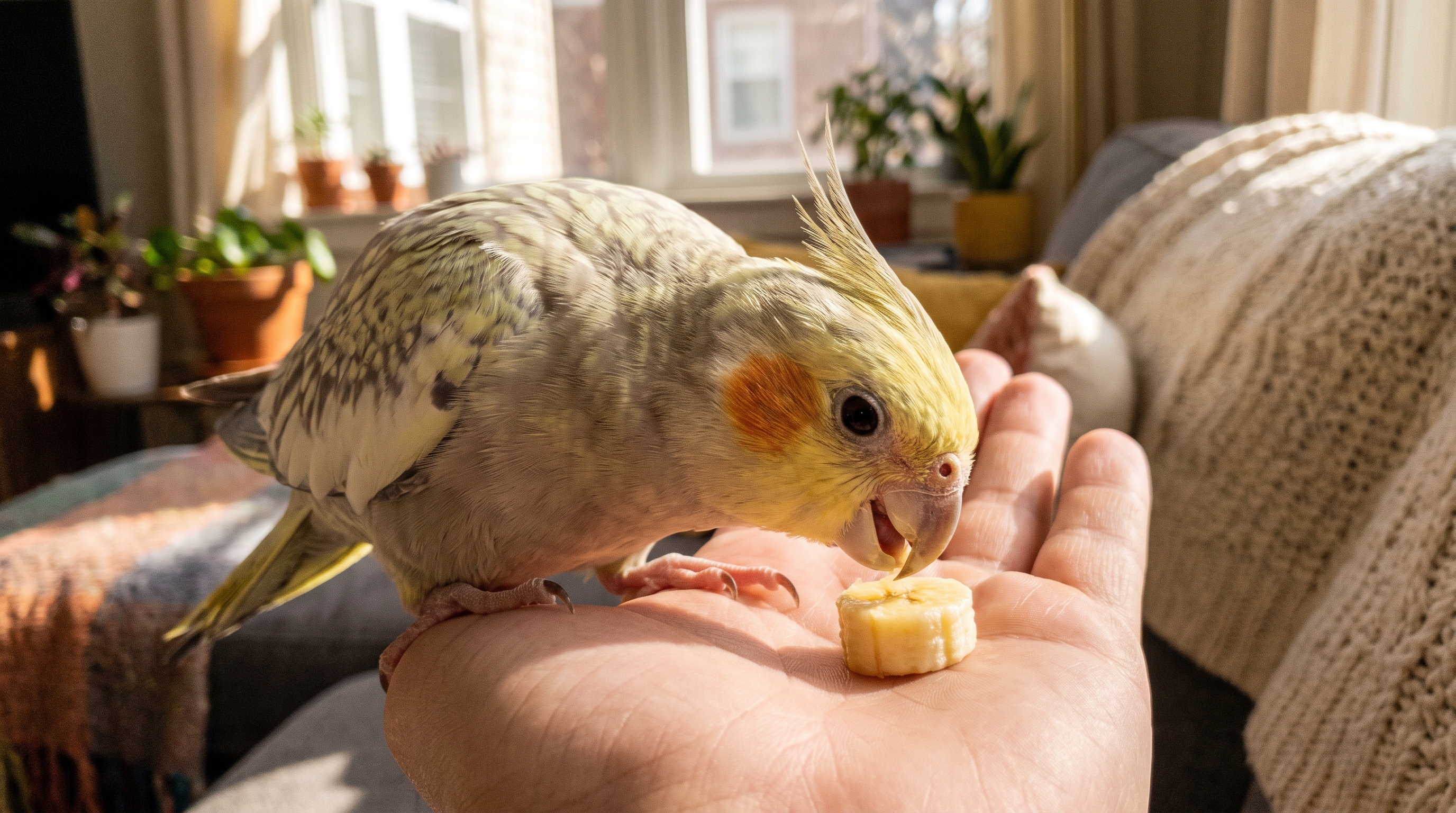
Here’s the thing—most parrots would happily keep eating bananas if you let them. Mine have never been very good at saying, “No thanks, I’ve had enough.” If your bird gets excited every time you peel a banana, you’re definitely not alone.
The good news is that your parrot doesn’t need much to enjoy the benefits. A couple of small pieces are usually plenty. Smaller birds like Budgies and Lovebirds only need a bite or two, while larger parrots, such as African Greys or Macaws, can enjoy a few extra slices without any problem.
It’s easy to go overboard because bananas seem like such a healthy food, but they’re naturally sweet. Too much fruit—even healthy fruit—can fill your bird up before it has eaten the foods that matter most, like quality pellets and fresh vegetables.
I like to think of bananas as a weekend treat rather than something that’s always on the menu. Mix things up with apples, berries, papaya, or other bird-safe fruits throughout the week. Not only does that provide a wider range of nutrients, but it also keeps mealtime interesting for your feathered friend
Can Parrots Eat Banana Peels?
This is one of those questions that surprises a lot of parrot owners. Since bananas are safe to eat, it’s easy to assume the peel must be safe too. The answer is yes—but with a few important precautions.
Banana peels aren’t considered toxic to parrots, and some birds will happily nibble on them. In fact, the peel contains fiber and small amounts of nutrients. The real concern isn’t the peel itself—it’s what may be on it.
Bananas are often treated with pesticides, fungicides, or protective coatings before they reach grocery stores. Even though you peel the fruit before eating it yourself, a parrot chewing directly on the skin may be exposed to residues you can’t see.
If you’d like to let your parrot try banana peel, it’s best to choose organic bananas whenever possible. Wash the peel thoroughly under running water and gently scrub the surface before offering a small piece. There’s no need to give a large amount, especially if it’s your bird’s first time trying it.
That said, there’s no nutritional advantage that makes banana peels a must-have food. If your parrot isn’t interested in the peel, don’t worry about it. The soft fruit inside provides plenty of nutrition on its own and is a much more popular choice with most pet parrots.
When introducing any new food, keep an eye on your bird afterward. If you notice changes such as loose droppings, reduced appetite, or unusual behavior, stop offering the food and consult an avian veterinarian if the symptoms continue. Fortunately, most healthy parrots can enjoy a small piece of properly cleaned banana—or even a little of the peel—without any problems.
Can Baby Parrots Eat Bananas?
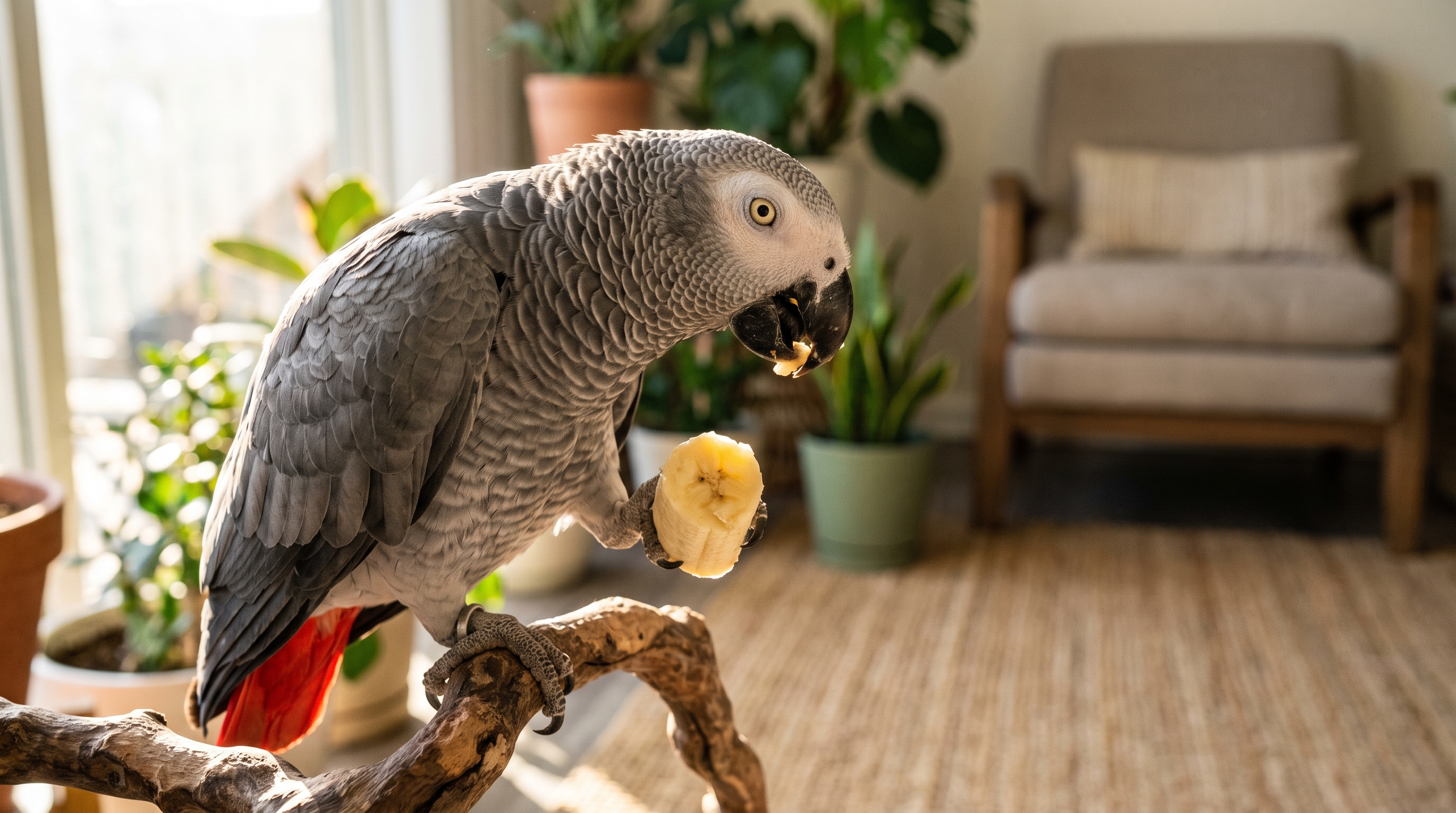
Yes, they can—but timing matters.
If your baby parrot is still being hand-fed, it’s best to stick with the hand-feeding formula recommended for its age. At this stage, that’s where it gets the nutrition it needs to grow strong and healthy. Banana might seem like a harmless treat, but it shouldn’t replace a proper diet while your bird is still weaning.
Once your young parrot starts showing interest in solid foods, a tiny piece of ripe banana is usually a great place to start. The soft texture is easy to nibble on, and the mild sweetness is often enough to spark a little curiosity. Don’t be surprised if your bird ignores it the first time, though. Baby parrots can be just as picky as toddlers when they’re trying something new.
Keep the first serving small—a little bite is more than enough. Then simply watch how your bird responds over the next day. If everything looks normal and your parrot enjoys it, bananas can become one of the many fresh foods you offer from time to time.
The biggest mistake I see new owners make is getting carried away because their bird absolutely loves bananas. It’s hard to say no when those bright eyes are asking for another bite, but young parrots need variety far more than they need extra fruit. Fresh vegetables, quality pellets, and different bird-safe fruits all play an important role in helping them develop healthy eating habits.
Think of bananas as a fun introduction to fresh food—not the star of the menu. A small piece every now and then is plenty, and your young parrot will benefit much more from learning to enjoy a wide range of healthy foods as it grows.
Common Mistakes
Ask any experienced parrot owner, and you’ll probably hear the same thing—bananas disappear fast. Most birds love them, which is exactly why it’s so easy to hand over “just one more piece.” Before you know it, a small treat has turned into half a banana.
Another mistake is thinking that because bananas are healthy for people, parrots can eat as much as they want. They can’t. Too much fruit can fill your bird up long before it gets the nutrients it needs from pellets, leafy greens, and other vegetables.
Leaving banana in the cage is another habit worth avoiding. It doesn’t stay fresh for very long, especially in a warm room. If your parrot walks away after a few bites, simply remove what’s left instead of letting it sit there for the rest of the day.
Banana chips catch a lot of owners off guard too. They sound healthy, but many of the ones sold in supermarkets are fried or loaded with added sugar. Your parrot is much better off with a few slices of fresh, ripe banana.
And don’t worry if your bird turns its beak up at bananas altogether. Some parrots can’t get enough of them, while others would rather wait for blueberries or apple slices. That’s perfectly normal. Every bird has its own favorites, and there’s no reason to force a food just because it’s considered healthy.
A little banana every now and then is more than enough. Keeping meals varied will always do more for your parrot than offering the same fruit over and over again.
Best Ways to Serve Bananas
Most parrots aren’t very picky about how bananas are served. A few slices of ripe banana are usually enough to get their attention. Some birds will take a piece right from your hand, while others seem to enjoy carrying it away to their favorite perch before settling down for a snack.
If your parrot looks at the banana and then walks away, don’t read too much into it. New foods can take a little time. I’ve seen birds ignore the exact same fruit for days, only to decide one morning that it’s suddenly the best thing in the bowl. That’s fairly typical with parrots—they like making their own decisions.
You can drop a couple of small pieces into the food dish, tuck one into a foraging toy, or clip a slice near your bird’s favorite perch. Changing the presentation every now and then keeps things interesting, especially for curious species that enjoy exploring before they eat.
One thing I avoid is turning fruit into dessert. Bananas don’t need yogurt, honey, peanut butter, or anything else to make them more appealing. They’re already sweet enough on their own, and most parrots are perfectly happy with them just as nature made them.
Fresh fruit never stays fresh for very long, especially once your parrot has been picking at it. If there are a few bites left after mealtime, just toss them out and offer a fresh piece another day. It’s a small habit, but one that helps keep your bird’s food clean and safe.
FAQs
Can parrots eat bananas every day?
I’d avoid making bananas an everyday treat. They’re naturally sweet, so it’s better to save them for once or twice a week and offer a mix of other fruits and vegetables in between. A varied diet will always do more for your parrot than sticking with one favorite food.
Can parrots eat banana peels?
They can, but I usually don’t recommend it unless you’re using organic bananas. The peel may carry pesticide residue or protective coatings, and the fruit itself already provides everything your parrot is looking for.
Are green bananas safe for parrots?
Yes, as long as they’re plain and fresh. That said, most parrots seem to prefer ripe bananas because they’re softer and much easier to eat. If your bird turns its beak up at a green banana, it’s probably the texture—not the taste.
Can parrots eat dried bananas or banana chips?
Fresh is always the better choice. Dried bananas are much higher in sugar, and many banana chips sold in stores are fried or contain added sweeteners. They aren’t something I’d include in a parrot’s regular diet.
What fruits go well with bananas?
Bananas pair nicely with apples, blueberries, strawberries, mango, papaya, and pomegranate. Rotating different fruits throughout the week gives your parrot more variety and helps prevent it from becoming too attached to just one favorite snack.


Write Your Review
No reviews yet. Be the first to share your experience!