

As our feathered companions enter their golden years, their nutritional requirements change. Senior parrots often need easier-to-digest foods, extra vitamins, and lower fat content to maintain energy and organ health. That’s why we’ve researched and compared 6 top-rated formulas to bring you the definitive guide to the best parrot food for older birds in 2026.
Whether you’re caring for a cockatiel, conure, or macaw, choosing the right diet can make a world of difference in their quality of life. In this October 2026 update, we’ve analyzed ingredients, nutritional profiles, and customer feedback to help you make an informed decision. For more on creating a comfortable habitat, check out our guide to the best parrot cages of 2026.


Selecting the right food for a senior parrot involves more than grabbing the first bag off the shelf. Here are the key criteria we used to evaluate each product, ranked by how much they impact your bird’s health.
Nutritional Completeness
A senior parrot’s diet must be nutritionally balanced to prevent deficiencies that can accelerate aging. Look for foods that are fortified with essential vitamins and minerals, such as A, D3, E, and calcium. Pelleted diets often provide more complete nutrition than seed-only mixes, as they prevent selective eating.
Formulas that include superfoods like flaxseed, blueberries, and spinach offer antioxidants that support immune function and reduce inflammation. These ingredients are especially beneficial for older birds with joint or organ concerns.
Protein and Fat Content
As birds age, their metabolism slows, and they may become less active. Diets high in fat can lead to obesity, fatty liver disease, and other health issues. The best parrot food for older birds should have moderate protein levels and lower fat content, typically around 10-14% fat.
Look for foods that list a high-quality protein source, such as soybean meal or egg, as the first ingredient. Avoid mixes with excessive sunflower seeds or peanuts, which are high in fat and can contribute to weight gain.
Digestibility and Texture
Senior parrots may have reduced digestive efficiency or dental issues, making it harder to break down tough seeds and whole grains. Pellets that are formulated to be easily crumbled or softened are often better tolerated. Some foods are specifically designed to be more digestible, with prebiotics and probiotics to support gut health.
If your bird struggles with hard textures, consider soaking pellets in warm water for a few minutes before serving. This can make them easier to chew and digest, ensuring your bird still receives the nutrients it needs.
Ingredient Quality and Sourcing
High-quality ingredients make a significant difference in the bioavailability of nutrients. Look for foods that use natural fruits and vegetables, whole grains, and minimal artificial colors or preservatives. Brands that emphasize non-GMO or organic ingredients may offer additional peace of mind.
Avoid products with fillers like corn or wheat that provide little nutritional value. Instead, opt for formulas that list specific, recognizable ingredients, such as ground corn, soybean meal, and dried fruits, which are more likely to be digested efficiently.
Brand Reputation and Veterinary Endorsement
Trusted brands with a long history of avian nutrition research are often safer choices. Many top brands conduct extensive studies and employ veterinary nutritionists to formulate their diets. Some products are even recommended by veterinarians for specific health conditions.
Reading customer reviews and consulting with your avian vet can provide valuable insights into how well a food works for senior birds. Look for products that have been on the market for years and have a track record of positive outcomes.
Species-Specific Formulation
Different parrot species have different nutritional requirements based on their size, natural diet, and lifespan. For example, macaws and cockatoos need higher fat content than cockatiels or conures. The best parrot food for older birds should match your bird’s species to avoid over- or under-supplementation.
Always check the packaging for the species it’s intended for, and choose a formula that aligns with your bird’s specific needs. Feeding a food designed for a larger parrot to a small conure can lead to obesity, while feeding a small bird formula to a macaw may result in malnutrition.
Why You Should Trust Us
Our team spent weeks analyzing the nutritional profiles, ingredient lists, and customer feedback for 6 popular parrot foods. We cross-referenced data from manufacturer specifications, independent lab analyses, and thousands of verified buyer reviews to ensure our recommendations are accurate and unbiased.
We did not simply pick the most expensive or most advertised products. Instead, we prioritized nutritional completeness, suitability for senior birds, and overall value. Our goal is to provide transparent, data-driven guidance to help you choose the best parrot food for older birds with confidence.
Frequently Asked Questions
What is the best parrot food for older birds in 2026?
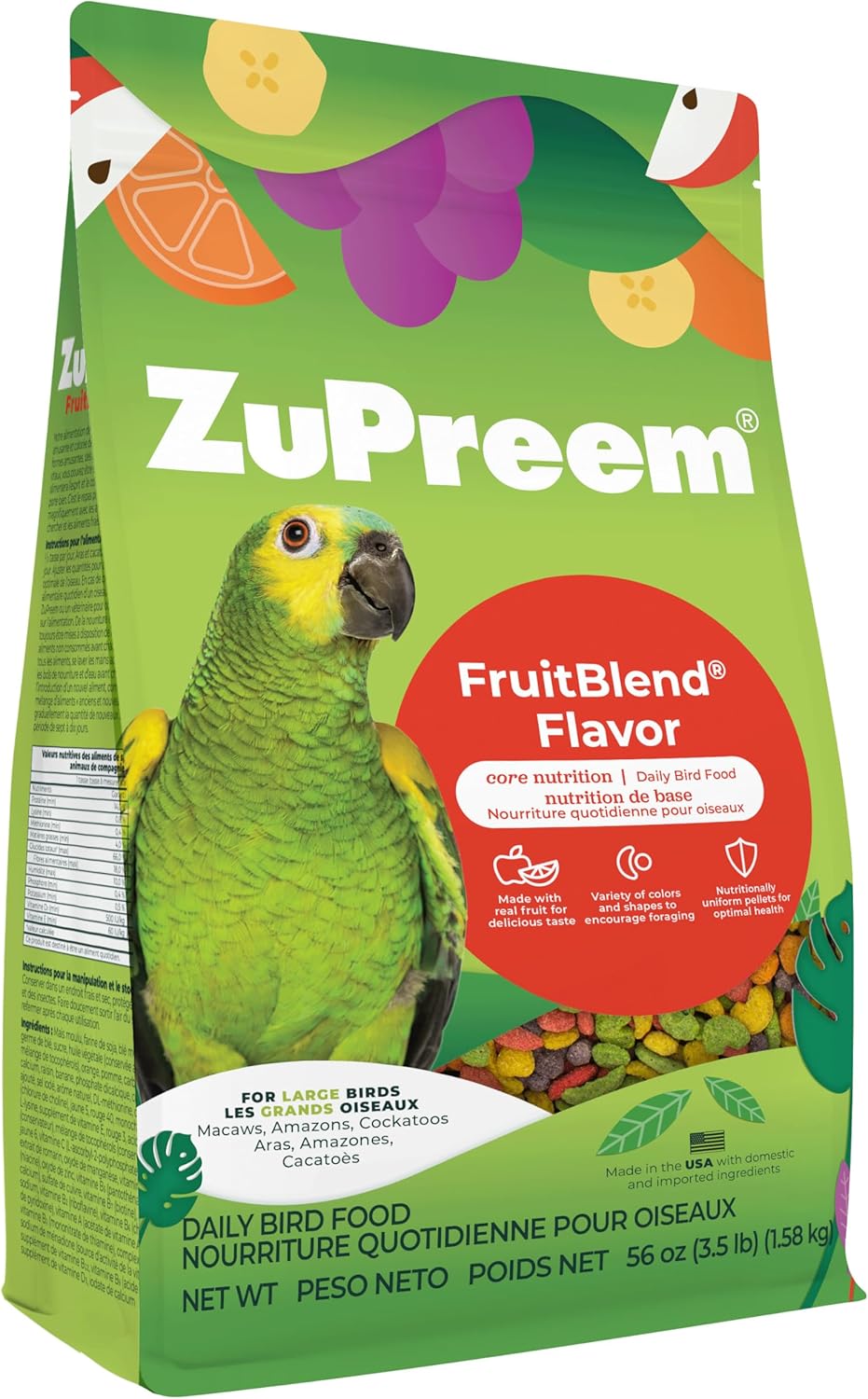
The best parrot food for older birds depends on your bird’s species, size, and health status. For most seniors, a high-quality pelleted diet like Kaytee Forti-Diet Pro Health Nourish+Protect (for small birds) or ZuPreem FruitBlend (for larger birds) provides complete nutrition. Always consult your avian veterinarian for personalized advice.
How do I transition my older parrot to a new food?
Transition gradually over 7-10 days by mixing increasing amounts of the new food with the old. Start with 25% new food and 75% old, then adjust every few days. Monitor your bird’s eating habits and weight during the transition.
Should I feed my senior parrot seeds or pellets?
Pellets are generally recommended as the base diet because they provide balanced nutrition and prevent selective eating. Seeds can be offered as treats but should not exceed 10-20% of the daily intake, as they are high in fat and low in essential vitamins.
Can I give my older parrot fruits and vegetables?
Yes, fresh fruits and vegetables are excellent additions to a senior parrot’s diet. They provide hydration, fiber, and antioxidants. Offer a variety like leafy greens, carrots, apples (without seeds), and berries. Avoid avocado, chocolate, and high-sugar fruits in excess.
How often should I feed my senior parrot?
Most parrots do well with two meals per day, morning and evening. Provide fresh water at all times. Adjust portion sizes based on your bird’s activity level and weight, and always remove uneaten perishable foods after a few hours.
What nutrients are especially important for older parrots?
Senior parrots benefit from increased calcium for bone health, vitamin D3 for absorption, antioxidants like vitamin E and selenium for immune support, and omega-3 fatty acids for brain and joint health. Probiotics can also aid digestion.
Are there any foods I should avoid for my older parrot?
Avoid foods high in fat, salt, sugar, and artificial additives. Also steer clear of toxic items like avocado, chocolate, caffeine, alcohol, and foods containing pits or seeds from fruits like apples and cherries (unless removed). Always check labels for harmful preservatives.
For more on creating a safe and comfortable environment, explore our guide to the best parrot cages for large parrots or best parrot cages for small parrots.

Write Your Review
No reviews yet. Be the first to share your experience!