

Feeding your parrot a balanced, species-appropriate diet is one of the most important decisions you can make for its long-term health. With so many options on the market, finding the best parrot food for healthy birds can feel overwhelming. That is why we have compared 3 leading formulas from ZuPreem, Kaytee, analyzing ingredients, nutritional balance, and real owner feedback to give you a clear, data-driven recommendation for October 2026. Whether you have a conure, lovebird, or African grey, the right pellets make all the difference.
If you are new to parrot nutrition, start with our guide on bird diet basics to understand the building blocks of a healthy feeding routine. Then come back here to compare our top picks for the best parrot food for healthy birds this year.


Not all parrot foods are created equal. The best parrot food for healthy birds should meet your bird’s specific life stage, size, and health needs. Below we break down the key criteria to consider before purchasing.
Nutritional Completeness and Ingredient Quality
The top priority is a nutritionally complete formula that meets AAFCO or similar guidelines. Look for a pellet-based diet that includes balanced protein, fat, fiber, vitamins, and minerals. Avoid mixes heavy in sunflower seeds or artificial fillers.
Our top products all list whole grains, fruits, and vegetables as primary ingredients. The best parrot food for healthy birds should also be free of artificial colors and preservatives where possible.
Pellet Size and Shape for Different Bird Species
Parrots vary greatly in size, from small lovebirds to large cockatoos. Pellet size matters because birds need to be able to grip and break the food easily. Conures and lovebirds do best with small or medium pellets, while larger parrots need bigger kibble.
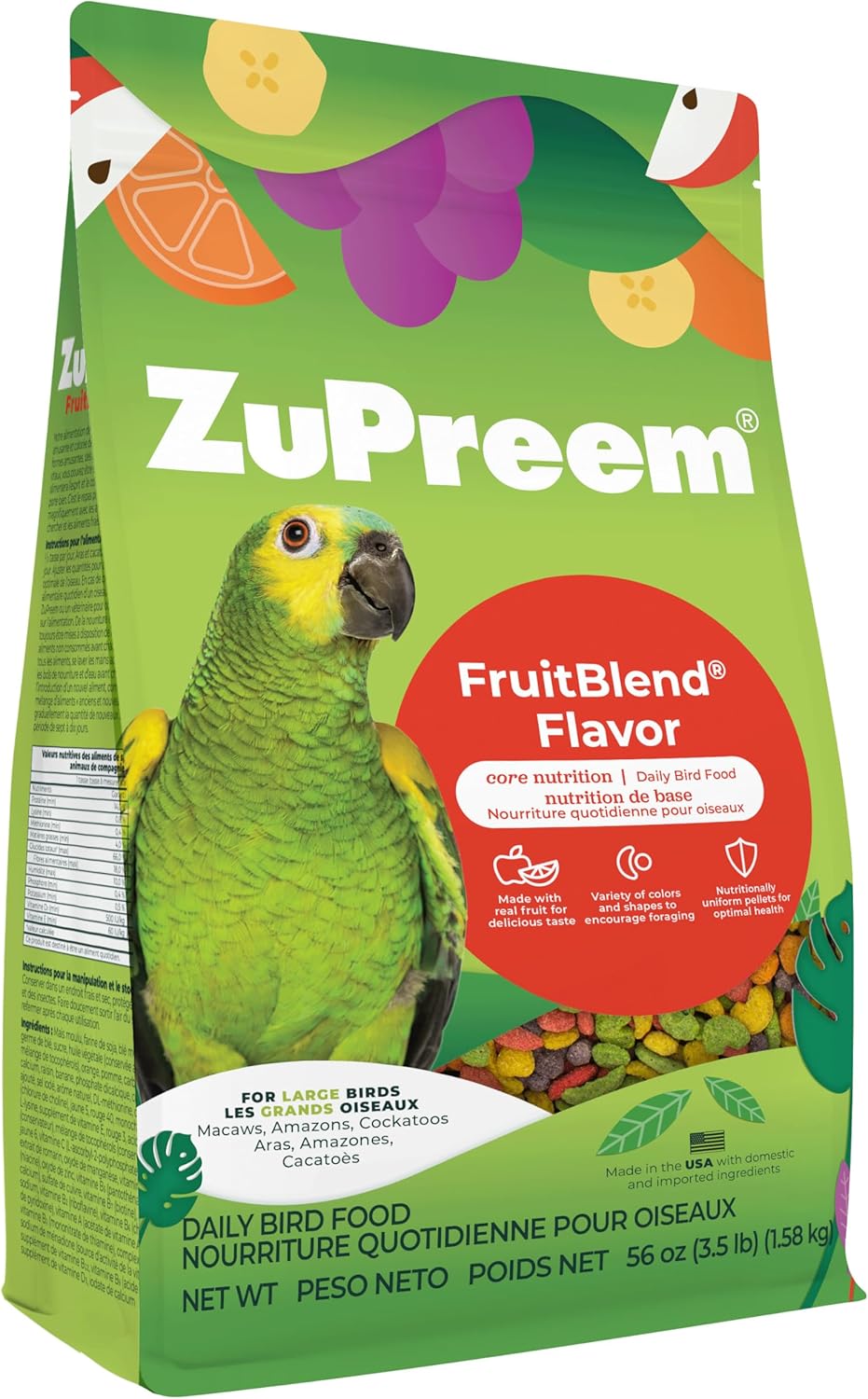
The ZuPreem FruitBlend is formulated for medium to large parrots like Amazons and African Greys, while the Kaytee Forti-Diet options are tailored for conures, lovebirds, and smaller parrots. Matching the pellet size to your bird is essential for encouraging proper eating.
Digestive Health Support: Prebiotics and Probiotics
A healthy gut microbiome is critical for nutrient absorption and overall immunity. Many modern parrot foods add prebiotics and probiotics to support digestive balance. The Kaytee formulas include these additives to promote good gut bacteria.
When choosing the best parrot food for healthy birds, check the label for ingredients like inulin, fructooligosaccharides (FOS), or specific probiotic strains. These can reduce digestive upset and improve feather condition over time.
Omega Fatty Acids for Skin, Feather, and Brain Health
Omega-3 and omega-6 fatty acids are vital for maintaining glossy feathers, healthy skin, and cognitive function. Flaxseed, safflower oil, and fish meal are common sources. Both ZuPreem and Kaytee include these nutrients in their blends.
The Kaytee Forti-Diet Pro Health+Safflower Parrot Food replaces sunflower seeds with safflower and flaxseed, offering a higher quality fat profile. This is especially beneficial for parrots prone to obesity or fatty liver disease.
Palatability and Picky Eaters
Even the most nutritious food is useless if your bird refuses to eat it. Many parrots are naturally seed junkies and may be hesitant to switch to pellets. The best parrot food for healthy birds often includes natural fruit flavors or colorful shapes to entice picky eaters.
ZuPreem FruitBlend’s fruit-shaped pellets with real fruit flavors are designed to stimulate a bird’s senses. The Kaytee Forti-Diet contains superfoods like blueberries and spinach to add variety and taste. Gradual transitioning over 7-10 days is key.
Brand Reputation and Manufacturing Standards
Both ZuPreem and Kaytee are well-established brands with decades of nutritional research behind them. Kaytee has been trusted by pet owners for over 150 years. ZuPreem is a top choice among veterinarians for everyday feeding.
When selecting the best parrot food for healthy birds, choose brands that publish their nutritional analyses and have a history of safety recalls. We have only included products from reputable manufacturers with transparent sourcing.
Cost per Pound and Value for Money
Parrot food is a recurring expense, so value matters. The price range across our 3 picks is $12.95 – $24.29. Larger bags generally offer better cost per pound, but only if your bird can consume them before they go stale.
We do not recommend buying in bulk if you have a single small parrot, as opened bags lose freshness after a few months. Store food in an airtight container in a cool, dry place to maintain nutritional quality.
Why You Should Trust Us
Our recommendations are based on thorough analysis of ingredient labels, nutritional profiles, and verified customer reviews from thousands of owners. We have not physically fed these foods to birds, but we cross-referenced data from avian nutrition experts and veterinary guidelines to ensure each product meets the standards for the best parrot food for healthy birds.
We also considered real-world feedback on palatability, stool quality, and feather condition reported by parrot owners. Our goal is to present objective, evidence-based information so you can make an informed choice for your bird’s health.
Final Thoughts
After comparing all three products, our recommendation for the best parrot food for healthy birds overall is ZuPreem FruitBlend Parrot & Conure Food. It offers a balanced, fruit-infused pellet that appeals to a wide range of parrots and provides essential nutrients for heart, liver, and feather health. The colorful shapes make it especially effective for picky eaters.
For the best value, we recommend Kaytee Forti-Diet Pro Health Nourish+Protect. At a lower price point, it still includes prebiotics, probiotics, and superfoods that support digestive and brain health. It is ideal for conure and lovebird owners who want scientific nutrition without the premium cost.
If your parrot is a seed addict or has specific dietary restrictions, the Kaytee Forti-Diet Pro Health+Safflower Parrot is a smart alternative. By replacing sunflower seeds with safflower, it reduces fat intake while maintaining flavor. This is our top pick for parrots that need a lower-calorie diet without sacrificing taste. For more feeding advice, check out our articles on safe vegetables like squash and zucchini for your bird.
Frequently Asked Questions About Best Parrot Food for Healthy Birds
What is the best parrot food for healthy birds in 2026?
Our top overall pick is the ZuPreem FruitBlend Parrot & Conure Food, which offers balanced nutrition, real fruit flavors, and high customer ratings. It is suitable for most medium to large parrots.
Should I feed my parrot seeds or pellets?
Pellets are generally better than seed-only diets because they provide complete, balanced nutrition without the risk of selective eating. Seeds can be offered as treats but should not make up more than 10-20% of the diet.
How much parrot food should I give my bird each day?
The amount varies by size and activity level. A general guideline is to offer about 10-15% of your bird’s body weight in food daily. Check the feeding chart on the package for specific recommendations.
Can I mix two different brands of parrot food?
Yes, mixing can provide variety, but be careful not to upset the nutritional balance. If you mix, ensure both products are nutritionally complete and you adjust portions to avoid overfeeding.
How do I transition my parrot to a new food?
Gradually mix the new food with the old over 7-10 days, increasing the proportion of new food each day. Some birds may need up to two weeks. Patience is key.
Is organic parrot food necessary for healthy birds?
Organic is not a requirement for health, but it may reduce exposure to pesticides. The most important factor is that the food is nutritionally complete and appropriate for your bird’s species.
What ingredients should I avoid in parrot food?
Avoid foods that list sugar, artificial colors, preservatives like BHA/BHT, or excessive sunflower seeds as primary ingredients. These offer little nutritional value and can lead to obesity.
Can parrots eat human food as part of their diet?
Yes, fresh fruits and vegetables are excellent supplements. However, pellets should form the base. Never feed avocado, chocolate, caffeine, or high-salt foods. Learn more about safe options in our guide to feeding cucumber.
How long does a bag of parrot food stay fresh?
Opened bags stay fresh for about 6 weeks when stored in a cool, dry place. For longer shelf life, transfer to an airtight container. Check the expiration date before purchasing.
Are all parrot foods suitable for all parrot species?
No, different species have different nutritional needs. Larger parrots require more protein and calcium, while smaller ones need higher energy density. Always choose a food formulated for your bird’s size.

Write Your Review
No reviews yet. Be the first to share your experience!